
An Engineer’s Guide to Utilizing 3D Printing for Functional Parts
Introduction to 3D Printing
3D printing, also known as additive manufacturing, has revolutionized the field of engineering. It offers a versatile way to create prototypes, models, and even functional parts. Understanding how to utilize 3D printing effectively is essential for engineers looking to enhance their design and production processes.
In this guide, we'll explore how engineers can leverage 3D printing to create functional parts, focusing on design considerations, material selection, and practical applications.
Design Considerations for 3D Printing
Designing for 3D printing requires a different approach compared to traditional manufacturing methods. Engineers must consider the limitations and capabilities of the technology to optimize their designs.
Understanding Layer-by-Layer Construction
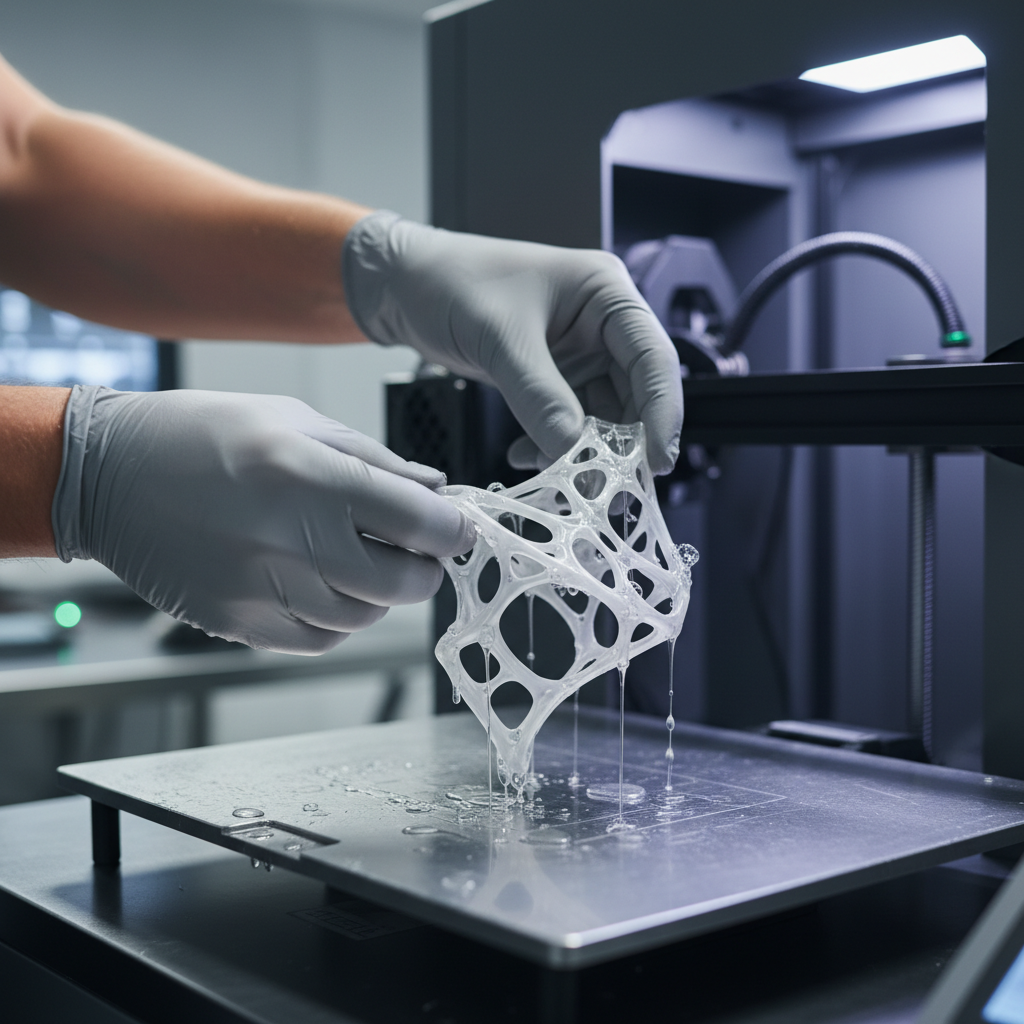
The layer-by-layer construction of 3D printing allows for complex geometries that would be impossible with conventional methods. However, it also requires careful planning to avoid issues such as warping or weak inter-layer bonding. Utilizing software tools designed for 3D printing can help in identifying and correcting potential design flaws.
Importance of Tolerances and Supports
When designing functional parts, precise tolerances are crucial. Engineers must account for the shrinkage and variations that occur during the printing process. Additionally, the use of supports might be necessary to ensure structural integrity, especially for overhanging features.
Material Selection
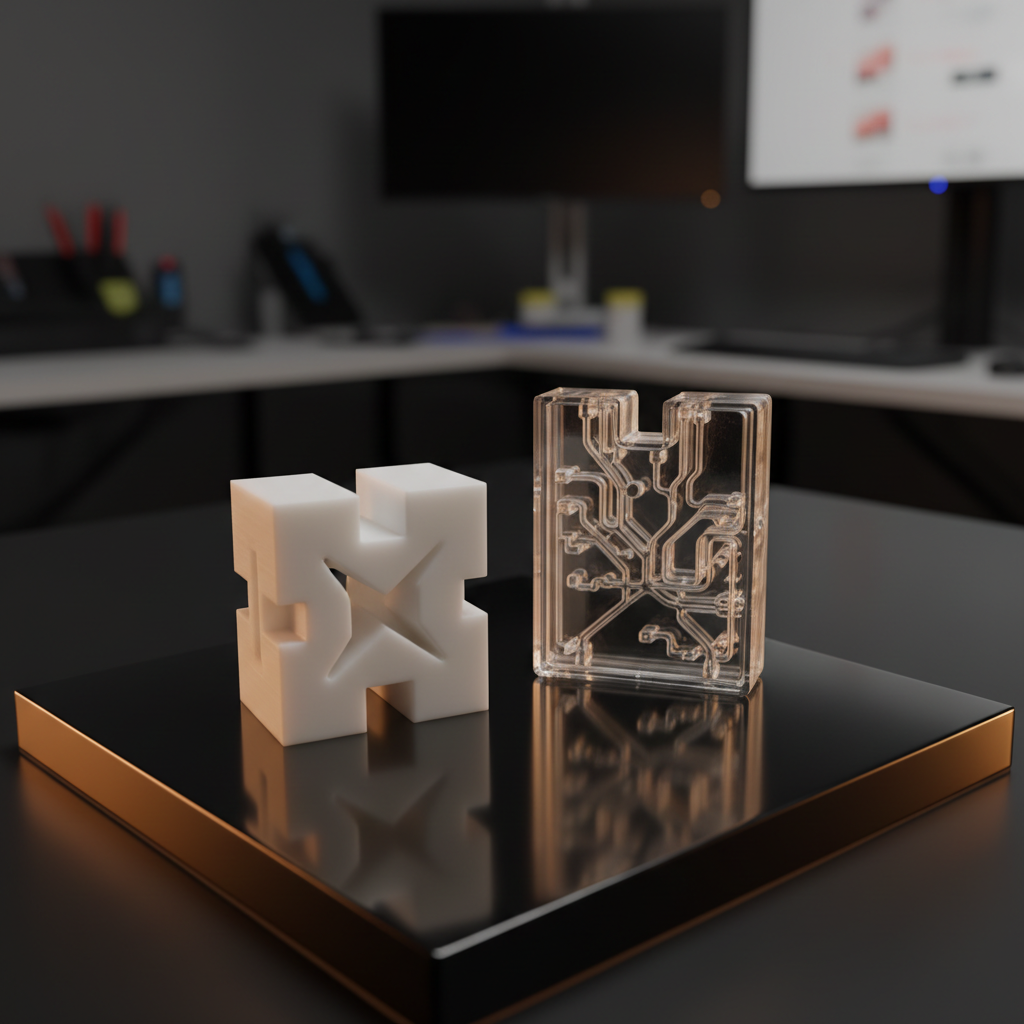
Selecting the right material is vital for the success of a 3D printed functional part. The choice will depend on the part's intended use, required strength, thermal resistance, and other specific properties.
Common Materials Used
Some commonly used 3D printing materials include:
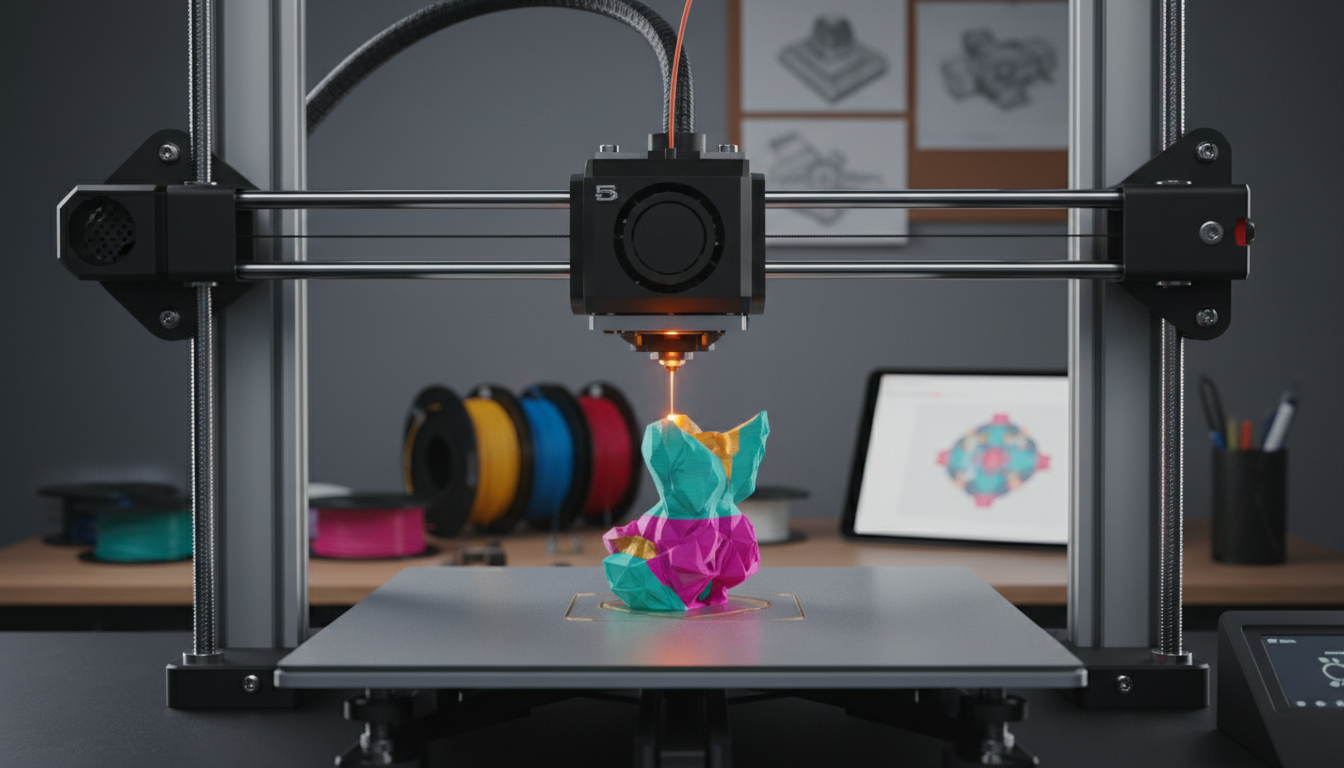
- PLA (Polylactic Acid): Ideal for prototypes and low-stress applications due to its ease of use and biodegradable nature.
- ABS (Acrylonitrile Butadiene Styrene): Known for its toughness and impact resistance, suitable for more demanding applications.
- Metal Filaments: Used for parts that require high strength and thermal resistance, such as aerospace components.
Practical Applications
3D printing is not just for prototypes; it can be used to produce fully functional parts in various industries. Engineers are finding innovative ways to integrate 3D printing into their workflows.
Automotive Industry
In the automotive sector, 3D printing is used to create custom tools, jigs, and fixtures, reducing production time and costs. It also enables the production of lightweight components, contributing to fuel efficiency.
Medical Field
The medical industry benefits from 3D printing by producing custom implants and prosthetics tailored to individual patients. This customization improves patient outcomes and reduces recovery times.
Conclusion
3D printing offers engineers unparalleled flexibility and innovation opportunities. By understanding the design considerations, material options, and practical applications, engineers can effectively utilize this technology to produce functional parts that meet their unique requirements.
Embracing 3D printing can lead to significant advancements in efficiency, customization, and overall product quality, empowering engineers to push the boundaries of what's possible.