
Case Study: Successful 3D Printing Solutions for Local Engineering Firms
Introduction to 3D Printing in Engineering
The rise of 3D printing technology has revolutionized various industries, offering innovative solutions and opportunities. Local engineering firms are increasingly adopting these technologies to enhance their capabilities and deliver customized solutions to clients.
3D printing, also known as additive manufacturing, enables the creation of complex structures with precision and efficiency. This technology has proven to be especially beneficial for engineering firms looking to improve their design processes and reduce production costs.
Case Study: A Local Engineering Firm's Success
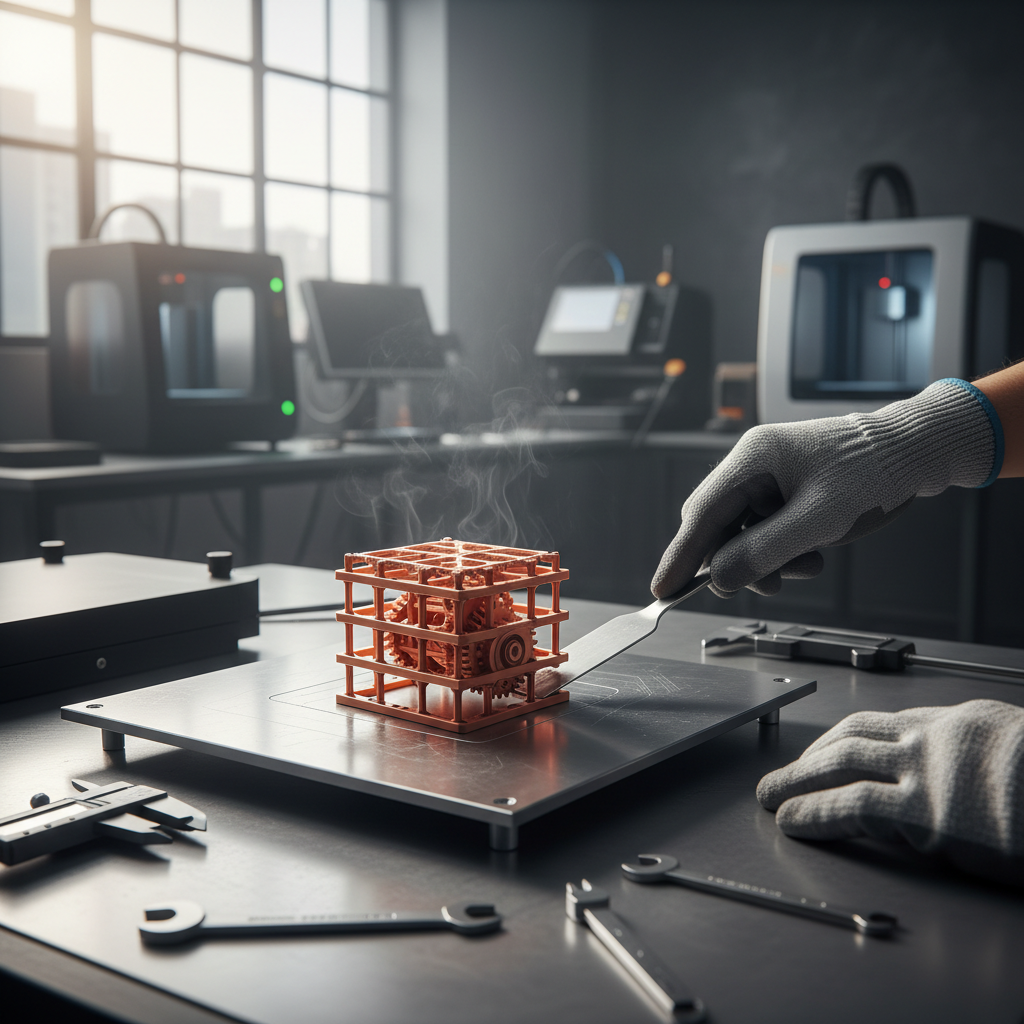
One notable example is a local engineering firm that successfully integrated 3D printing into their workflow. This firm faced challenges with traditional manufacturing methods, which were time-consuming and limited in design flexibility. By adopting 3D printing, they transformed their production process.
The firm utilized 3D printing to create prototypes rapidly, allowing for quick iterations and improvements. This not only reduced the time to market but also enhanced the overall quality of their products.
Implementation and Results
The firm invested in advanced 3D printers and trained their staff to effectively use the new technology. They focused on lightweight materials to create durable and efficient components. As a result, they achieved a 30% reduction in production time and a 20% decrease in material waste.

Benefits of 3D Printing for Engineering Firms
The success of this engineering firm highlights several key benefits of 3D printing:
- Cost Efficiency: Reduced material waste and faster production times lead to significant cost savings.
- Design Flexibility: Engineers can experiment with complex designs that are difficult or impossible to achieve with traditional methods.
- Rapid Prototyping: Quick iterations and adjustments allow for better product development and innovation.
Challenges and Considerations
While 3D printing offers numerous advantages, there are challenges to consider. Initial investment costs and the need for skilled personnel are important factors. Firms must evaluate their specific needs and potential return on investment before fully embracing the technology.
Conclusion
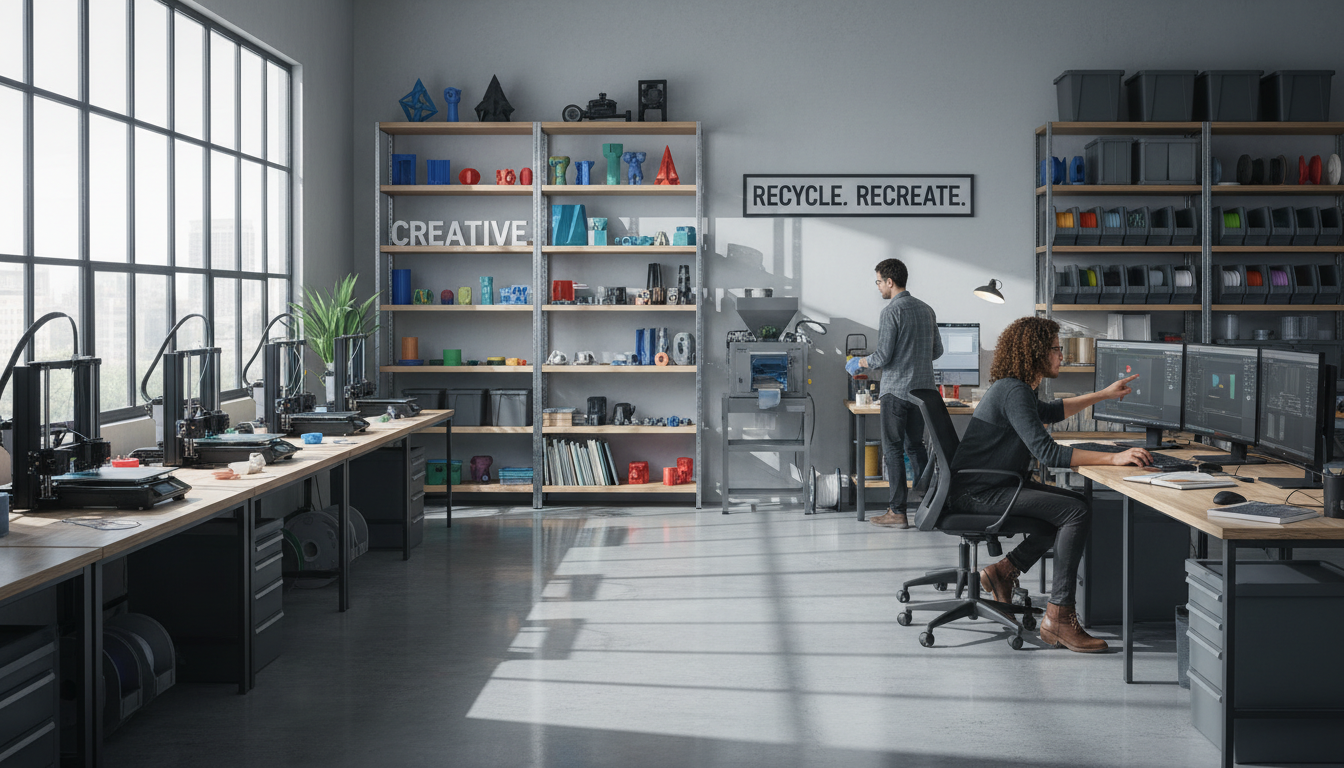
The integration of 3D printing in local engineering firms is proving to be a game-changer. By addressing both the opportunities and challenges, these firms can leverage 3D printing to enhance their capabilities and remain competitive in the market.
As technology continues to evolve, the potential for 3D printing in engineering will only grow, offering exciting possibilities for innovation and efficiency.