
Debunking Common Myths About 3D Printing in Engineering
Introduction to 3D Printing in Engineering
3D printing, also known as additive manufacturing, has revolutionized the engineering industry by offering innovative solutions for design and production. However, despite its growing popularity, many myths persist about its capabilities and applications. In this post, we will debunk some of the most common misconceptions about 3D printing in engineering.
Myth 1: 3D Printing Is Only for Prototypes
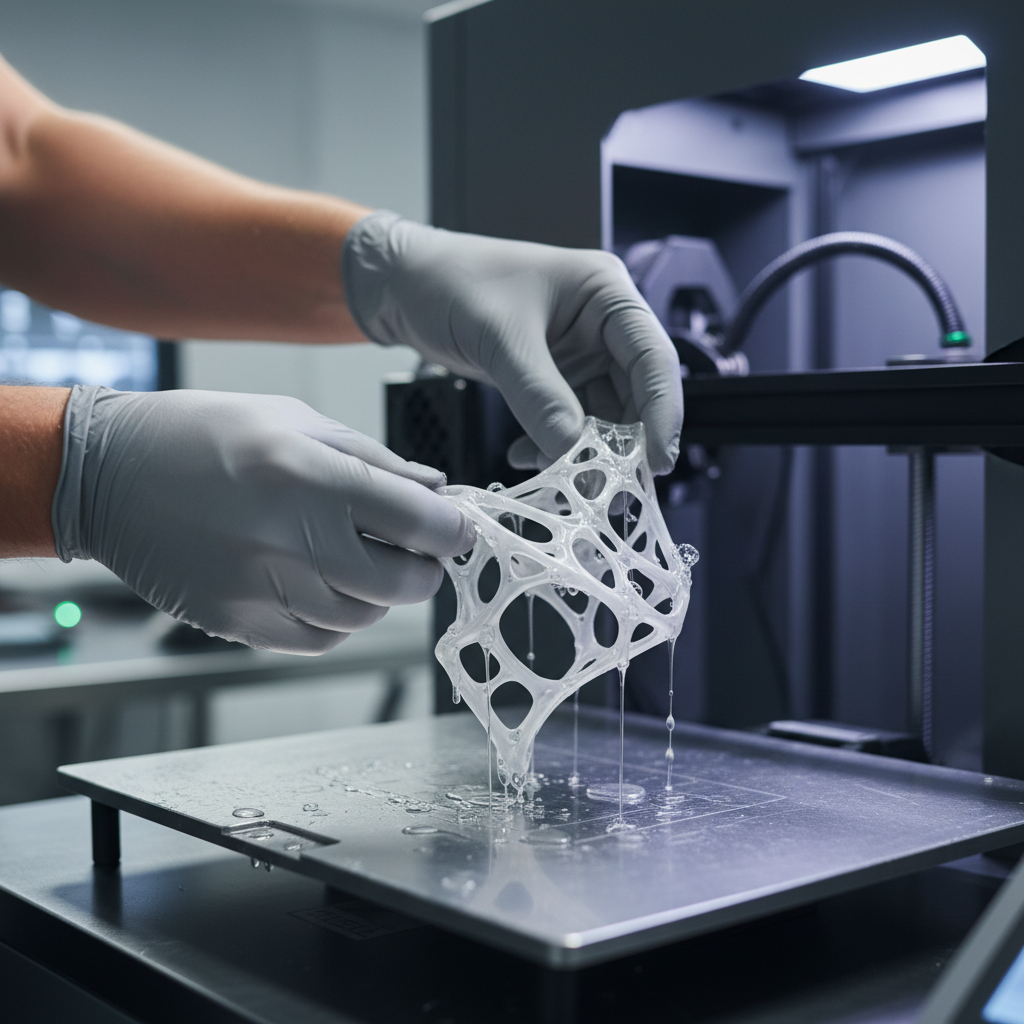
One of the most prevalent myths is that 3D printing is only suitable for creating prototypes. While it is true that 3D printing excels in rapid prototyping, its applications extend far beyond this. Engineers are increasingly using 3D printing for producing end-use parts, custom tools, and even complex assemblies.
For example, aerospace and automotive industries are leveraging 3D printing for manufacturing lightweight components that are both strong and durable. The ability to create intricate designs that are otherwise impossible with traditional methods makes 3D printing a valuable tool for production.
Myth 2: 3D Printing Is Too Expensive
Another common myth is that 3D printing is prohibitively expensive. While the initial investment in a 3D printer might be significant, the cost benefits over time can be substantial. By reducing material waste, minimizing labor costs, and speeding up production times, 3D printing often proves to be more cost-effective in the long run.
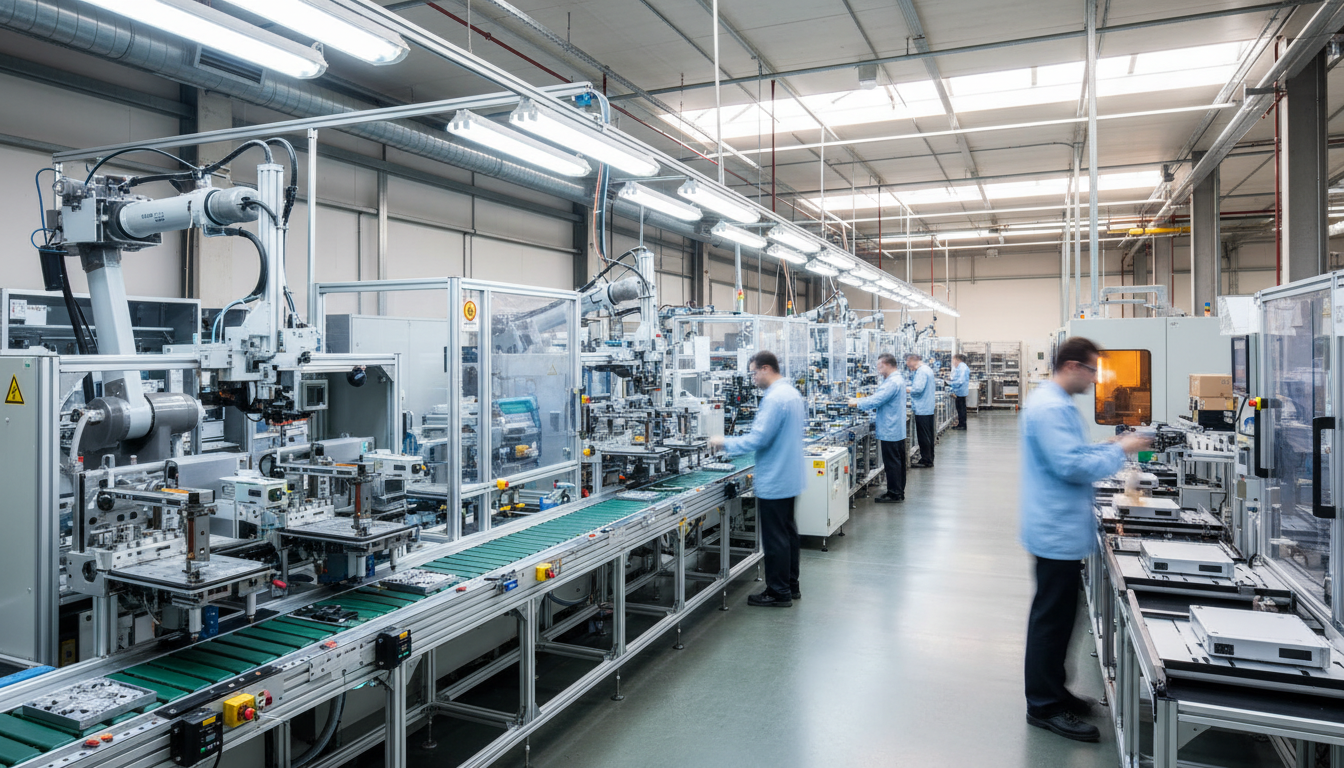
Furthermore, the price of 3D printing technology has been steadily decreasing, making it more accessible for businesses of all sizes. The ability to produce parts on-demand also eliminates the need for large inventories, further reducing costs.
Myth 3: 3D Printed Parts Are Not Durable
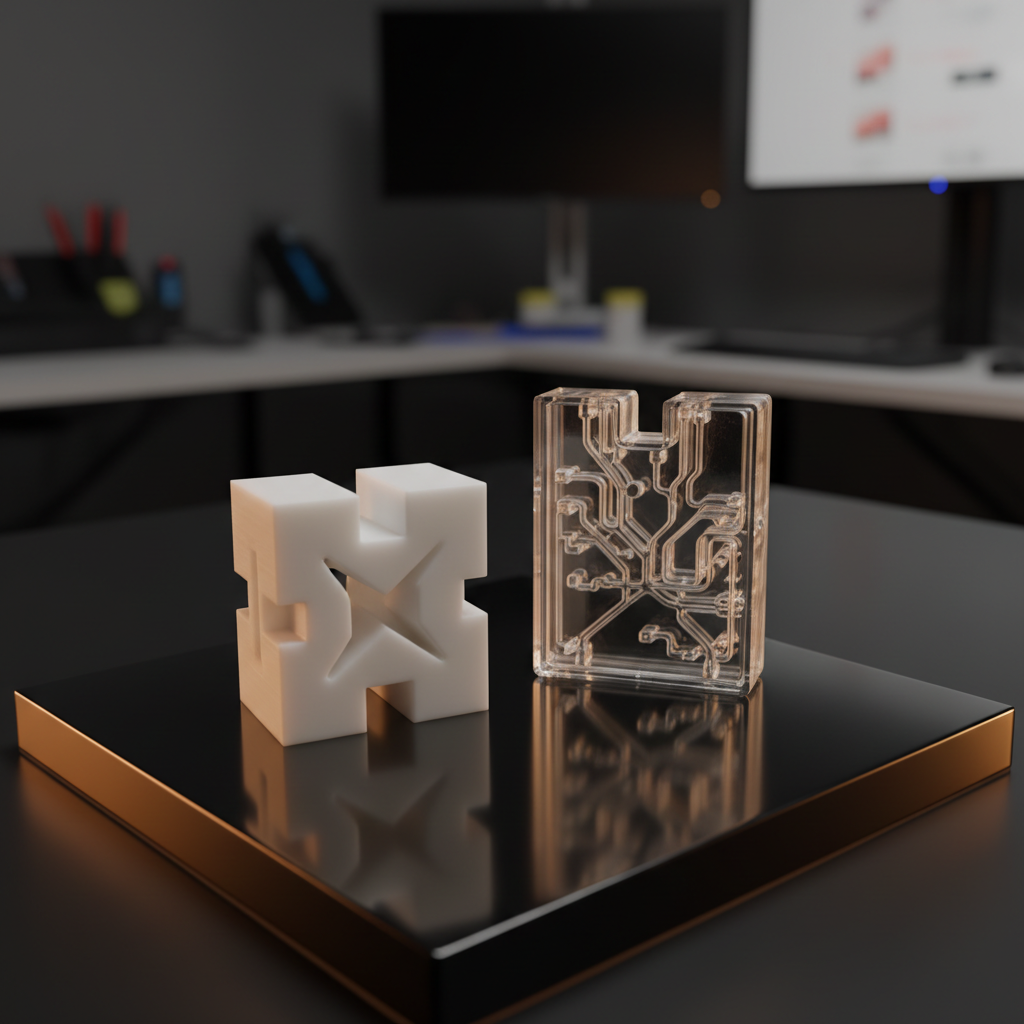
Some believe that 3D printed parts lack the strength and durability of traditionally manufactured components. However, advancements in materials and technology have led to the development of high-strength polymers, metals, and composites that rival, and sometimes even surpass, traditional materials.
Engineers can now choose from a wide range of materials optimized for specific applications, ensuring that the final product meets the required performance standards. This adaptability is one of the key advantages of 3D printing in engineering.
Myth 4: 3D Printing Is Slow
While early 3D printers were indeed slow, modern machines have significantly improved in speed and efficiency. Today's 3D printers can produce complex parts in a matter of hours, which is faster than many traditional manufacturing methods.
Moreover, the ability to print multiple parts simultaneously and the elimination of tooling processes contribute to faster overall production cycles. This efficiency is particularly beneficial in industries that require quick turnarounds and high levels of customization.
Conclusion
3D printing in engineering is a powerful tool that offers numerous benefits, from cost savings to design flexibility. By debunking these common myths, we hope to shed light on the true potential of additive manufacturing and encourage its broader adoption across various industries. As technology continues to advance, the possibilities for 3D printing in engineering will only expand.