
Designing Strong FDM Parts with ABS and PETG: Expert Tips
Understanding FDM and Material Selection
Fused Deposition Modeling (FDM) is a popular 3D printing technique known for its accessibility and versatility. Two commonly used materials in FDM are ABS (Acrylonitrile Butadiene Styrene) and PETG (Polyethylene Terephthalate Glycol). Each material has its own set of properties, making them suitable for different applications.
ABS is renowned for its strength and impact resistance, making it ideal for durable parts. On the other hand, PETG offers excellent toughness and chemical resistance, providing a balance between strength and flexibility. Choosing the right material depends on your specific requirements and desired properties for the final product.
Designing for Strength
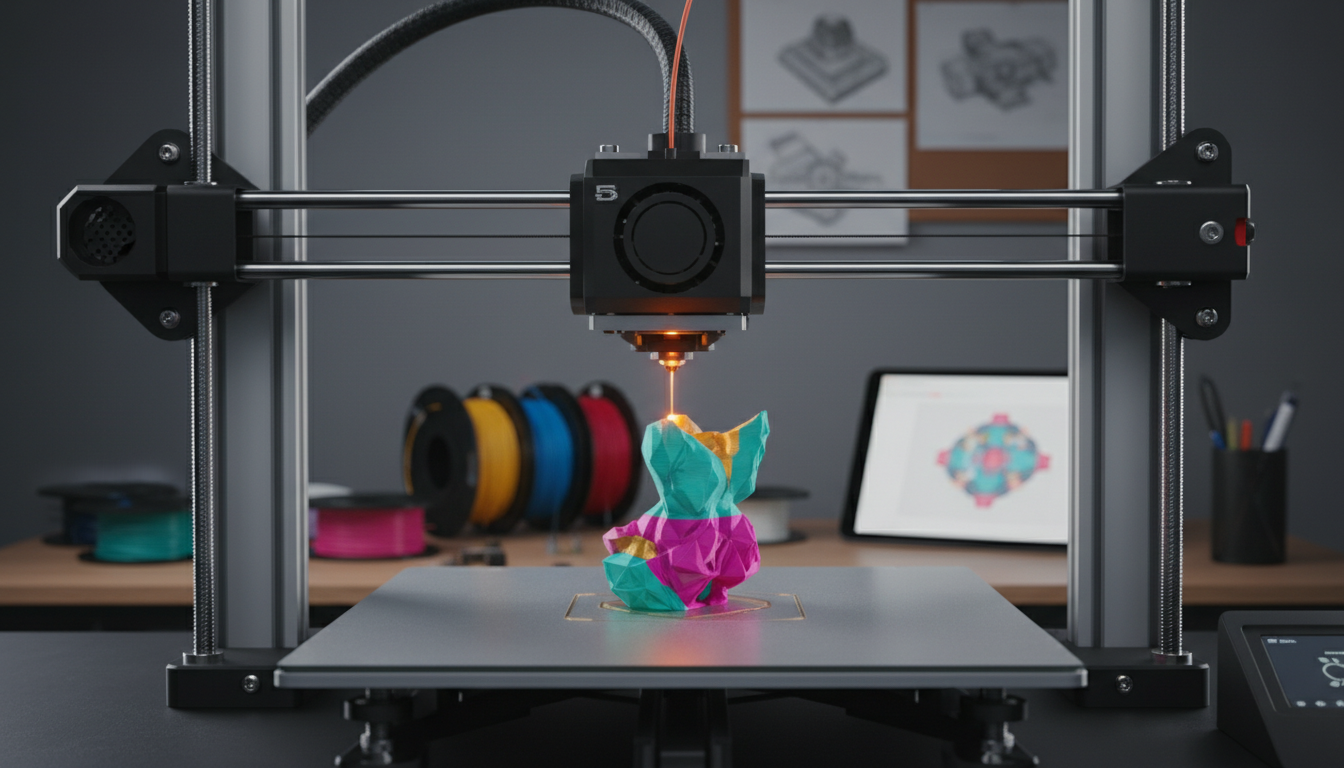
When designing FDM parts, ensuring strength is crucial. Begin by optimizing the design to reduce stress concentrations. Use fillets to smooth out sharp edges and avoid thin walls that can compromise structural integrity. Pay attention to the orientation during printing, as this affects the part's strength.
Layer adhesion is vital in FDM printing. Consider increasing the infill density or using a thicker shell to enhance durability. Implementing a honeycomb or grid pattern can also improve strength without significantly increasing weight.

Print Settings for Optimal Results
Selecting the right print settings is essential for producing strong FDM parts. For ABS, maintain a nozzle temperature between 210-240°C and a heated bed temperature around 80-110°C to prevent warping. PETG requires a slightly lower nozzle temperature, typically between 220-250°C, and a bed temperature of 70-90°C.
Adjusting the print speed can impact the quality and strength of the final product. Slower speeds generally allow for better layer adhesion, resulting in stronger parts. Additionally, ensure proper cooling for PETG to prevent issues like stringing and oozing.
Post-Processing Techniques
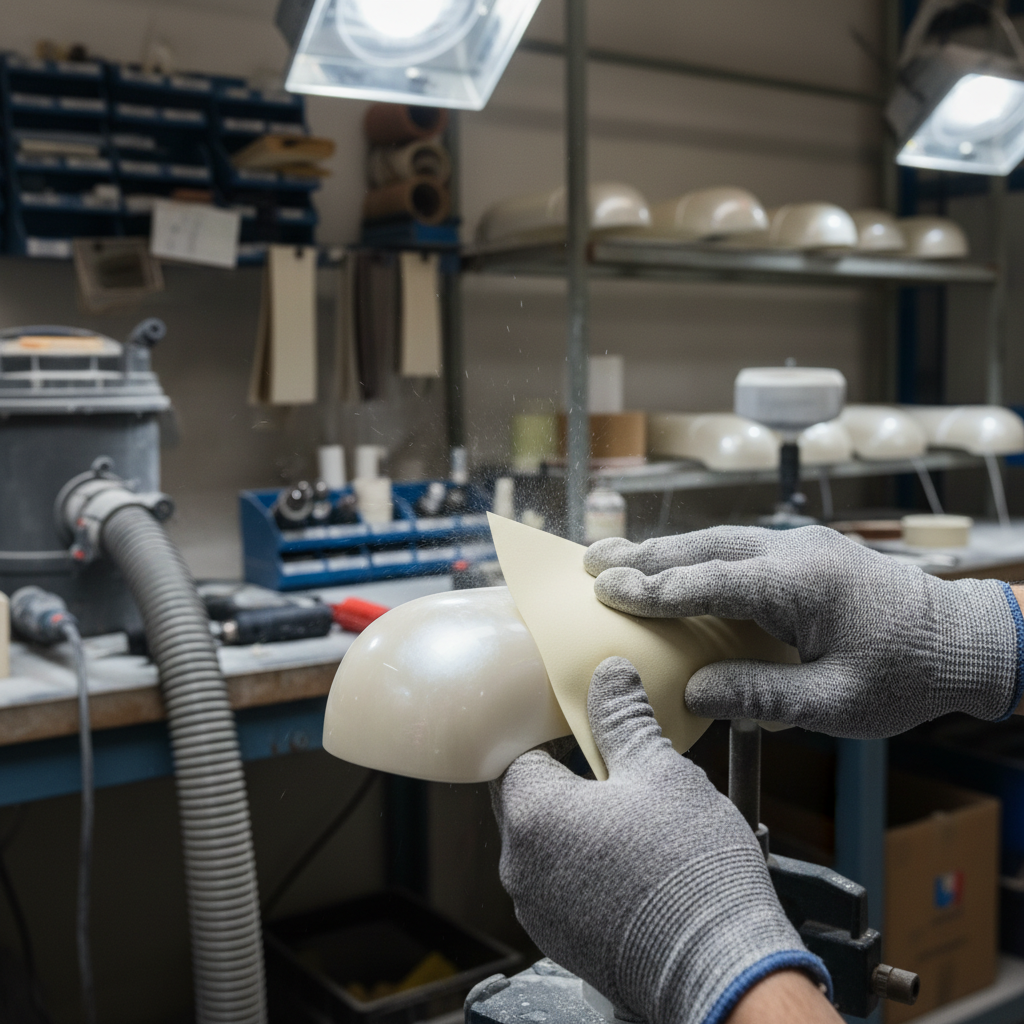
Post-processing can significantly enhance the strength and appearance of your FDM parts. For ABS, acetone vapor smoothing is a popular method to improve surface finish and layer adhesion. This process involves exposing the printed part to acetone vapors, which melt the surface slightly, creating a smoother finish.
PETG parts can benefit from annealing, a process of heating the material to a specific temperature and allowing it to cool slowly. This enhances the crystallinity of the material, boosting its strength and thermal resistance. Properly executed, annealing can improve both the mechanical properties and longevity of PETG parts.
Overcoming Common Challenges
Both ABS and PETG have their challenges in FDM printing. ABS is prone to warping due to its high thermal expansion. To mitigate this, ensure your printer is enclosed or use a heated chamber. PETG, while less prone to warping, can suffer from adhesion issues. Applying a suitable adhesive or using a PEI sheet can improve bed adhesion for PETG parts.
Troubleshooting these issues early on can save time and materials, ensuring your final product meets the desired specifications.

Conclusion
Designing strong FDM parts with ABS and PETG involves careful consideration of material properties, design principles, and print settings. By following these expert tips, you can enhance the durability and performance of your 3D printed parts. Whether you're creating prototypes or functional components, understanding these factors will help you achieve optimal results.