
Exploring Low Volume 3D Printing: A Cost-Effective Alternative to Injection Molding
Understanding Low Volume 3D Printing
In recent years, 3D printing has emerged as a revolutionary technology in manufacturing, offering a flexible and efficient alternative to traditional methods. When it comes to low volume production, 3D printing stands out as a particularly cost-effective solution. Unlike injection molding, which requires expensive molds and is typically suited for large-scale production, 3D printing can produce small batches without the high upfront costs.
This capability makes 3D printing an attractive option for startups and small businesses looking to prototype or produce limited quantities of a product quickly and affordably. Let's delve deeper into the advantages of low volume 3D printing and how it compares to injection molding.
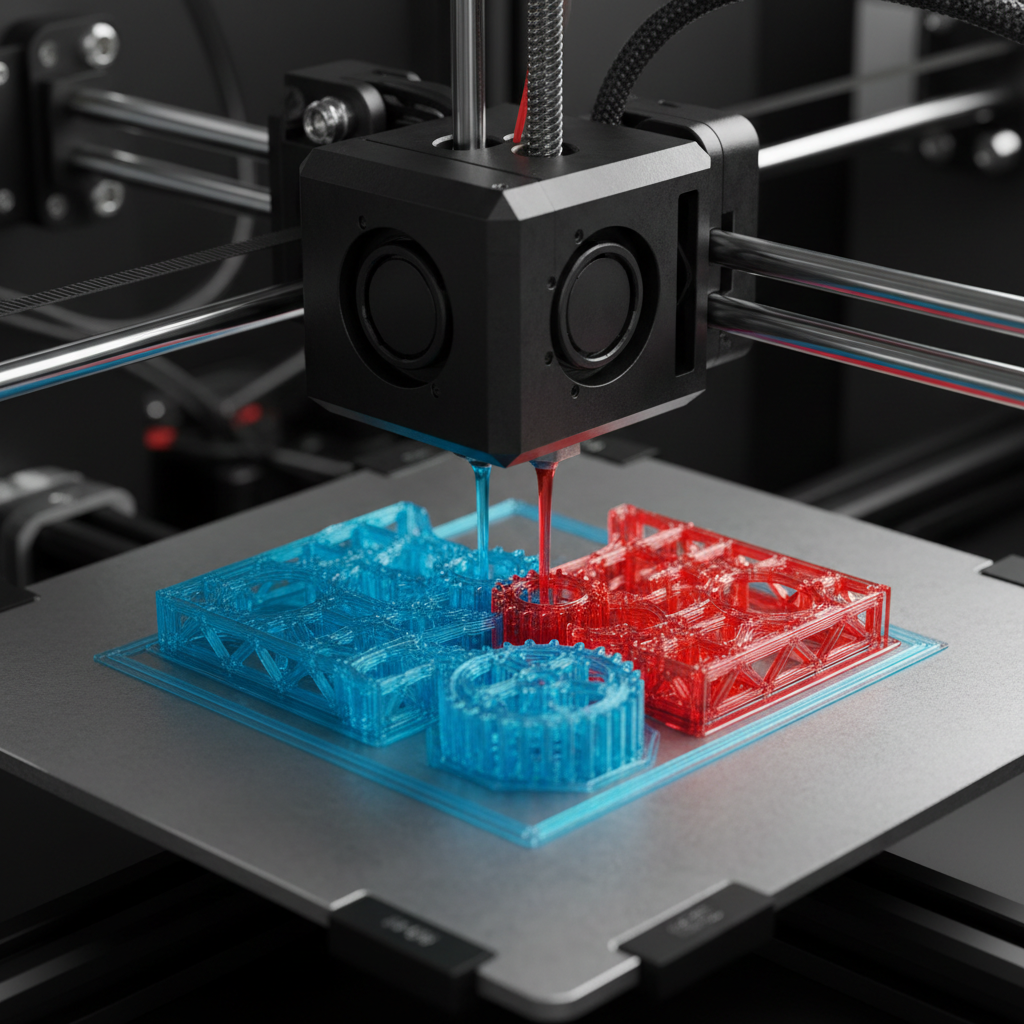
The Advantages of 3D Printing for Low Volume Production
One of the main benefits of 3D printing is its design flexibility. With 3D printing, manufacturers can easily alter designs without the need for costly retooling. This is especially beneficial for industries that require frequent updates or customizations.
Moreover, 3D printing reduces lead times significantly. Traditional manufacturing processes can take weeks or even months to set up, especially when creating new molds. In contrast, 3D printing can turn digital designs into physical objects in a matter of hours or days.

Cost Considerations: 3D Printing vs. Injection Molding
While injection molding is efficient for large-scale production, its initial setup costs can be prohibitive for smaller runs. The cost of creating a single mold can range from thousands to tens of thousands of dollars, depending on complexity. On the other hand, 3D printing requires no such molds, making it a more economical choice for low volume production.
The materials used in 3D printing also contribute to cost savings. With a wide variety of materials available—from plastics to metals—manufacturers can choose the most suitable option for their needs without breaking the bank. Additionally, 3D printing minimizes waste, using only the material necessary to create the object, further enhancing its cost-effectiveness.
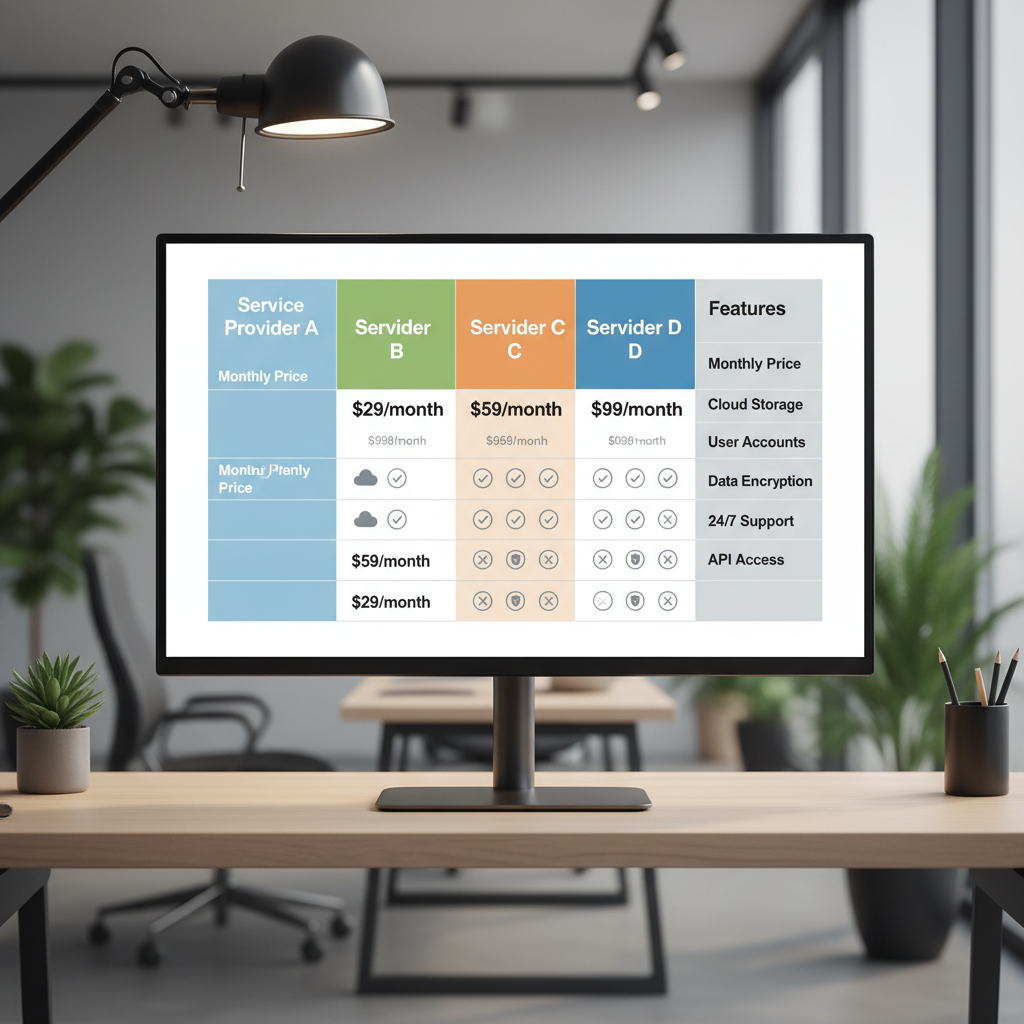
Applications of Low Volume 3D Printing
Low volume 3D printing is ideal for rapid prototyping, allowing designers and engineers to test and refine products before full-scale production. This is crucial in industries such as automotive, aerospace, and healthcare, where precision and reliability are paramount.
Beyond prototyping, 3D printing is also used for producing end-use parts. Companies can manufacture spare parts, custom components, and even limited-edition items, responding swiftly to market demands without the constraints of traditional manufacturing pipelines.

The Future of Low Volume Manufacturing
As technology advances, the capabilities of 3D printing continue to expand. Innovations in materials and printing techniques are making it possible to create stronger, more durable products at a lower cost. This trend indicates a promising future where low volume 3D printing could replace traditional methods in even more applications.
In conclusion, for businesses seeking a flexible, efficient, and cost-effective manufacturing solution, low volume 3D printing offers a compelling alternative to injection molding. By embracing this technology, companies can enhance their production processes, reduce costs, and maintain a competitive edge in an ever-evolving market.