
Exploring the Latest Trends in SLS 3D Printing for Engineering Applications
Introduction to SLS 3D Printing
Selective Laser Sintering (SLS) 3D printing is revolutionizing the engineering landscape. By using a laser to sinter powdered material, SLS creates complex, durable parts without the need for support structures. This technology is gaining traction due to its versatility and efficiency.
Advantages of SLS in Engineering
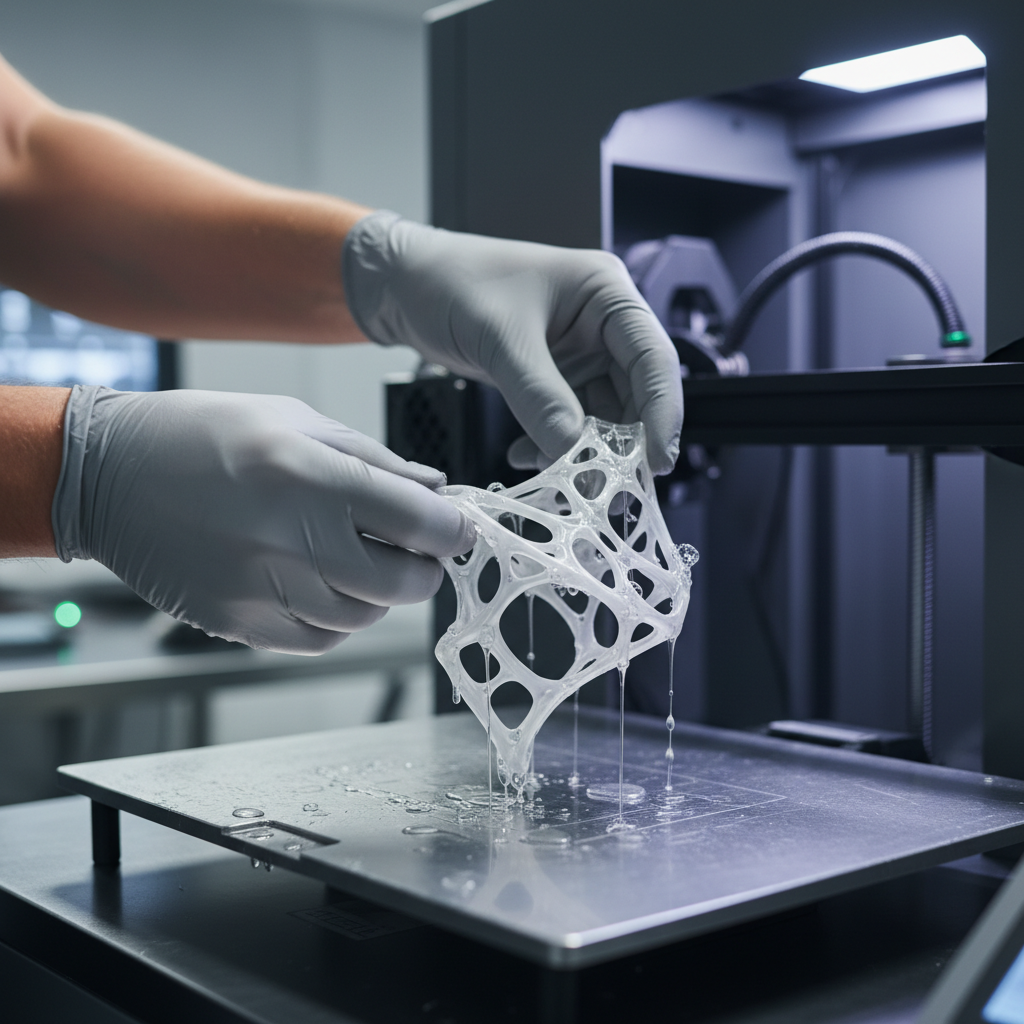
One of the most significant benefits of SLS 3D printing is its ability to produce highly detailed and strong components. Engineers appreciate the freedom to design intricate geometries that would be impossible with traditional manufacturing methods.
Additionally, SLS is ideal for producing functional prototypes and end-use parts. This reduces the time and cost associated with tooling, making it a cost-effective solution for small to medium batch production.
Material Innovations
The range of materials available for SLS 3D printing is expanding rapidly. From nylon composites to metal powders, engineers have a wide array of choices that can meet specific structural and thermal requirements.
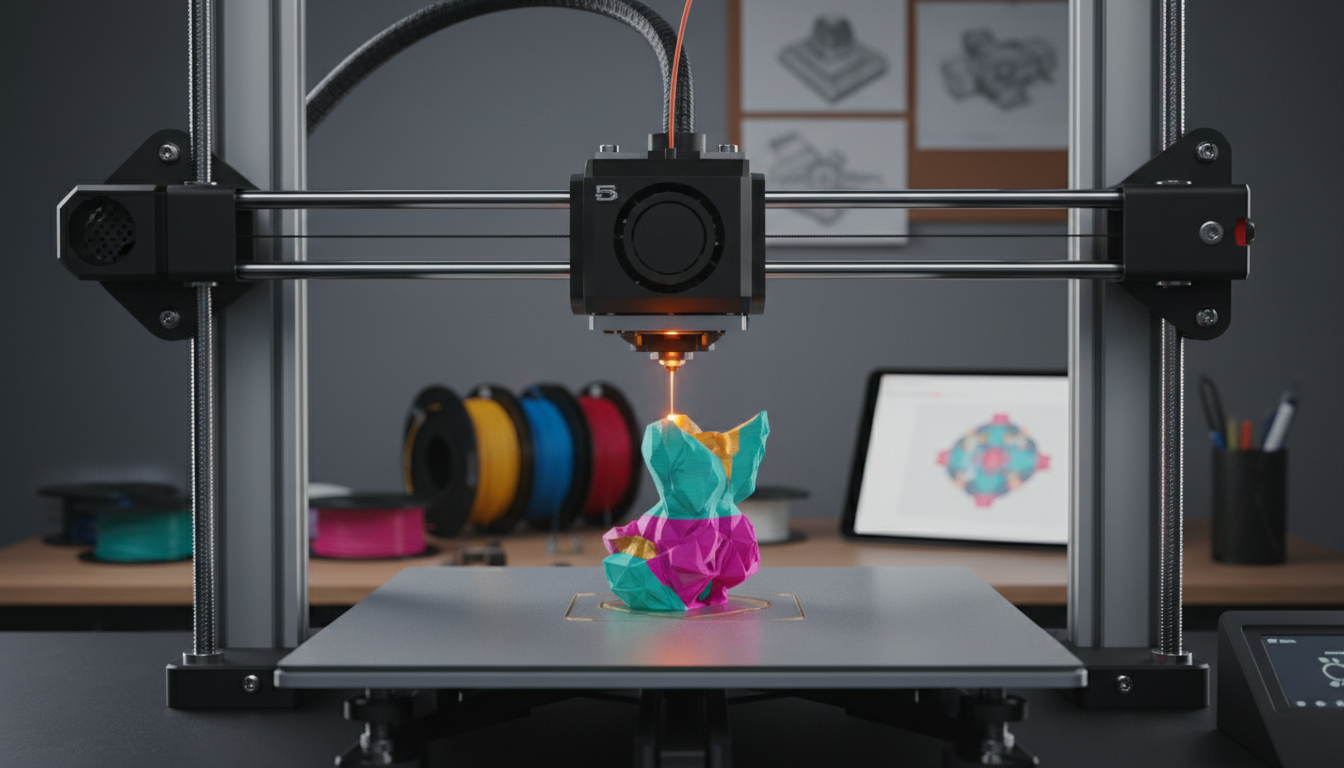
These innovations not only enhance the physical properties of the final products but also open new possibilities in applications such as aerospace, automotive, and healthcare.
Software and Design Advancements
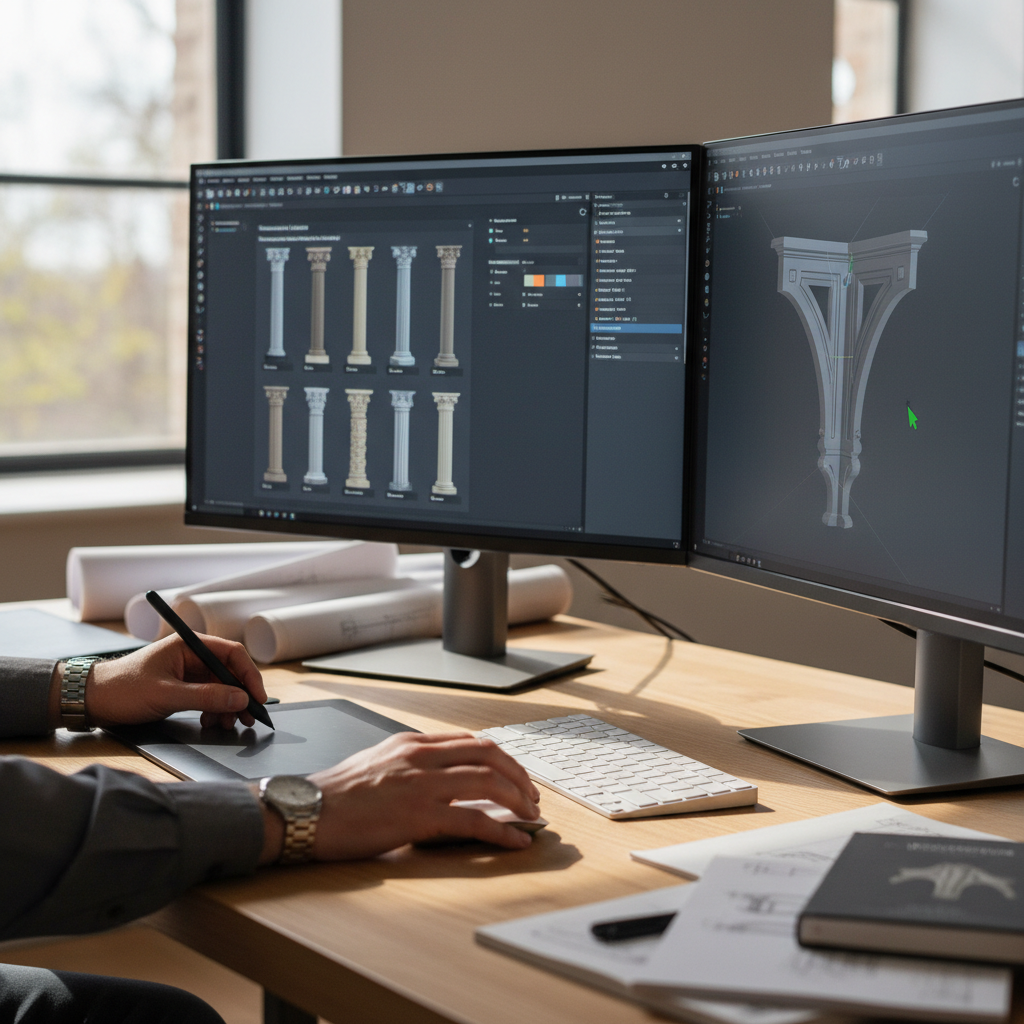
With advancements in software, the design process for SLS 3D printing has become more intuitive and efficient. Engineers can now simulate the performance of parts under various conditions, ensuring optimal functionality and reliability.
- Simulation Tools: Predict and analyze the behavior of components.
- Design Optimization: Improve performance while reducing material use.
- User-Friendly Interfaces: Streamlined workflows for enhanced productivity.
Applications in Various Industries
SLS 3D printing is making waves across multiple sectors. In the aerospace industry, it allows for lightweight yet robust components. The automotive sector benefits from rapid prototyping and custom part production. Meanwhile, in healthcare, SLS is used for creating patient-specific implants and surgical tools.
Challenges and Considerations
Despite its many advantages, SLS 3D printing comes with its own set of challenges. The initial setup cost can be high, and there is a learning curve associated with mastering the technology. Additionally, post-processing can be labor-intensive, requiring careful attention to detail.

The Future of SLS 3D Printing
The future of SLS 3D printing in engineering looks promising. As technology continues to evolve, we can expect further advancements in speed, material range, and precision. These improvements will likely lead to even broader adoption across various sectors.
By staying informed about these trends, engineers can harness the full potential of SLS 3D printing, driving innovation and efficiency in their projects.