
From Prototype to Production: Success Stories in SLS 3D Printing
Introduction to SLS 3D Printing
Selective Laser Sintering (SLS) 3D printing has revolutionized the way we approach manufacturing, allowing for rapid prototyping and production with remarkable precision. This technology enables the creation of complex geometries that are often impossible to achieve with traditional methods. Through the combination of laser technology and powdered materials, SLS offers an innovative pathway from prototype to production.
The Benefits of SLS 3D Printing
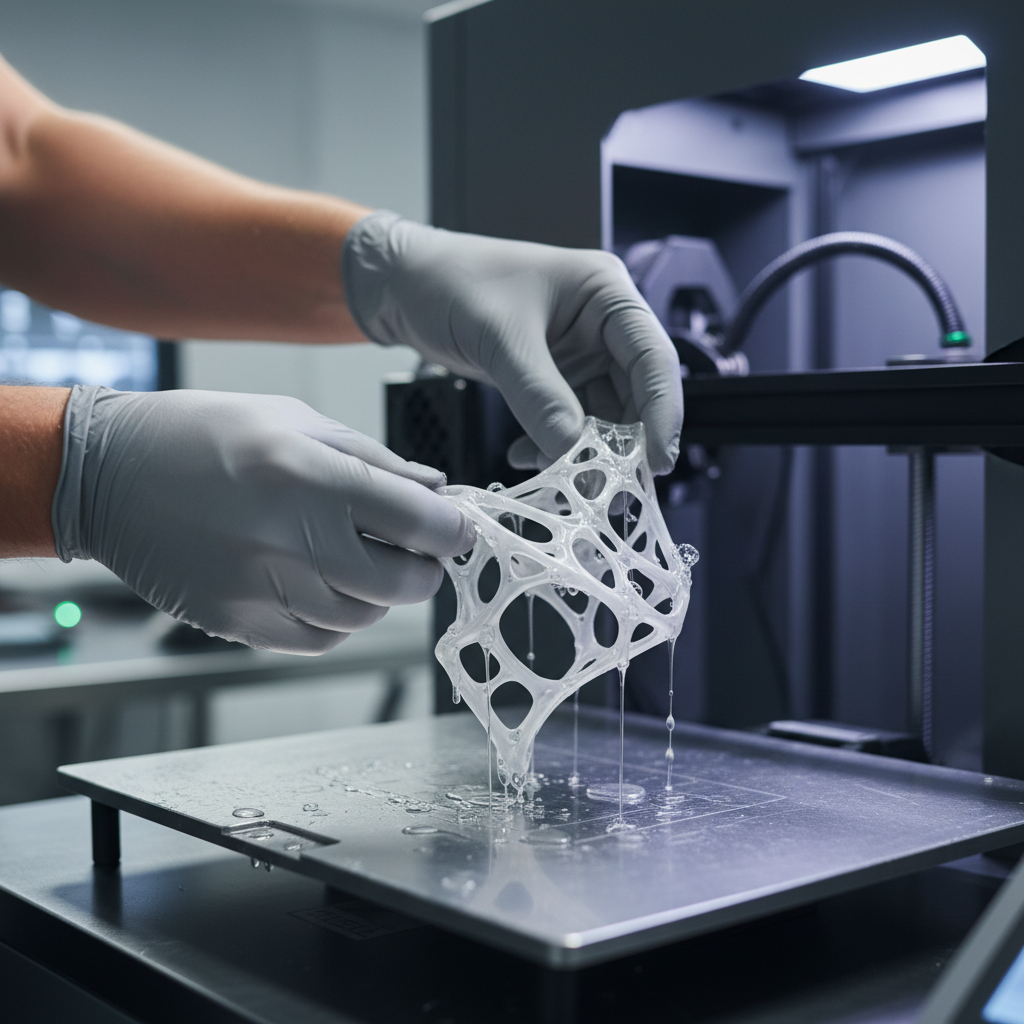
SLS 3D printing provides several key advantages. First, it eliminates the need for support structures, which simplifies the post-processing stage. Furthermore, SLS is ideal for small production runs, making it cost-effective for businesses looking to test and iterate designs quickly. The ability to use a wide range of materials, including nylon, glass, and metals, enhances its versatility in different industries.
Moreover, SLS printing is renowned for its *high durability* and *mechanical strength*, making it suitable for functional prototypes and end-use parts. As the technology continues to evolve, businesses are finding more applications and success stories in this innovative field.
Automotive Industry Innovations
One of the primary industries benefiting from SLS 3D printing is the automotive sector. Companies are leveraging this technology to produce lightweight components that enhance vehicle performance. For example, car manufacturers are using SLS to create intricate parts such as engine components and customized interiors, which are both lightweight and strong.
Case Study: Customized Car Interiors
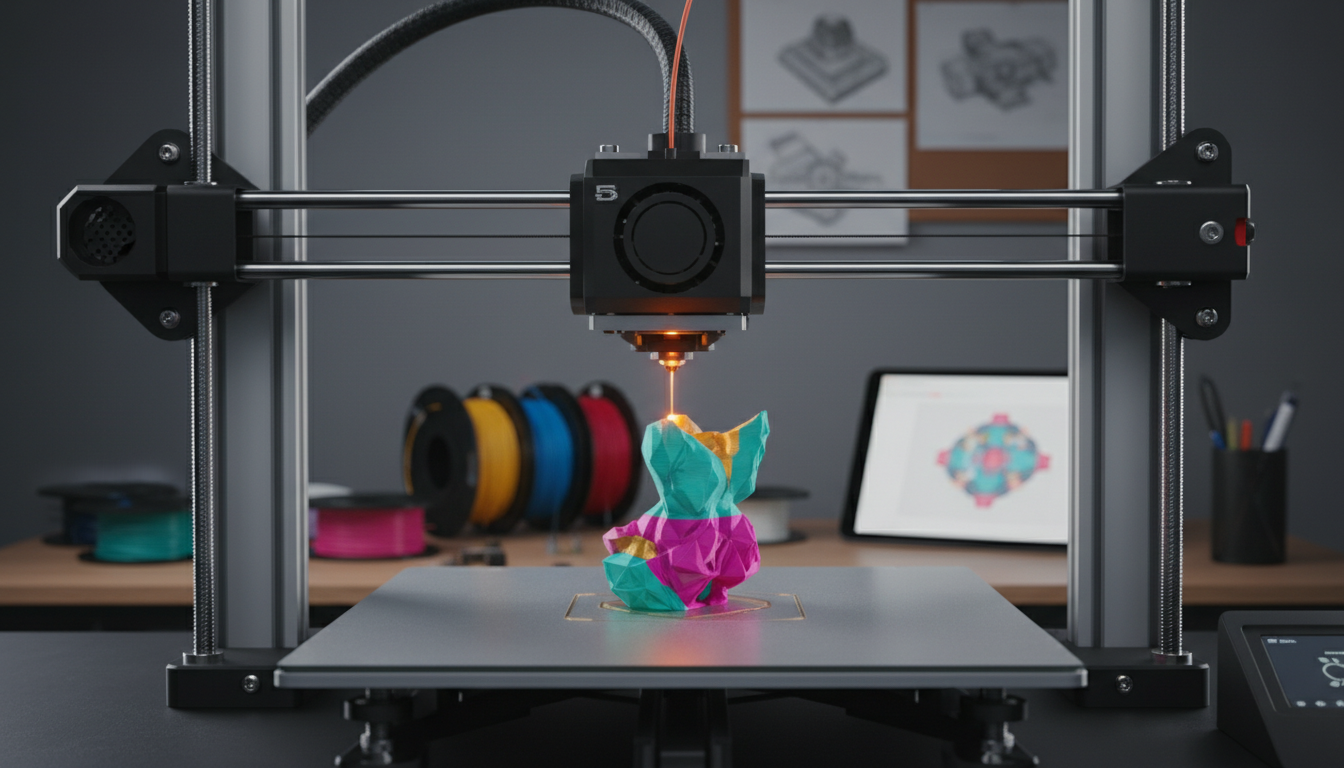
A notable success story in the automotive industry involves a company that used SLS printing to develop customized car interiors. By doing so, they were able to reduce material waste and tailor the designs to individual customer preferences, all while maintaining high performance and aesthetics. This approach significantly cut down production time and costs.
Medical Advancements Through SLS Printing
The medical field has also seen significant advancements thanks to SLS 3D printing. From prosthetics to surgical tools, this technology allows for the creation of patient-specific solutions that improve outcomes and provide better comfort and functionality. SLS is particularly beneficial for producing complex, organic shapes required in medical applications.
Prosthetics That Change Lives
One inspiring example is the production of custom prosthetic limbs. Using SLS, manufacturers can produce lightweight, personalized prosthetics that fit the unique anatomy of each patient. This customization not only enhances comfort but also boosts the confidence and mobility of the users.
Aerospace Applications
The aerospace industry is another field where SLS 3D printing is making waves. The ability to produce lightweight yet robust components is crucial for aircraft and spacecraft. SLS technology is utilized to create parts like ducting systems and brackets, which require high precision and strength.
Aircraft manufacturers are now able to prototype faster and switch to production seamlessly, reducing the time from design to market. This efficiency is critical in an industry that demands innovation and speed.
Environmental Impact
Beyond performance, SLS 3D printing also contributes to sustainability. By minimizing material waste and optimizing designs for efficiency, this technology supports eco-friendly manufacturing practices. Companies are increasingly focused on reducing their carbon footprint, and SLS provides the tools to achieve these goals without compromising on quality.
Conclusion
SLS 3D printing continues to transform industries by providing a flexible, efficient, and sustainable approach to manufacturing. From automotive innovations to life-changing medical solutions, the path from prototype to production is becoming more streamlined and impactful. As technology advances, we can expect even more exciting developments and success stories in the realm of SLS 3D printing.