
From Prototype to Production: The Journey of SLS 3D Printed Parts
The Evolution of SLS 3D Printing
Selective Laser Sintering (SLS) 3D printing has redefined how we approach manufacturing, offering a seamless transition from prototype to production. This versatile technology allows for the creation of complex geometries and detailed designs that were once impossible to achieve with traditional methods.
At its core, SLS technology uses a laser to sinter powdered material, typically nylon or polyamide, layer by layer. This process results in parts that are not only robust but also lightweight, making them ideal for various applications, from aerospace to consumer goods.
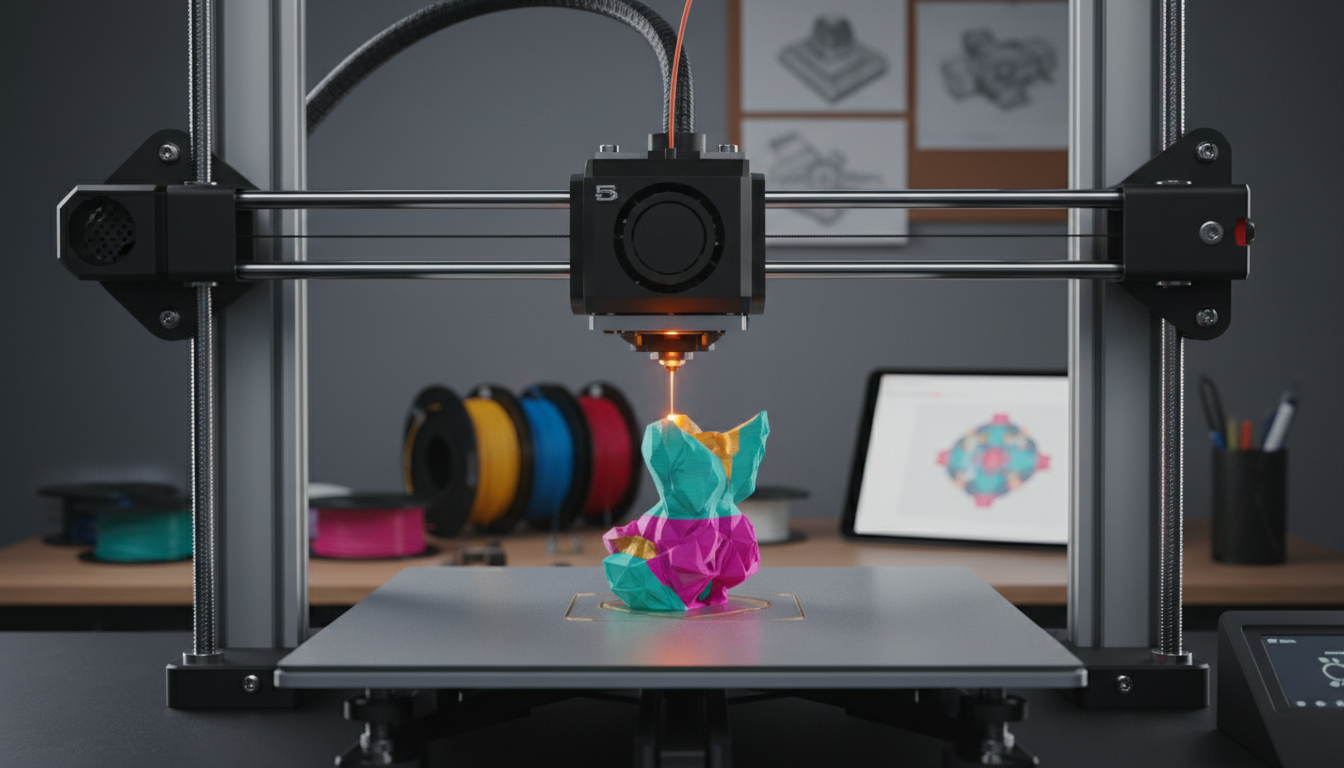
From Concept to Prototype
In the initial stages of product development, creating a prototype is essential. SLS 3D printing excels in this area, allowing designers and engineers to quickly iterate and refine their designs. The ability to produce functional prototypes in-house reduces lead times and costs significantly.
With SLS, there's no need for tooling, which can be a major expense in traditional manufacturing. This advantage empowers startups and small businesses to compete with larger companies by bringing innovative products to market faster.
Material Selection and Testing
Choosing the right material is crucial in the journey from prototype to production. SLS offers a wide range of materials, each with specific properties that cater to different needs. Common materials include nylon 12 for its durability and flexibility, and glass-filled nylon for increased strength.
Once a prototype is created, it undergoes rigorous testing to ensure it meets all required specifications and standards. This phase is vital to identify any potential issues before moving to mass production.
Scaling Up for Production
After successful prototyping and testing, the next step is scaling up for production. SLS 3D printing shines here due to its ability to produce consistent parts with high precision. The technology allows for batch production, which is ideal for small to medium-sized runs.
Unlike other 3D printing methods, SLS does not require support structures, which means more efficient use of material and reduced post-processing time. This efficiency is a key factor in its growing popularity for production purposes.
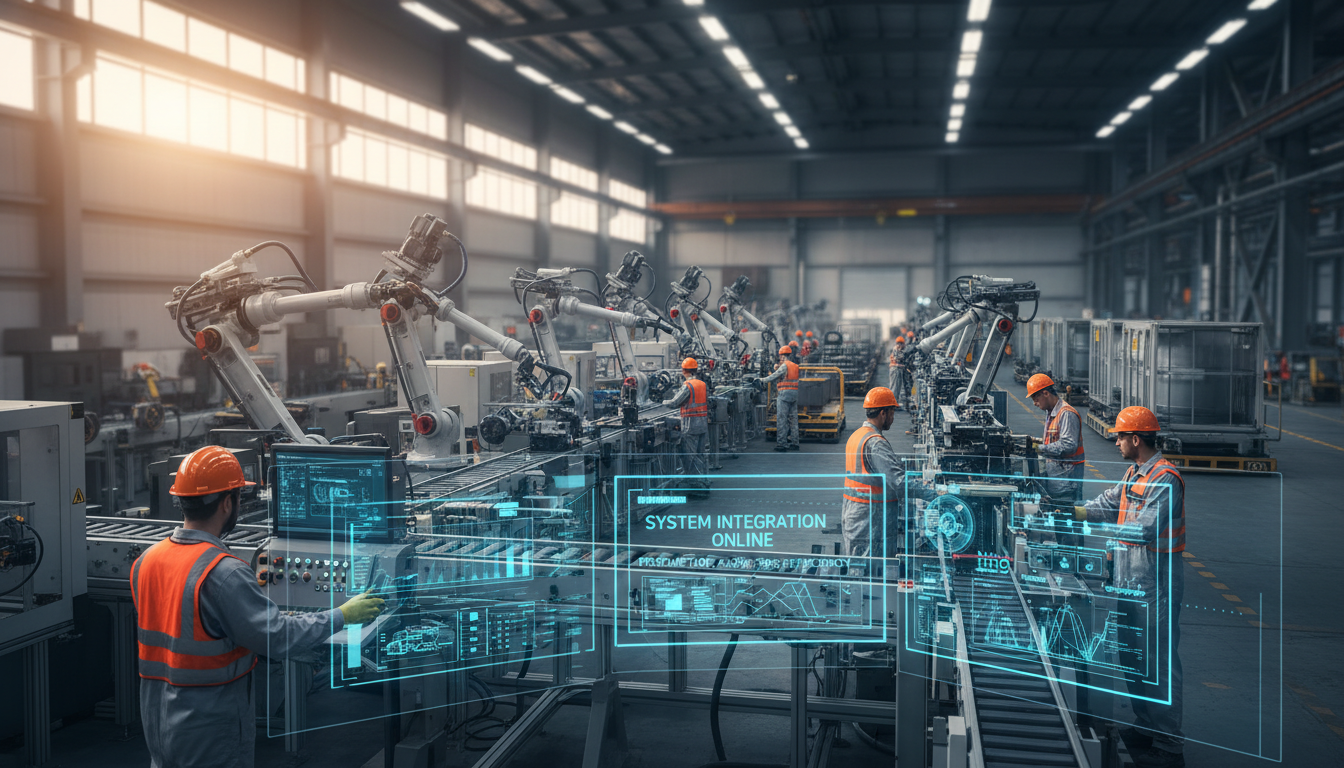
Quality Assurance and Post-Processing
Quality assurance is a critical component in the production process. Each part must be meticulously inspected to ensure it meets the highest standards. SLS parts typically undergo post-processing such as bead blasting or dyeing to enhance their appearance and functionality.
Post-processing not only improves the aesthetic appeal of the parts but also adds an extra layer of protection, extending the lifespan of the final product.
The Future of SLS in Manufacturing
As SLS technology continues to evolve, its impact on the manufacturing industry will only grow. Innovations in materials and processes are paving the way for even more applications, pushing the boundaries of what is possible with 3D printing.
Businesses that embrace SLS technology are better positioned to innovate, reduce costs, and increase product quality. As the journey from prototype to production becomes more streamlined, the possibilities for design and manufacturing are limitless.