
How SLS 3D Printing Transforms Product Development for Engineers
Understanding SLS 3D Printing
Selective Laser Sintering (SLS) 3D printing is revolutionizing the way engineers approach product development. This innovative technology uses a laser to fuse powdered materials, layer by layer, into complex structures. Unlike traditional methods, SLS allows for the creation of intricate designs without the need for support structures, significantly reducing material waste.
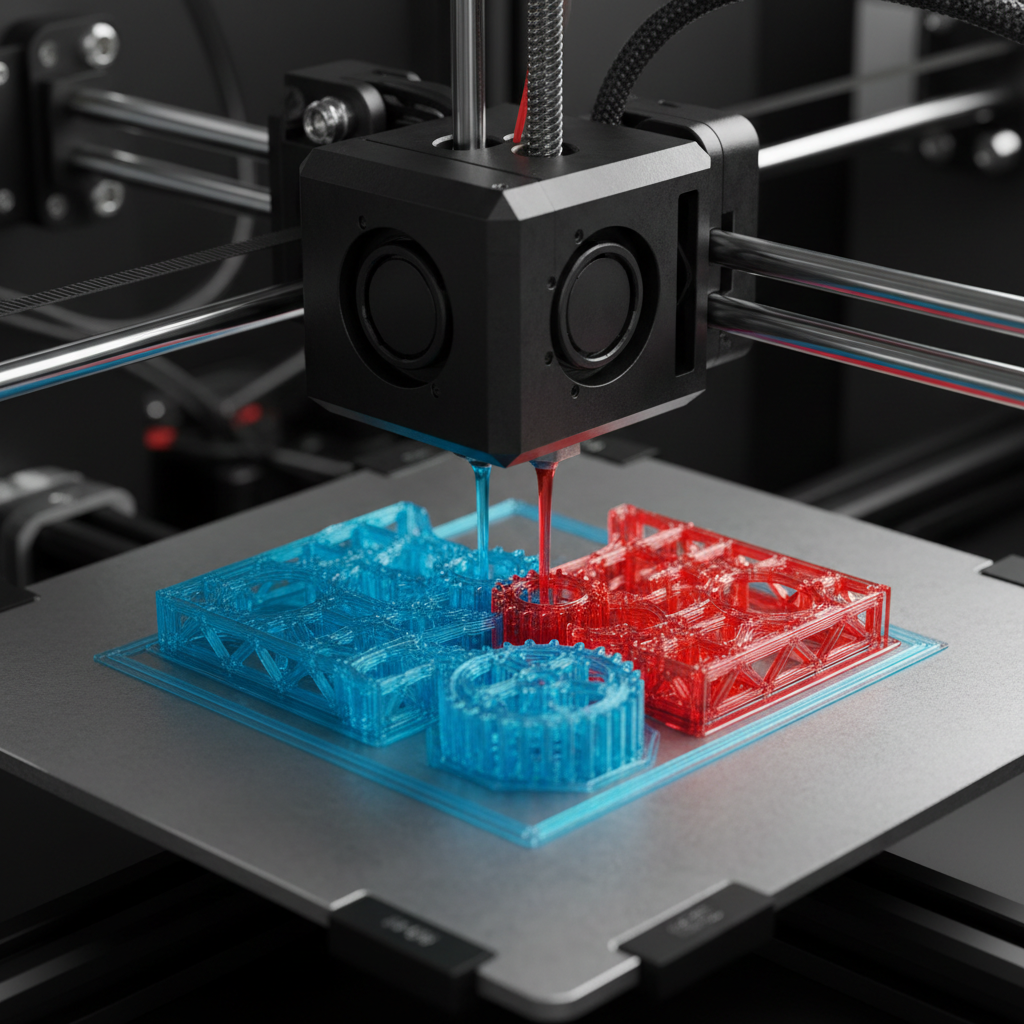
Engineers benefit from the flexibility offered by SLS 3D printing. The ability to produce prototypes quickly and efficiently accelerates the product development cycle. By testing ideas in real-time, engineers can iterate and refine designs, leading to better final products.
Advantages of SLS for Engineers
Speed and Efficiency
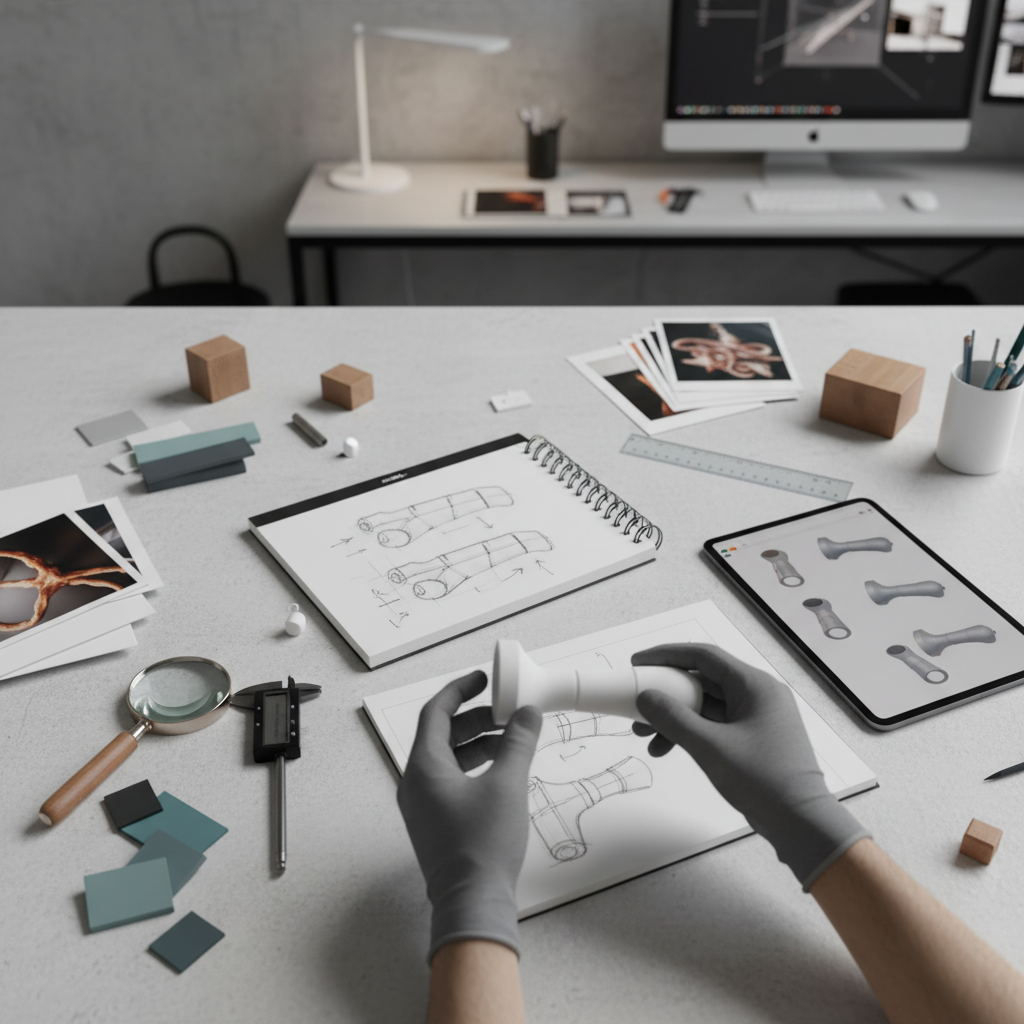
One of the most significant advantages of SLS 3D printing is its speed. Traditional manufacturing methods can be time-consuming, but SLS allows engineers to create prototypes rapidly. This speed enables quicker testing and iteration, ultimately reducing the time to market.
Moreover, SLS is an efficient process. By eliminating the need for molds and tooling, engineers can focus on design rather than production constraints. This efficiency leads to cost savings and more innovative solutions.
Material Versatility
SLS 3D printing offers a wide range of material options, including plastics, metals, and composites. This versatility means engineers can select materials that best fit their specific project requirements. Whether designing lightweight components or durable, heat-resistant parts, SLS provides the necessary materials to meet diverse needs.
This flexibility extends to the creation of functional prototypes, allowing engineers to test parts under real-world conditions. By using materials that mimic final production specifications, SLS helps ensure that prototypes perform as expected.
Complex Geometries and Customization
Design Freedom
SLS 3D printing supports the creation of complex geometries that are often impossible with traditional manufacturing techniques. This freedom allows engineers to explore innovative design solutions without the limitations imposed by conventional methods. As a result, products can be optimized for performance, weight, and cost.

Customization is another key benefit. Engineers can tailor designs to specific applications or customer requirements, enhancing product functionality and appeal. This level of customization is particularly valuable in industries such as aerospace and healthcare, where precision and personalization are crucial.
Reducing Waste and Environmental Impact
By minimizing material waste, SLS 3D printing also contributes to a more sustainable product development process. Traditional manufacturing often results in significant scrap materials, but SLS uses only what is necessary to build the part, reducing environmental impact.
Furthermore, the ability to produce parts on-demand reduces the need for large inventories, lowering storage costs and further decreasing the carbon footprint associated with manufacturing.
The Future of Product Development
As SLS 3D printing technology continues to advance, its impact on product development will only grow. Engineers will have even more tools at their disposal to innovate and create groundbreaking products. Embracing this technology is not just a competitive advantage but a necessity for staying ahead in a rapidly evolving market.
By harnessing the power of SLS 3D printing, engineers can transform ideas into reality faster and more efficiently than ever before. The possibilities are endless, and the future of product development is bright.