
How Strong is SLS PA12 for Functional Parts? An Engineer's Perspective
Introduction to SLS PA12
SLS PA12, or Selective Laser Sintering Polyamide 12, is a popular material in the world of additive manufacturing, particularly for creating functional parts. Its unique properties make it a preferred choice for engineers looking for durability and versatility. But just how strong is SLS PA12? In this post, we'll explore its strength and application potential from an engineer's perspective.
Material Properties
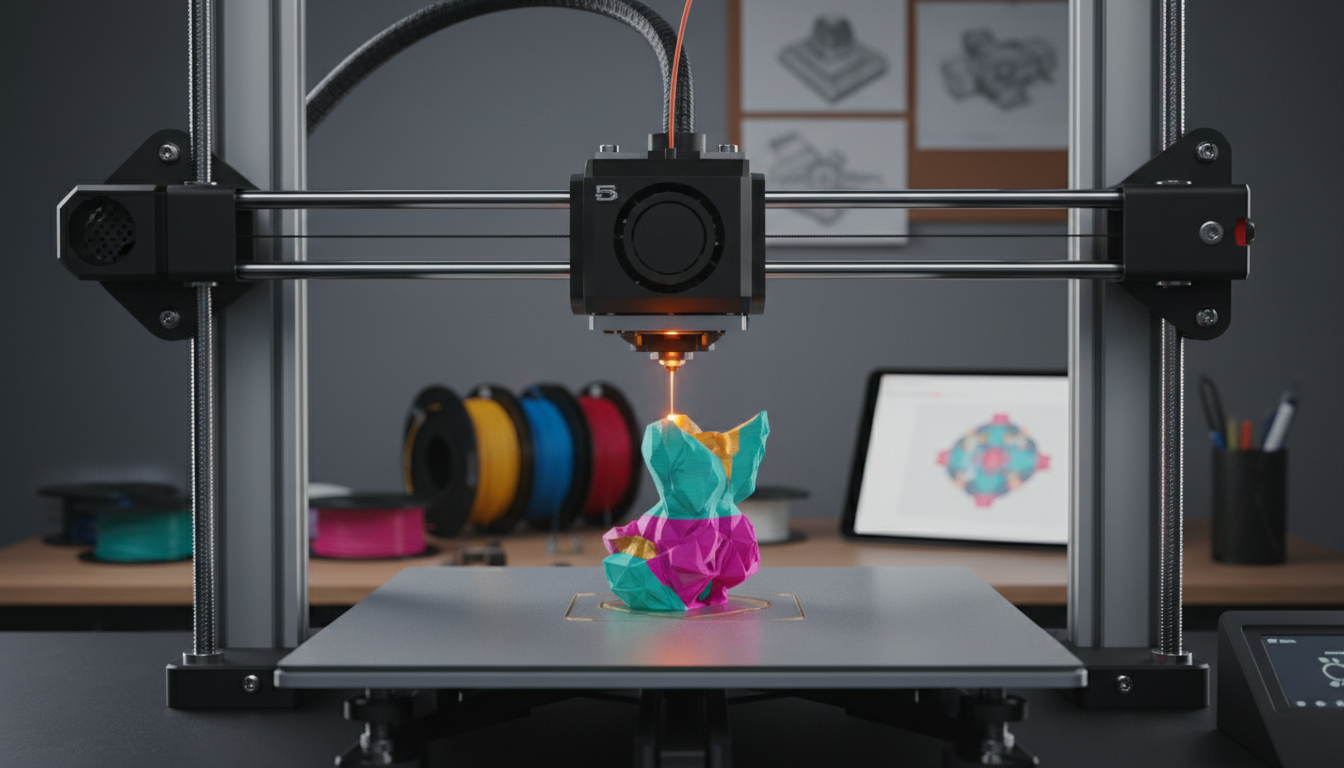
PA12 is known for its excellent mechanical properties, including high tensile strength and impact resistance. It offers a balance of rigidity and flexibility, which is vital for creating parts that need to withstand mechanical stress. Engineers appreciate PA12 for its low moisture absorption, ensuring dimensional stability even in humid environments.
Tensile Strength and Durability
One of the standout features of SLS PA12 is its tensile strength, which typically ranges around 48 MPa. This makes it suitable for parts that must endure significant stress without breaking. The material's durability is enhanced by its resilience to wear and abrasion, making it ideal for functional prototypes and end-use parts.
Applications in Engineering
The strength of SLS PA12 makes it a go-to choice for various engineering applications. From automotive components to consumer electronics, its versatility is unmatched. Engineers often use it for prototypes that require testing in real-world conditions due to its ability to replicate the properties of injection-molded parts.
Complex Geometries
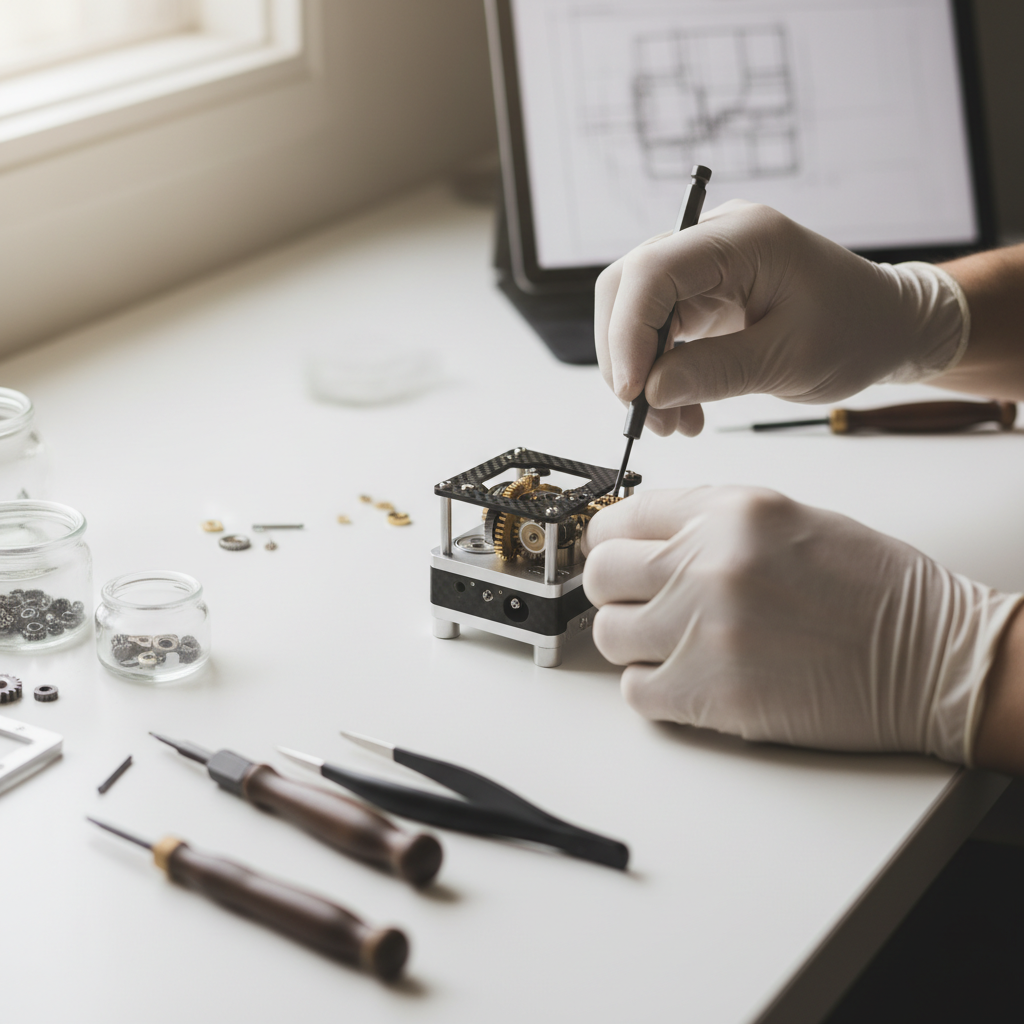
SLS technology allows for the creation of complex geometries that are difficult or impossible to achieve with traditional manufacturing methods. PA12's strength ensures that these intricate designs maintain their integrity during and after the manufacturing process. This capability opens doors to innovative product designs and solutions.
Comparisons with Other Materials
When compared to other 3D printing materials, such as ABS or PLA, PA12 stands out for its superior mechanical properties. While ABS is known for its strength, PA12 offers a higher resistance to impact and wear. PLA, on the other hand, lacks the durability and flexibility needed for functional parts.
Cost vs. Performance
While SLS PA12 might come at a higher cost than some other materials, its performance justifies the investment for many projects. The cost-benefit analysis often tilts in favor of PA12 when the need for robust, reliable parts is prioritized. Engineers value its ability to produce low-volume production runs without compromising on quality.
Conclusion
In summary, SLS PA12 is a strong and versatile material that excels in producing functional parts for various engineering applications. Its combination of tensile strength, durability, and ability to handle complex designs makes it a top choice for engineers. Whether for prototyping or end-use applications, PA12 provides the reliability and performance needed in demanding environments.