
How Strong is SLS PA12 for Functional Parts? An In-Depth Analysis
Understanding SLS PA12
Selective Laser Sintering (SLS) is a popular 3D printing technology known for its ability to produce high-quality, durable parts. One of the standout materials used in SLS is PA12, or Polyamide 12. This material is renowned for its strength, making it a top choice for functional parts in various industries.
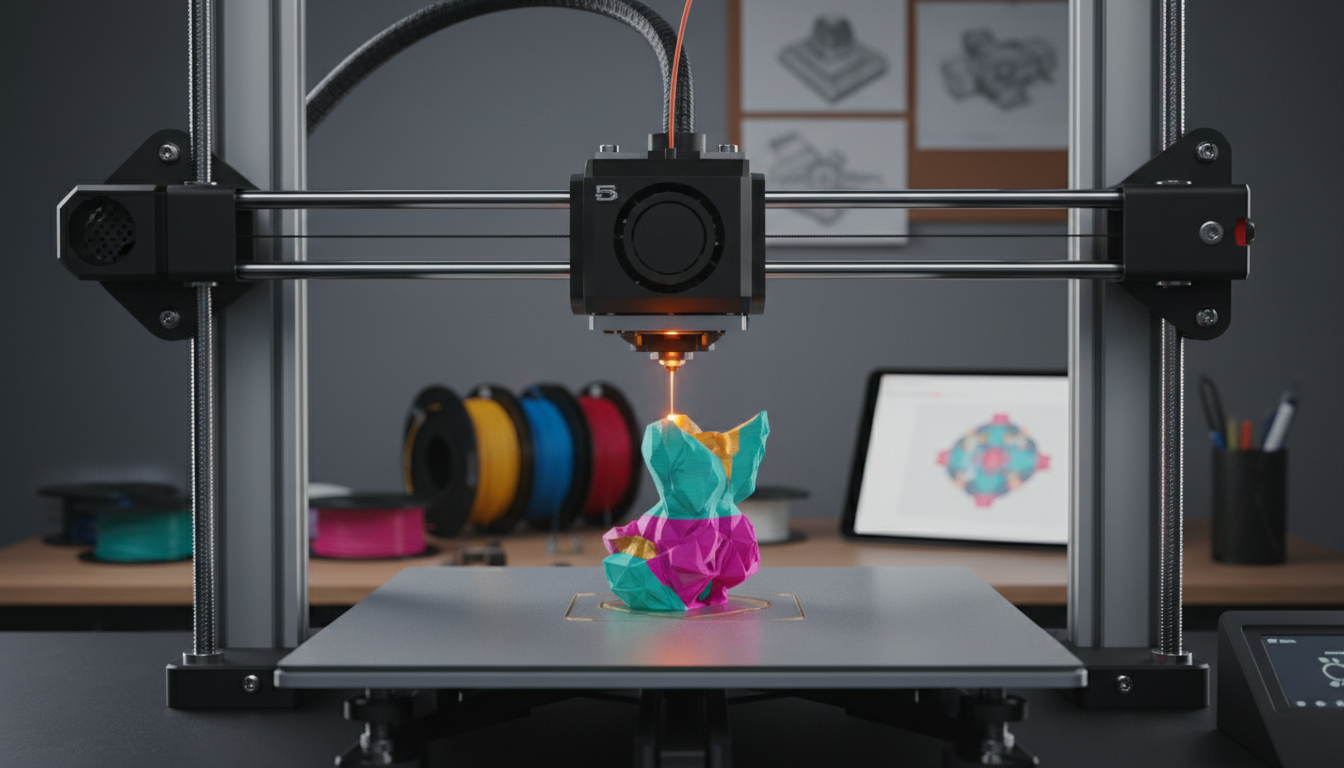
PA12 offers a unique combination of mechanical properties, including excellent tensile strength, flexibility, and impact resistance. These characteristics make it suitable for producing parts that need to withstand mechanical stress and harsh environments.
Mechanical Properties of PA12
The mechanical properties of PA12 are what set it apart from other materials. It boasts a tensile strength of up to 48 MPa, which is comparable to many injection-molded plastics. Its elongation at break can reach up to 20%, providing a balance of strength and flexibility.
Moreover, PA12 exhibits a high degree of elasticity, making it ideal for parts that require flexibility without sacrificing durability. This is particularly beneficial in applications like automotive components and consumer goods.
Applications and Use Cases
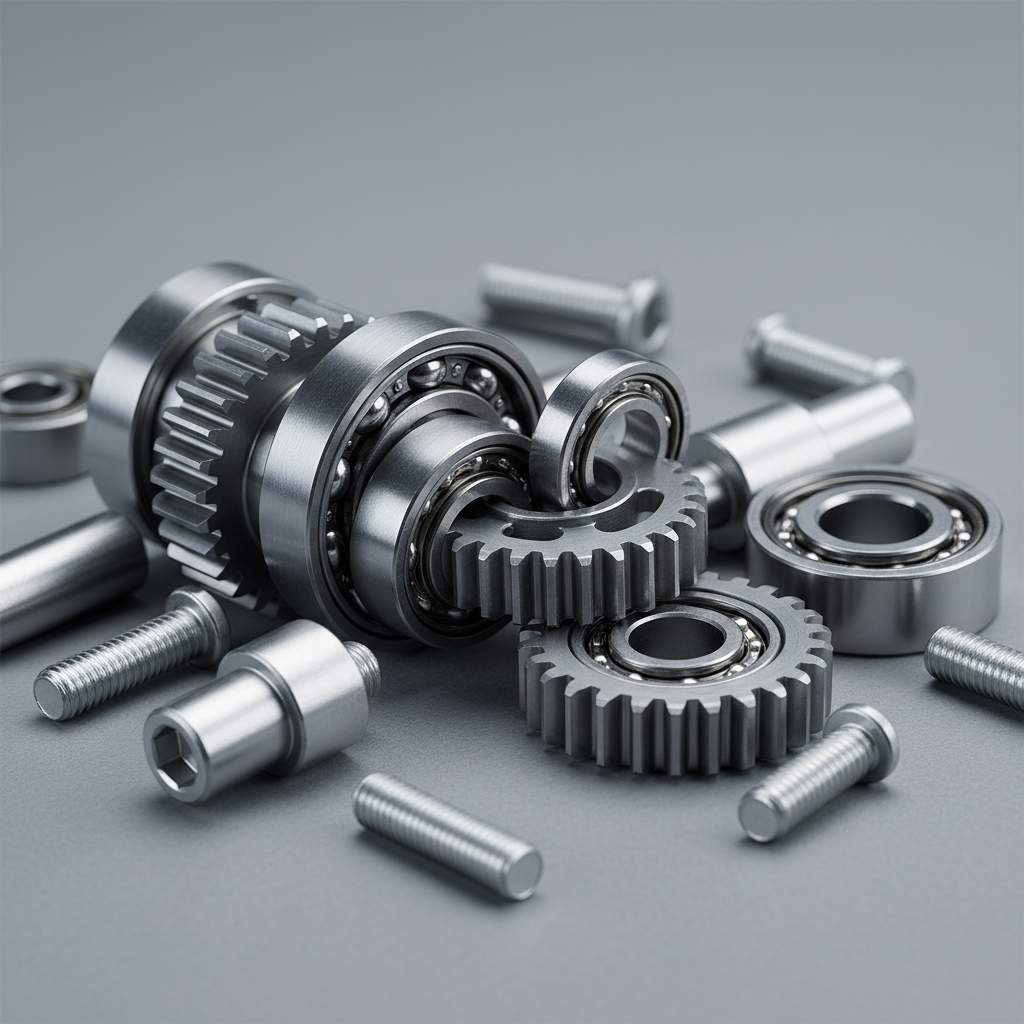
SLS PA12 is frequently used in industries that demand robust and reliable parts. In the automotive sector, it is employed to produce functional prototypes, jigs, and fixtures. Its ability to withstand high temperatures and chemical exposure makes it invaluable in under-the-hood applications.
- Consumer Electronics: PA12 is used for creating durable casings and components.
- Medical Devices: Its biocompatibility allows for the creation of prosthetics and medical tools.
- Aerospace: Lightweight and robust parts are essential in this industry, and PA12 fits the bill.
Advantages of SLS PA12
The advantages of using SLS PA12 extend beyond its mechanical properties. Parts produced with PA12 have a smooth surface finish, reducing the need for post-processing. This saves time and resources, making it an efficient choice for rapid prototyping and production.
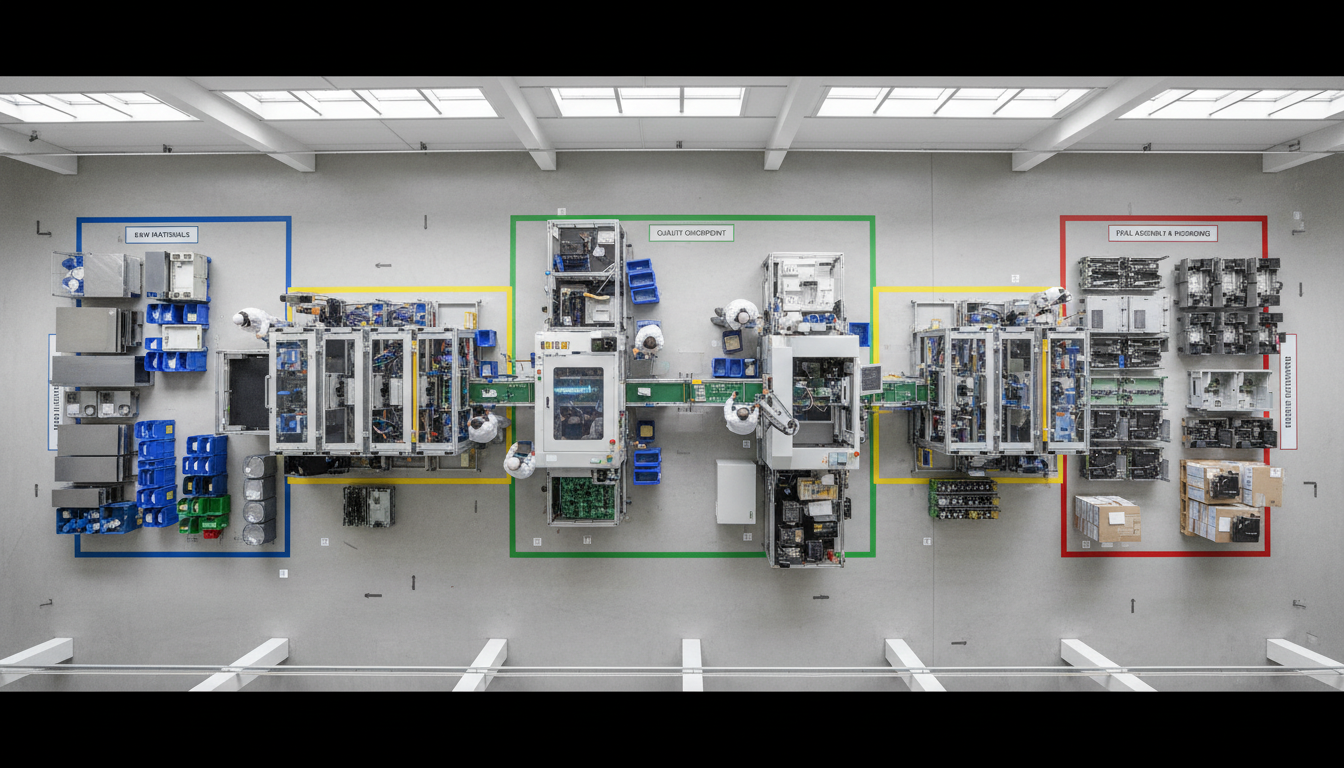
Another benefit is its excellent chemical resistance, which ensures longevity and reliability in harsh environments. This property is crucial for industries like chemical processing and automotive, where exposure to corrosive substances is common.
Challenges and Considerations
While SLS PA12 is a remarkable material, it is not without its challenges. The initial cost of SLS machines can be high, and the process itself requires expertise to ensure optimal results. Additionally, while PA12 is strong, it may not be the best choice for all applications, particularly those requiring extreme stiffness.
Despite these challenges, advancements in 3D printing technology and materials continue to improve the accessibility and performance of SLS PA12, making it an increasingly viable option for a wide range of applications.