
How to Choose the Right 3D Printing Service for Your Engineering Projects
Understanding Your Project Requirements
When selecting a 3D printing service for your engineering projects, the first step is to clearly define your project requirements. Consider factors such as the complexity of the design, material specifications, and the intended use of the final product. Knowing these details will help you communicate effectively with the 3D printing service provider.
It's essential to distinguish whether your project requires rapid prototyping, functional parts, or aesthetic models. This will influence the choice of materials and printing technology. The right service provider should be able to offer various options tailored to your specific needs.

Choosing the Right Printing Technology
Different 3D printing technologies have unique strengths and limitations. For example, Fused Deposition Modeling (FDM) is suitable for simple prototypes, while Stereolithography (SLA) is ideal for highly detailed models. Select a service that specializes in the technology that aligns with your project goals.
Ask potential service providers about their experience with specific technologies and request examples of previous work. This can give you insight into their expertise and the quality of their output.
Material Selection
The choice of material is crucial for the success of your engineering project. Consider factors such as strength, flexibility, temperature resistance, and cost. Common materials include PLA, ABS, nylon, and resins, each with its own properties and applications.
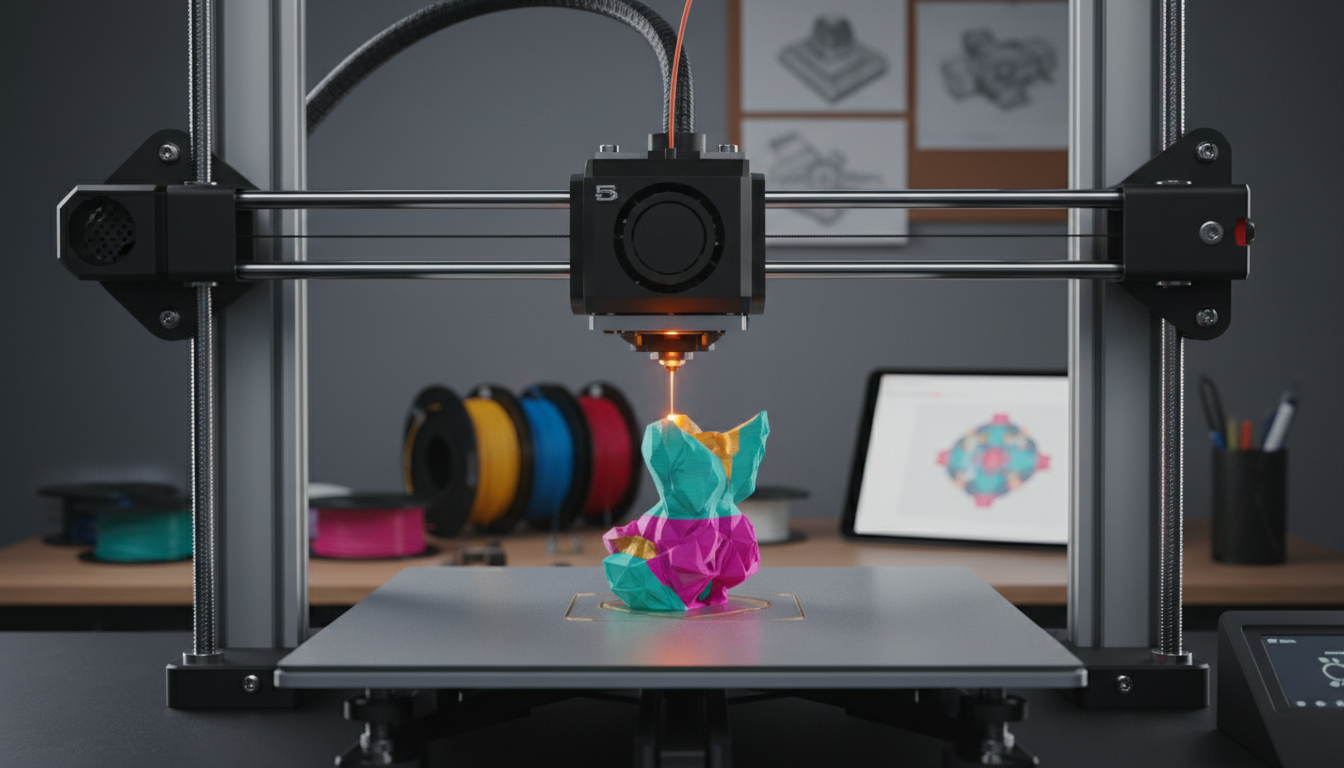
Discuss your material requirements with the service provider to ensure they can supply what you need. They should offer guidance on the best materials for your specific application, balancing performance and budget.
Evaluating Quality and Precision
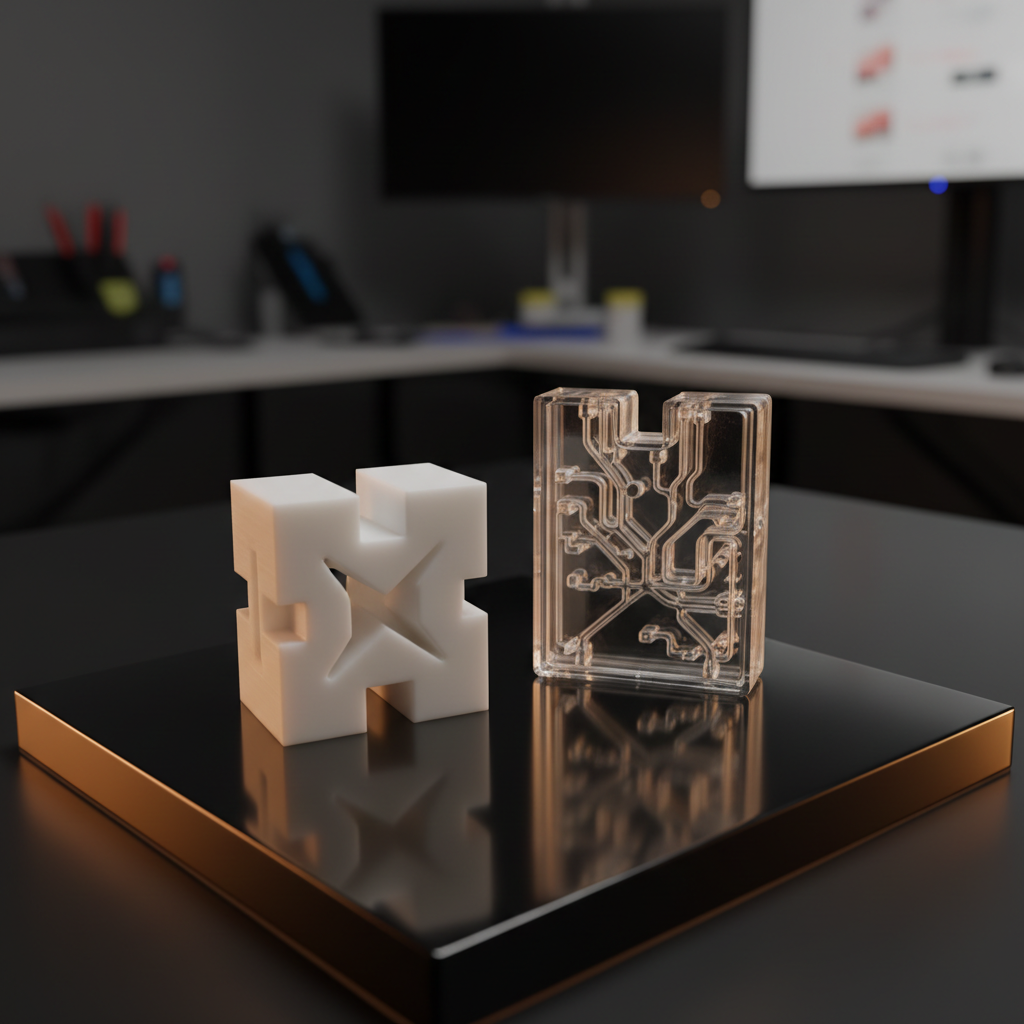
Quality and precision are non-negotiable in engineering projects. Look for a 3D printing service that can deliver consistent and accurate results. Ask about their quality control measures and request samples or case studies.
Pay attention to layer resolution, surface finish, and tolerances. High-quality prints will have smooth surfaces and precise dimensions, which are critical for functional parts.
Assessing Turnaround Time and Cost
Time and cost are significant factors in choosing a 3D printing service. Obtain quotes from multiple providers and compare their pricing structures. Ensure there are no hidden fees that could inflate your budget unexpectedly.
Inquire about the typical turnaround time for projects similar to yours. A reliable service should offer a balance between speed and quality, allowing you to meet deadlines without compromising on the final product.
Customer Support and Communication
Effective communication is critical when working with a 3D printing service. Choose a provider that offers excellent customer support and is responsive to your inquiries. They should be willing to collaborate closely, providing updates and addressing any concerns promptly.
Building a strong relationship with your service provider can lead to smoother project execution and better outcomes. Prioritize those who demonstrate a commitment to customer satisfaction and quality service.