
How to Optimize Your 3D Printing Designs for ABS and PETG
Understanding ABS and PETG
When it comes to 3D printing, choosing the right material is crucial for achieving optimal results. Two popular materials are ABS (Acrylonitrile Butadiene Styrene) and PETG (Polyethylene Terephthalate Glycol). Each has its unique properties, making them suitable for different applications. ABS is known for its strength and durability, while PETG offers excellent clarity and flexibility.
Understanding the characteristics of these materials can help you make informed decisions about your design choices. ABS is often used for industrial applications, whereas PETG is favored for consumer products due to its ease of use and aesthetic appeal.
Design Considerations for ABS
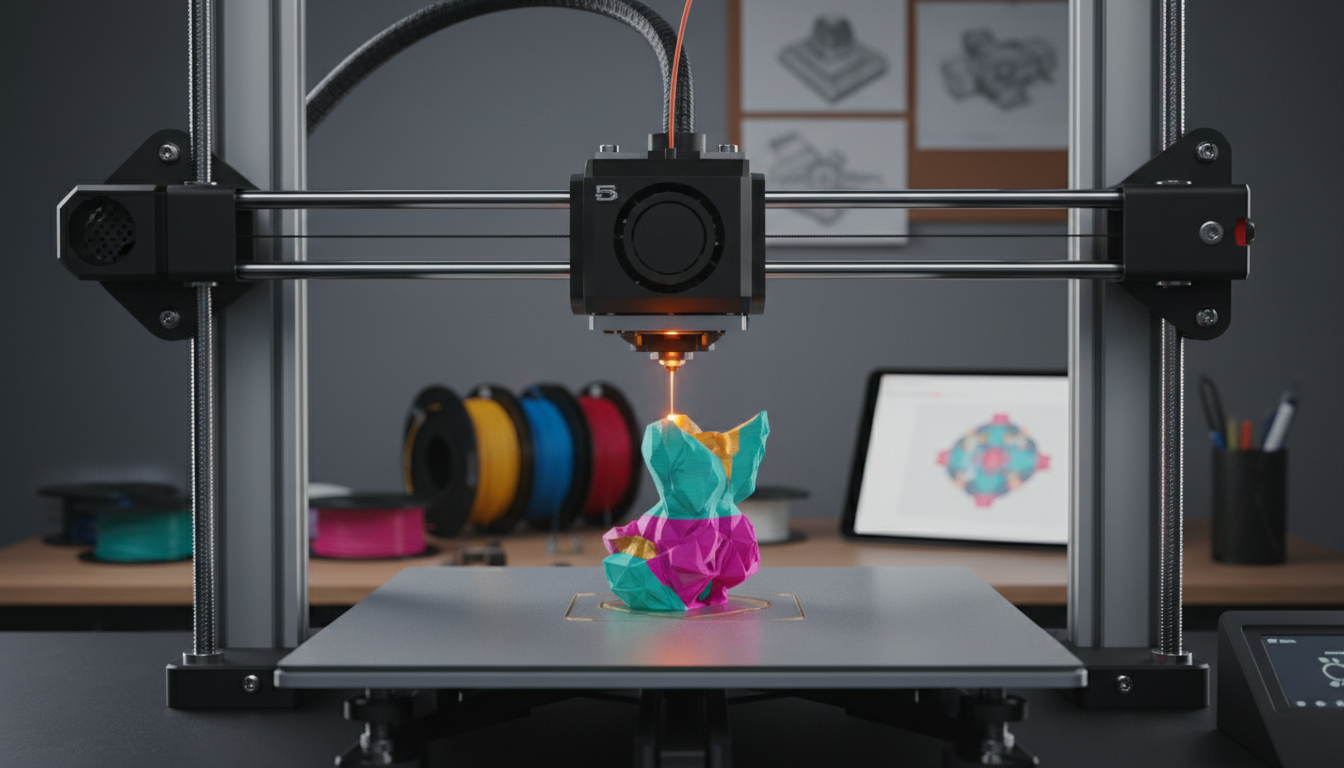
When designing for ABS, it's important to consider its tendency to warp during the cooling process. To minimize this, ensure that your design includes adequate support structures. Using a heated bed can also help in reducing warping by maintaining a consistent temperature.
Another design consideration for ABS is its ability to withstand high temperatures. This property allows for more robust and heat-resistant products, making it ideal for automotive and electronic components. To leverage this feature, consider adding thicker walls and more infill to your designs.
Design Considerations for PETG
PETG is known for its excellent layer adhesion, which minimizes warping and provides a smoother finish. When designing for PETG, focus on models that require high transparency or flexibility. Its chemical resistance makes it ideal for food containers and medical applications.
While PETG is less likely to warp, it's still advisable to use a cooling fan to ensure a smooth finish. Additionally, consider using a slightly lower printing temperature than ABS to prevent stringing and promote better layer adhesion.
Optimizing Print Settings
Regardless of the material, optimizing your print settings is key to achieving the best results. For ABS, use a heated bed with temperatures ranging from 90-110°C, and an extrusion temperature between 220-250°C. This will help prevent layer separation and warping.
For PETG, set the heated bed temperature to around 70-90°C, with an extrusion temperature between 220-245°C. Adjusting the retraction settings can also help reduce stringing, ensuring a cleaner print.
Post-Processing Techniques
Post-processing can enhance the quality and appearance of your 3D printed models. For ABS, acetone vapor smoothing is a popular technique that can give your prints a glossy finish. This method works by melting the outer layer of the print, resulting in a smoother surface.
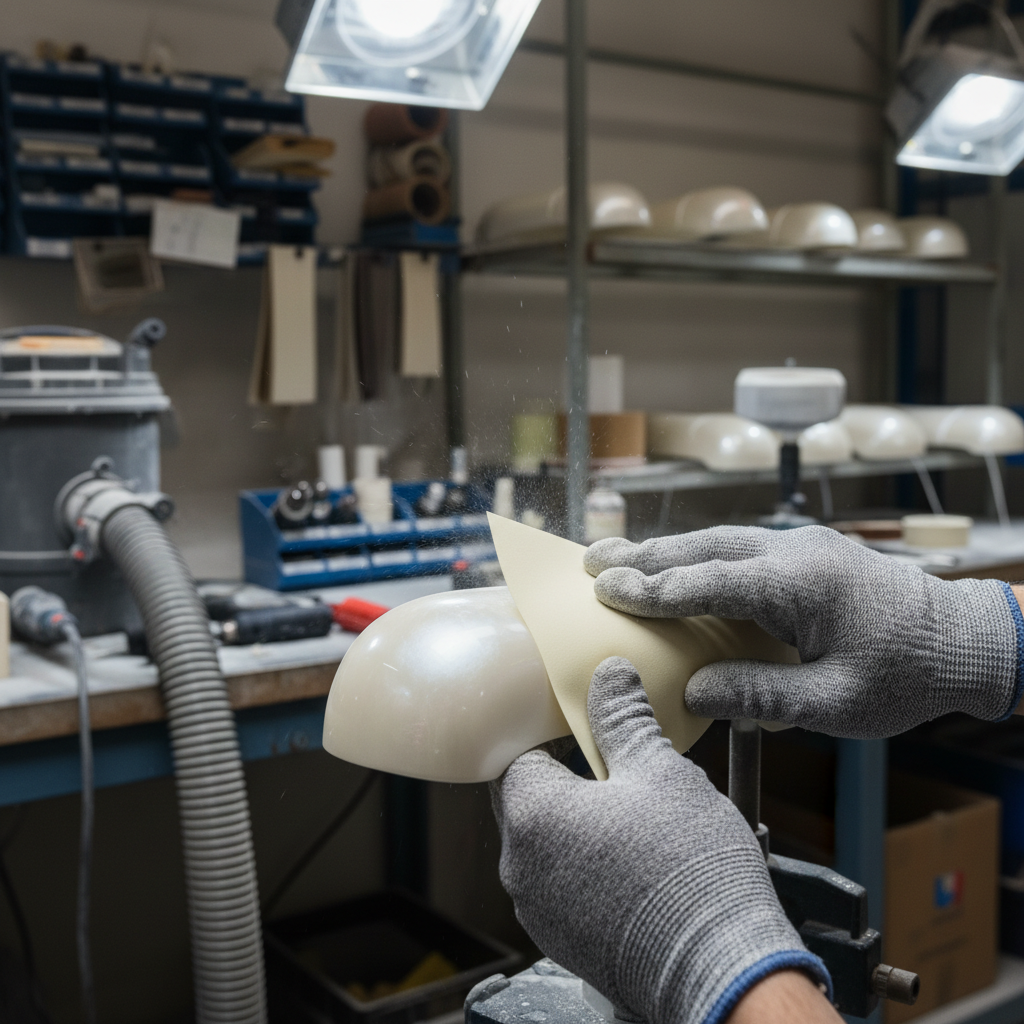
PETG, on the other hand, can be sanded or polished to achieve a similar effect. However, be cautious as excessive sanding can lead to surface scratches. Applying a clear coat can also enhance the transparency and shine of PETG prints.
Conclusion
Optimizing your 3D printing designs for ABS and PETG involves understanding the unique properties of each material and adjusting your design and printing settings accordingly. By considering factors such as temperature control, support structures, and post-processing techniques, you can achieve high-quality prints that meet your specific needs.
Experimenting with different settings and techniques will help you discover what works best for your projects. With practice, you'll be able to produce stunning and functional 3D prints using ABS and PETG.