
Maximizing Efficiency with 3D Printing: Short-Run Production Tips
Understanding Short-Run Production
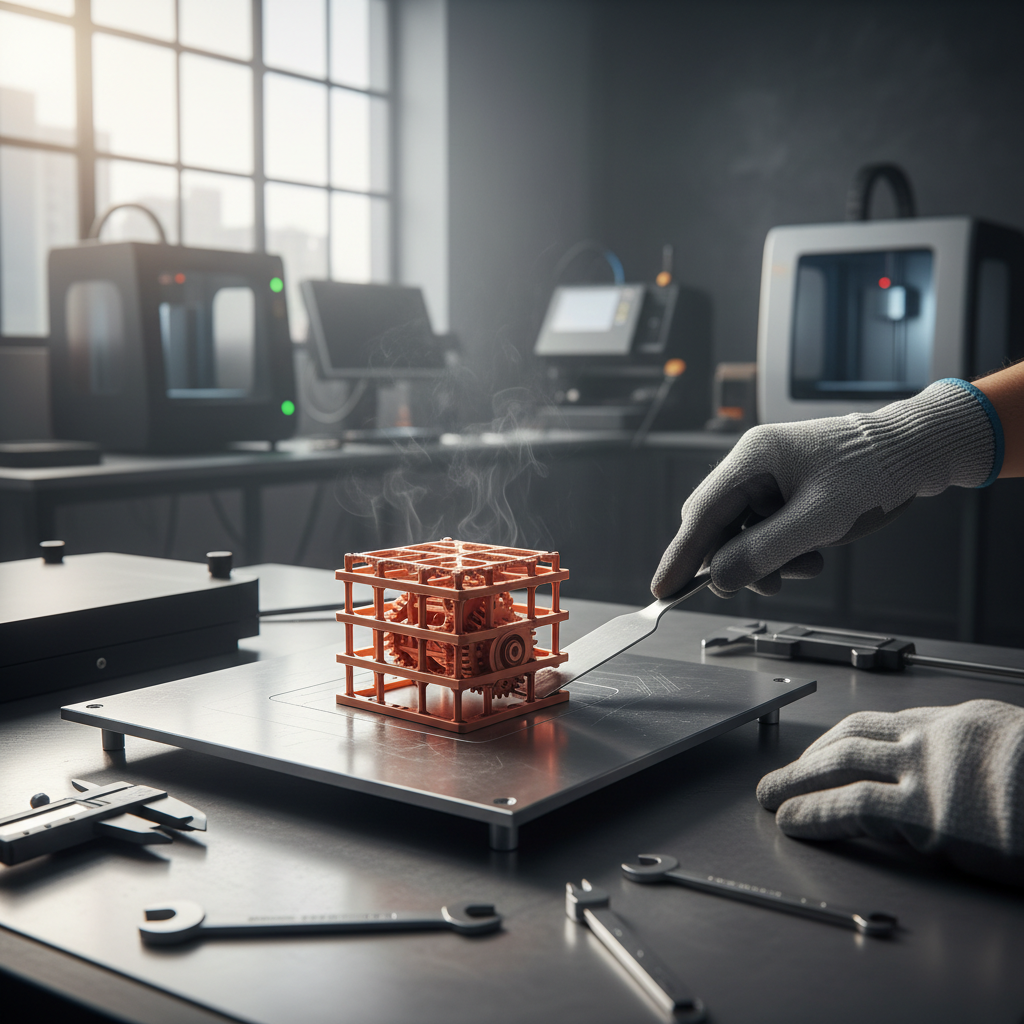
Short-run production involves manufacturing a limited quantity of items, which can be cost-effective and time-saving. With the rise of 3D printing technology, businesses can efficiently manage small-scale production without the high costs associated with traditional methods.
Benefits of 3D Printing for Short-Run Production
3D printing offers numerous advantages for short-run manufacturing. It allows for rapid prototyping, enabling businesses to test and refine their products quickly. This flexibility is perfect for industries that need to adapt swiftly to market demands.
Another key benefit is the reduction in waste. Traditional manufacturing often involves excess material, whereas 3D printing uses only what is necessary. This not only cuts costs but also supports sustainability efforts.
Optimizing Design for Efficiency
Effective design is crucial in maximizing the benefits of 3D printing. Consider the following tips to optimize your design process:
- Minimize Material Usage: Design with structure efficiency in mind to reduce material costs.
- Focus on Functionality: Ensure the design serves its purpose without unnecessary complexity.
- Iterate Quickly: Use 3D printing’s rapid prototyping capabilities to refine designs swiftly.
Choosing the Right Materials
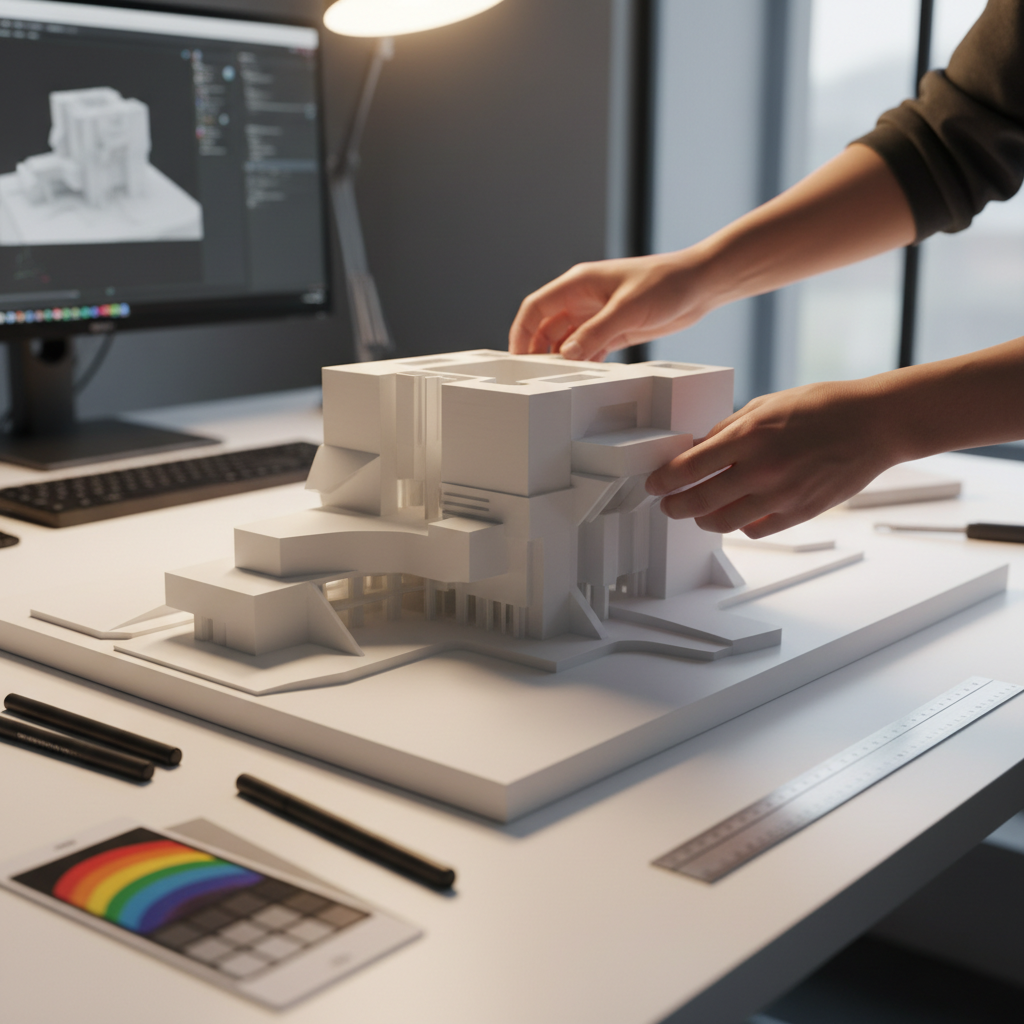
The choice of material can significantly impact the efficiency of your 3D printing process. Consider materials that offer the best balance between cost, strength, and ease of printing. Common materials include PLA, ABS, and PETG, each with unique properties suited to different applications.
Experiment with different materials to find the optimal solution for your product needs. Utilize material testing to ensure durability and performance meet your standards.
Leveraging Software for Enhanced Productivity
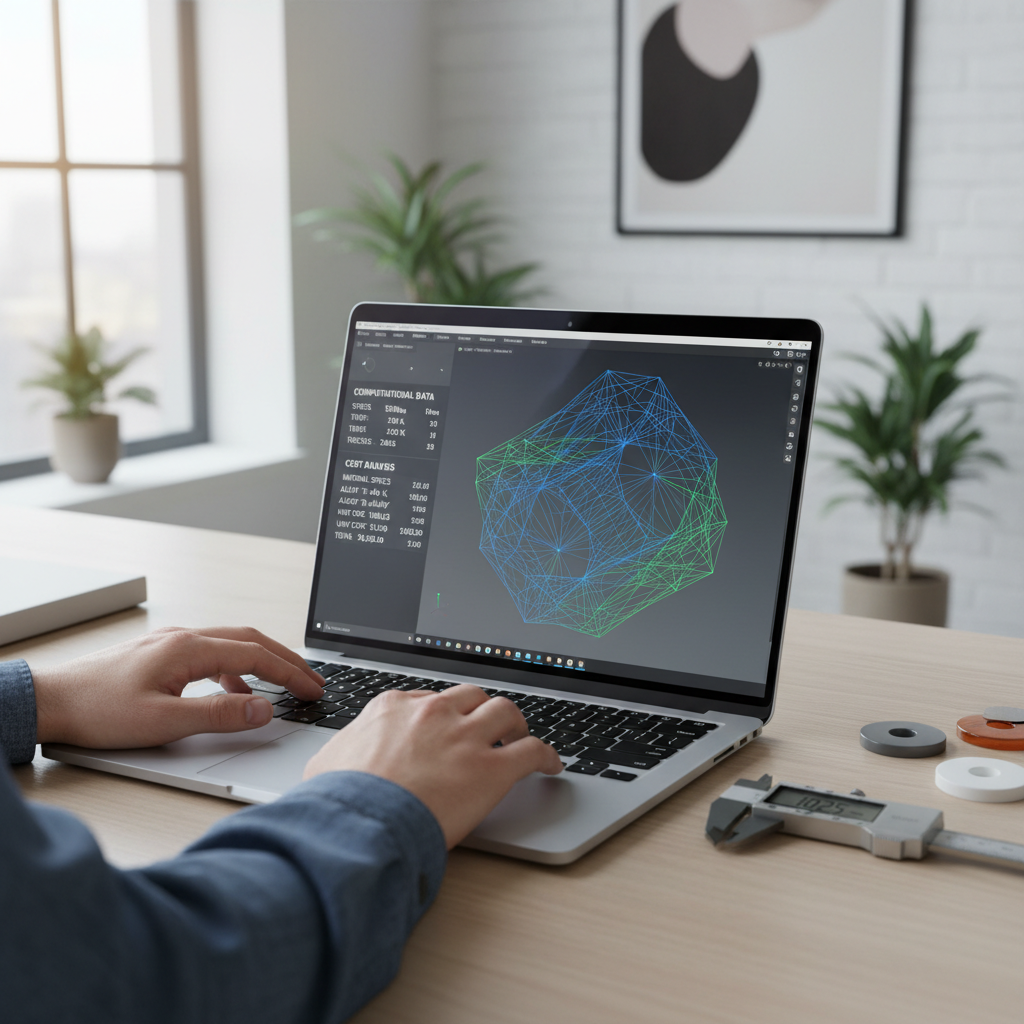
Software plays a critical role in maximizing 3D printing efficiency. Advanced printing software can optimize print paths, reduce print times, and enhance the overall quality of the final product. Explore tools that offer features such as automatic support generation and error detection.
Implementing Quality Control
Quality control is essential in short-run production to ensure that each item meets the necessary standards. Implement thorough inspection processes to identify and correct defects early on. Use technologies such as 3D scanning to verify dimensions and tolerances.
Regular maintenance of your 3D printers is also vital. Keeping the equipment in top condition reduces the risk of errors and ensures consistent output quality.
Conclusion: Embracing the Future of Manufacturing
3D printing is revolutionizing short-run production by offering unmatched flexibility, cost savings, and efficiency. By optimizing design, selecting the right materials, leveraging software, and maintaining strict quality control, businesses can fully harness the potential of this technology. Embrace these strategies to stay competitive in the ever-evolving manufacturing landscape.