
Maximizing Efficiency with SLS 3D Printing for Short-Run Manufacturing
Understanding SLS 3D Printing
Selective Laser Sintering (SLS) is a powerful 3D printing technology that is transforming the landscape of short-run manufacturing. Its ability to produce complex geometries without the need for molds or tooling makes it a cost-effective solution for companies looking to innovate quickly and efficiently.
How SLS 3D Printing Works
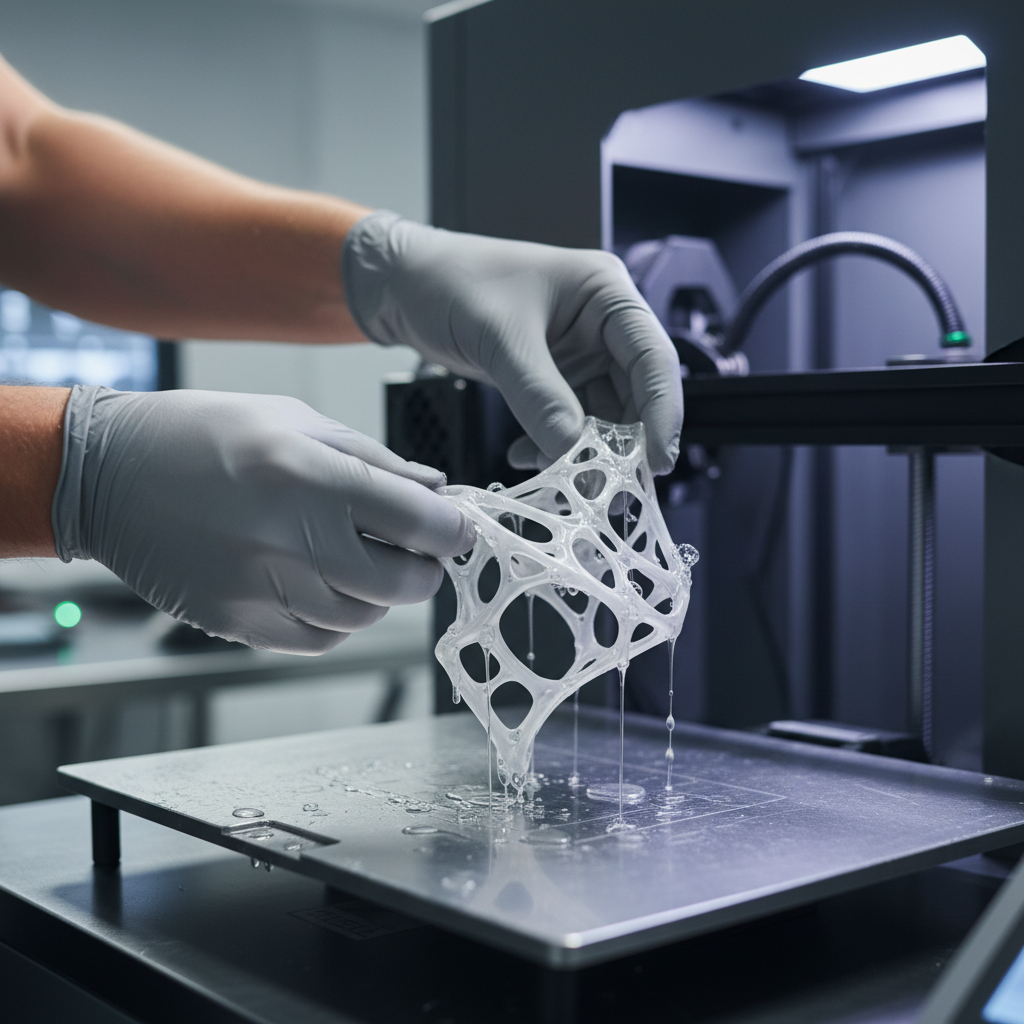
SLS uses a high-powered laser to fuse small particles of polymer powder into a solid structure. By scanning the cross-sections generated from a 3D model, the laser selectively sinters the particles layer by layer. This process allows for the creation of highly intricate designs that are both durable and lightweight.
Benefits of SLS for Short-Run Manufacturing
Short-run manufacturing often requires flexibility and speed, and SLS 3D printing delivers on both fronts. By eliminating the need for traditional tooling, companies can significantly reduce lead times and costs. This agility is crucial in industries where time-to-market can determine success.
Cost-Effectiveness
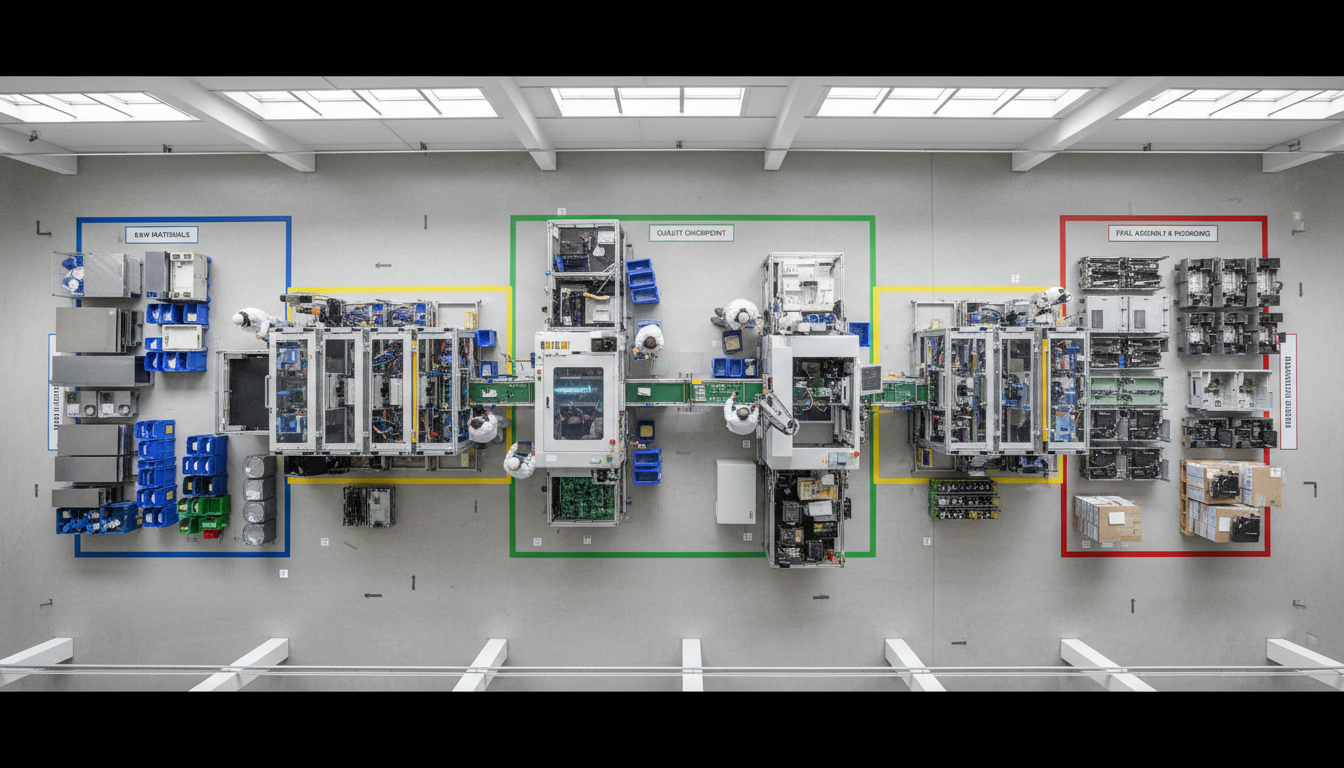
One of the standout benefits of SLS is its cost-effectiveness for small production runs. Without the need for expensive molds, manufacturers can save on upfront costs. Additionally, the ability to produce complex parts in a single session reduces the need for assembly, saving both time and labor costs.
Design Flexibility and Innovation
SLS offers unparalleled design flexibility, allowing for the creation of complex geometries that would be impossible with traditional manufacturing methods. This opens up a world of possibilities for innovation, enabling designers to experiment with new ideas without the constraints of conventional production techniques.

Material Versatility
Another advantage of SLS is its material versatility. A wide range of materials are compatible with the technology, including nylons and composites, making it suitable for various applications. This adaptability means that manufacturers can choose the best material for their specific needs, enhancing product performance and durability.
Streamlining the Production Process
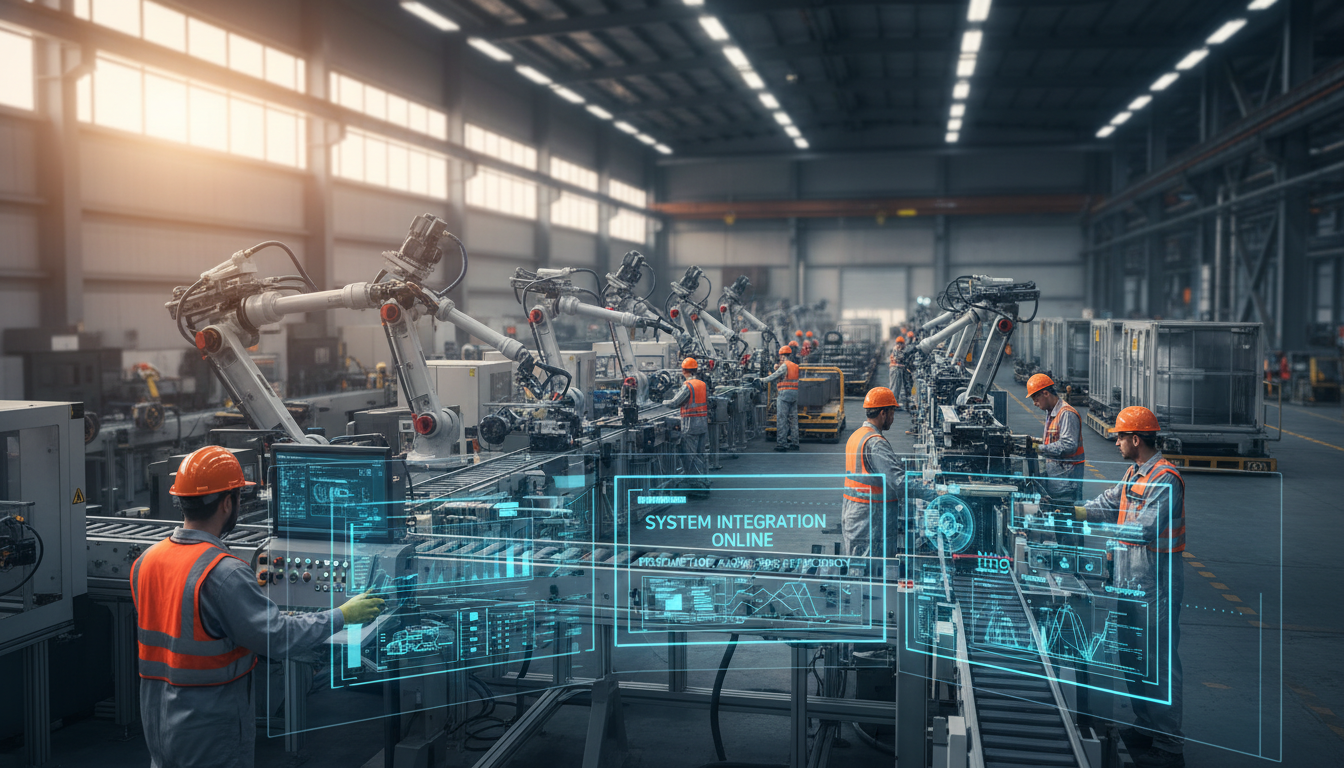
By integrating SLS 3D printing into their operations, companies can streamline the production process. This technology allows for rapid prototyping, enabling teams to iterate designs quickly and efficiently. As a result, businesses can respond to market demands more swiftly, staying ahead of the competition.
Reducing Waste
SLS is also a more sustainable option compared to traditional manufacturing processes. By using only the material necessary to create each part, it minimizes waste, contributing to more environmentally friendly production practices. This sustainability aspect is increasingly important as companies strive to reduce their environmental impact.
Conclusion
Incorporating SLS 3D printing into short-run manufacturing offers numerous advantages, from cost savings and design flexibility to enhanced efficiency and sustainability. As the technology continues to evolve, it promises to unlock new possibilities for businesses eager to innovate and compete in a rapidly changing marketplace.