
Myth-Busting: Common Misconceptions About 3D Printing Materials
Understanding 3D Printing Materials
3D printing has revolutionized manufacturing, allowing for unprecedented creativity and customization. However, many misconceptions persist about the materials used in this innovative process. Let's debunk some common myths and provide clarity on what 3D printing materials are truly capable of.
Myth 1: 3D Printing Materials Are Weak
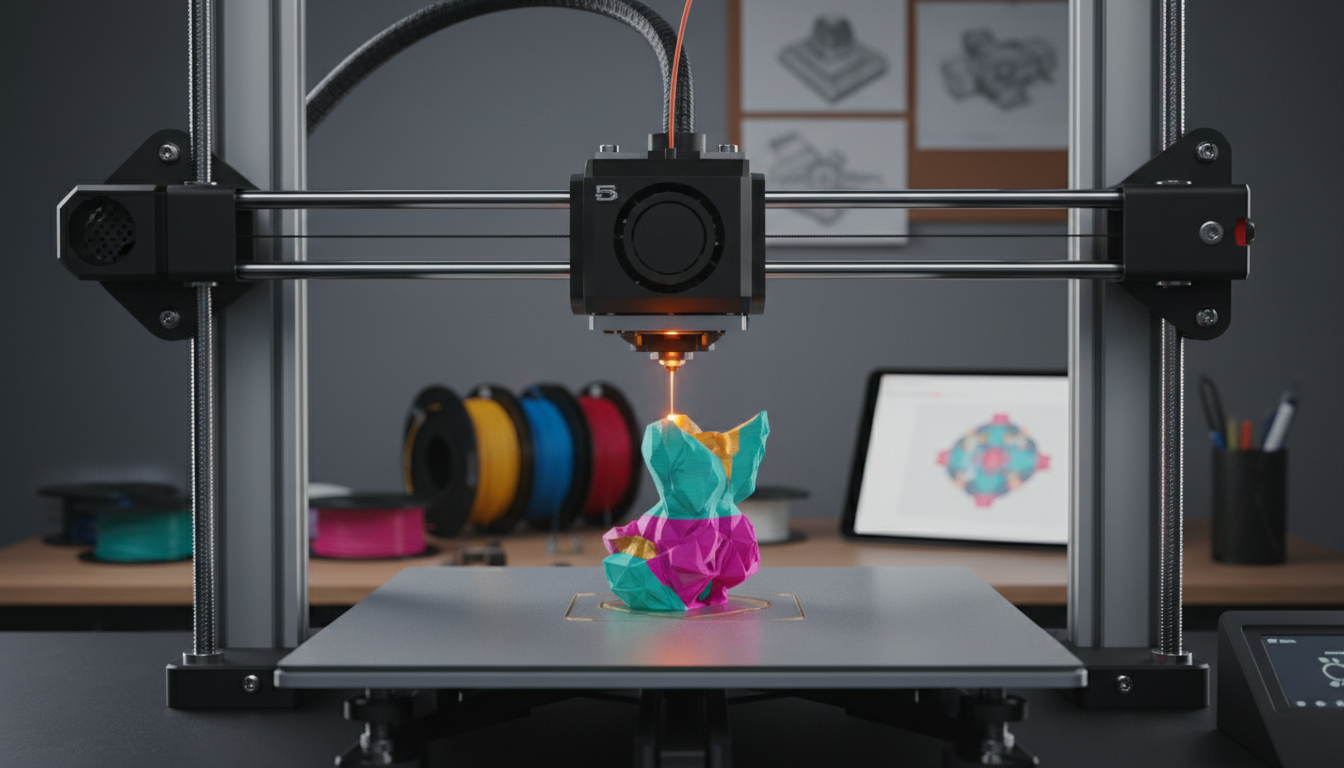
A prevalent belief is that 3D-printed objects are inherently fragile. While it's true that early materials had limitations, today’s options are robust and versatile. Modern 3D printing materials can include durable plastics, metals, and even composites that match or exceed the strength of traditional manufacturing materials.
For example, industrial-grade thermoplastics like ABS and polycarbonate are frequently used for their strength and resilience. Additionally, metal 3D printing with materials such as stainless steel and titanium offers exceptional durability and is even used in aerospace and automotive industries.
Myth 2: Limited Material Choices
Another misconception is that there are only a few types of materials available for 3D printing. In reality, the range of materials is extensive and continues to expand. Beyond common plastics, you can find specialized materials like carbon fiber-reinforced polymers, ceramics, and even bio-materials for medical applications.
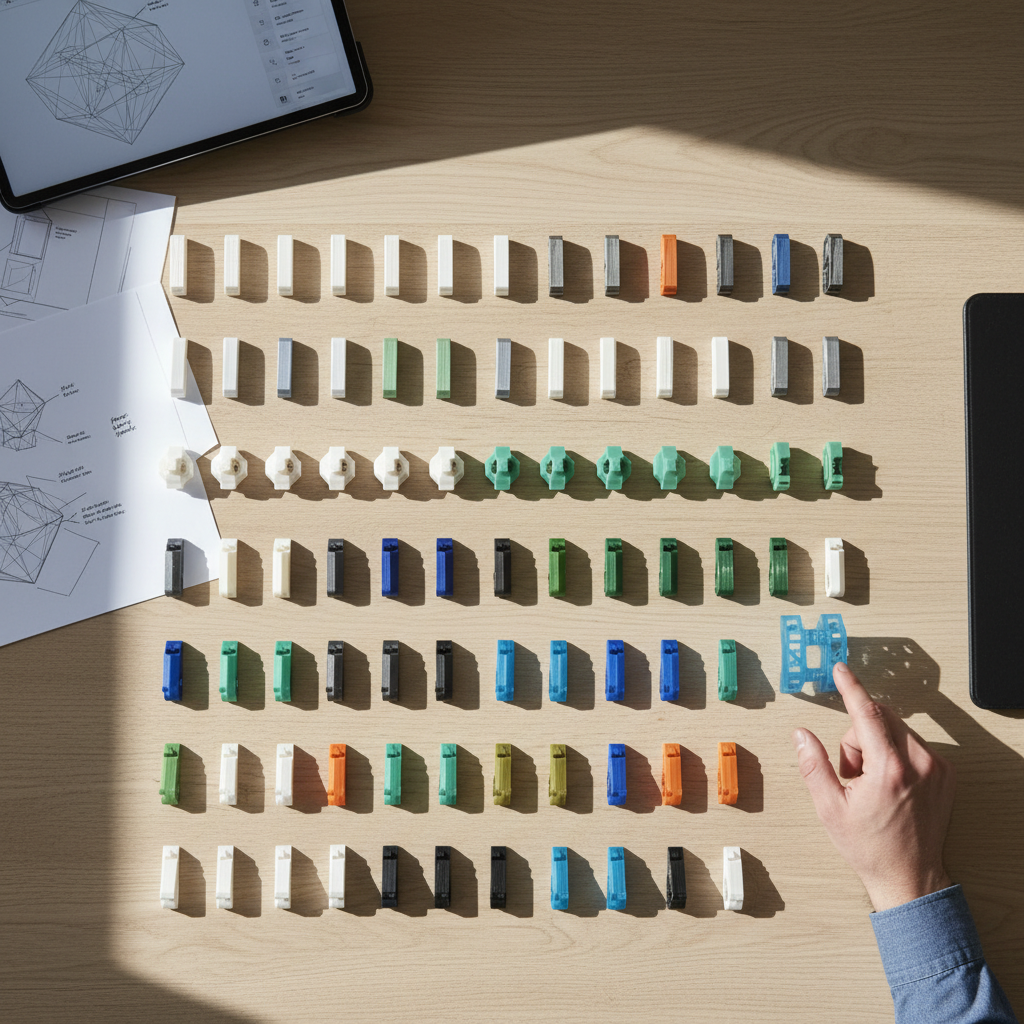
This diversity allows creators to select materials based on specific needs, whether it's flexibility, heat resistance, or biocompatibility. The flexibility in material choice is one of 3D printing’s greatest strengths.
Myth 3: 3D Printed Items Are Not Precise
Some people believe that 3D-printed items lack precision and quality. However, advancements in 3D printing technology have significantly improved accuracy. Many 3D printers today can produce items with incredibly fine details and tight tolerances, rivaling traditional manufacturing techniques.
High-resolution printers and advanced software allow designers to create complex geometries that were once impossible. This precision opens up new possibilities for innovation across various industries.
Myth 4: 3D Printing Is Only for Prototyping
While 3D printing is an excellent tool for prototyping, it is not limited to this application. Many industries now use 3D printing for full-scale production. The ability to quickly iterate and customize designs makes it ideal for both small-batch and mass production.
Industries like healthcare, fashion, and food are exploring 3D printing for final products, showcasing its versatility beyond just prototyping.
Myth 5: All 3D Printing Materials Are Expensive
Cost is often cited as a barrier to adopting 3D printing. While some specialty materials can be pricey, many affordable options exist. Basic filaments like PLA and PETG are cost-effective and suitable for a wide range of applications.
As technology advances and becomes more widespread, the cost of materials is expected to decrease, making 3D printing even more accessible to hobbyists and businesses alike.
Understanding the truth about 3D printing materials can unlock new opportunities for innovation and creativity. By dispelling these myths, we can better appreciate the capabilities and potential of 3D printing in transforming industries and our everyday lives.