PETG vs ABS: Choosing the Right Material for 3D Printed Fixtures and Housings
Introduction to 3D Printing Materials
When it comes to 3D printing fixtures and housings, selecting the right material is crucial for ensuring durability, functionality, and aesthetics. Two popular choices among hobbyists and professionals are PETG and ABS. Both have distinct properties that make them suitable for various applications. Understanding these differences can help you make an informed decision.
Understanding PETG
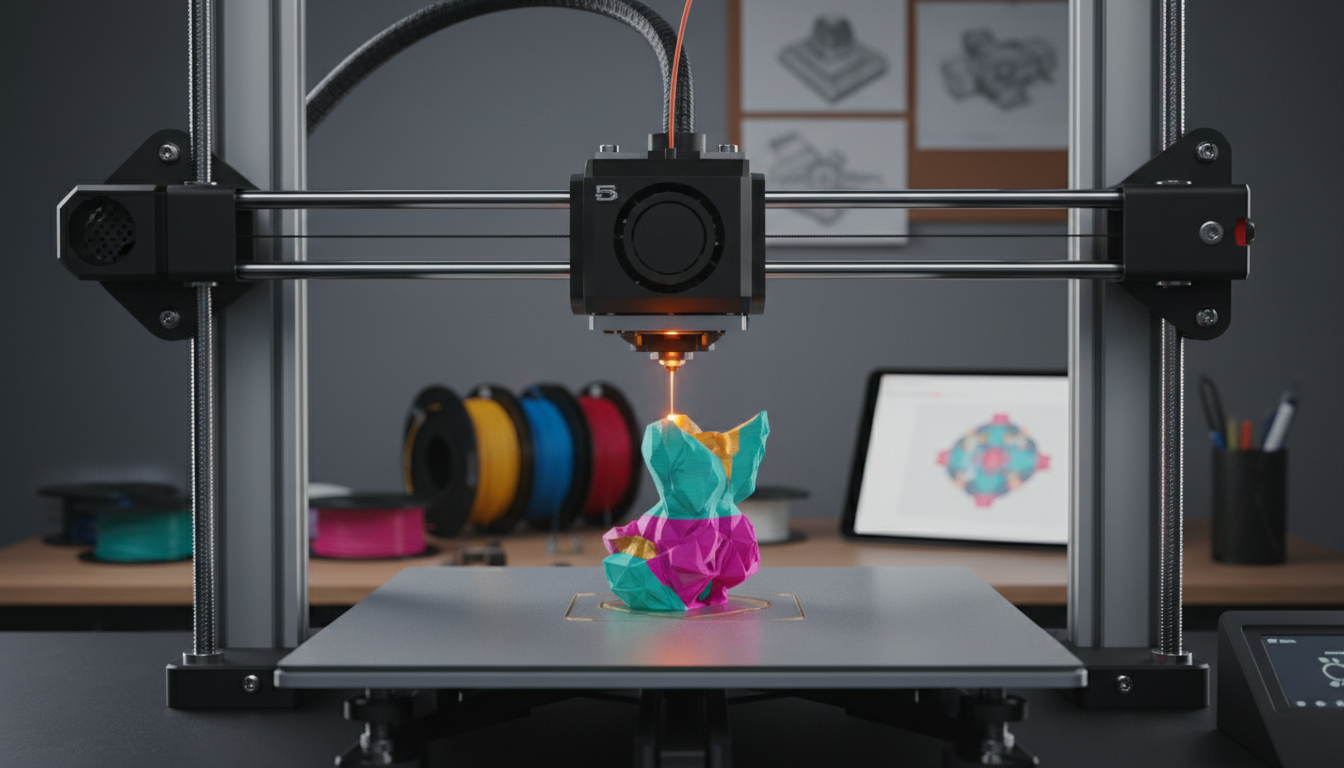
PETG, or Polyethylene Terephthalate Glycol, is a thermoplastic polymer known for its excellent strength and flexibility. It's a popular choice for 3D printing due to its ease of use and versatility. PETG is often chosen for projects that require robustness and a certain degree of flexibility.
Advantages of PETG
Some key advantages of PETG include:
- Transparency: PETG offers a glossy finish, making it ideal for applications where aesthetics are important.
- Durability: It is resistant to impact and wear, making it suitable for long-lasting components.
- Chemical Resistance: PETG can withstand a range of chemicals, adding to its versatility.
Exploring ABS
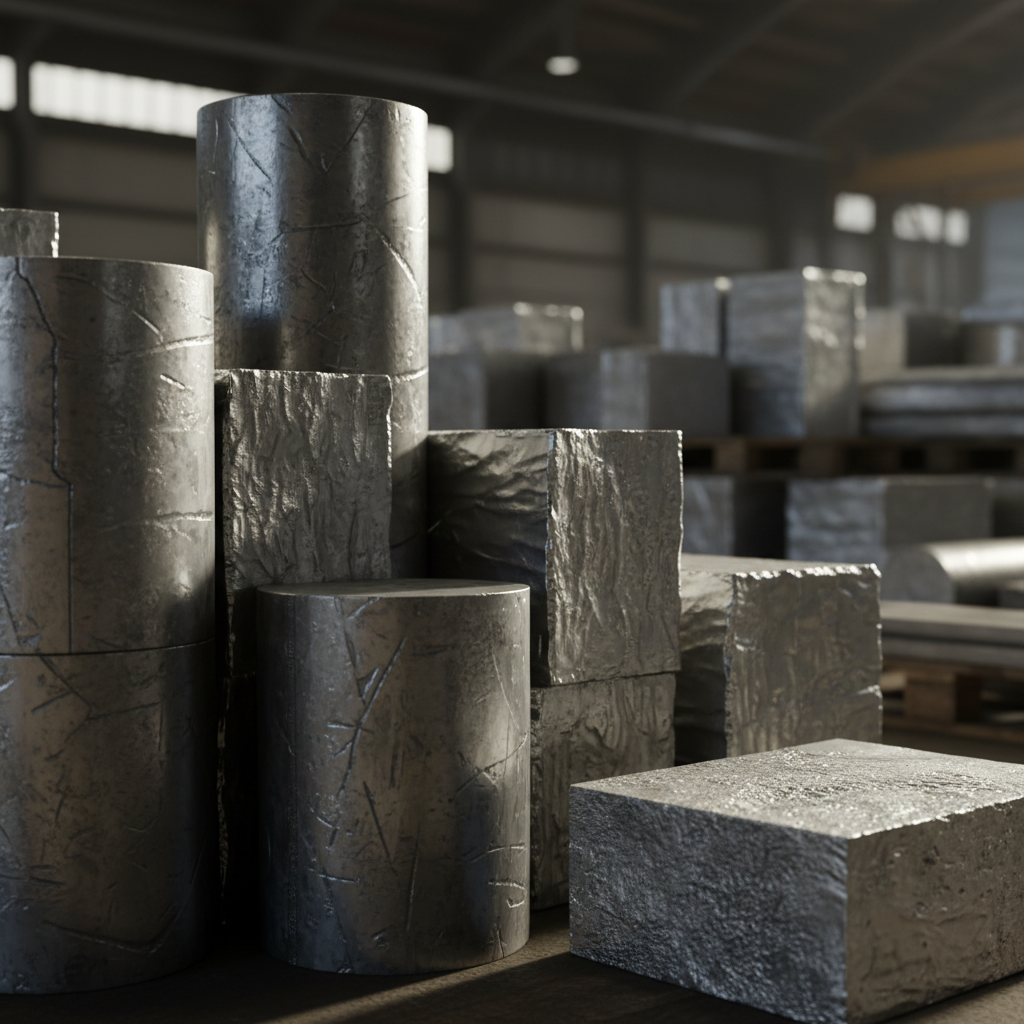
ABS, or Acrylonitrile Butadiene Styrene, is another widely used thermoplastic in 3D printing. Known for its toughness, ABS is often used in products that need to withstand higher temperatures and physical stress.
Advantages of ABS
ABS offers several benefits, including:
- Strength: It provides excellent mechanical strength and can endure significant wear and tear.
- Heat Resistance: ABS can withstand higher temperatures, making it ideal for parts exposed to heat.
- Cost-Effectiveness: Generally, ABS is more affordable than many other materials, making it a budget-friendly option.
Comparing PETG and ABS
When choosing between PETG and ABS, consider the specific requirements of your project. Here are some factors to consider:
- Application Environment: If your project will be exposed to heat or harsh environments, ABS might be the better choice.
- Aesthetic Needs: For projects where appearance is key, PETG’s glossy finish can be advantageous.
- Printing Ease: PETG is generally easier to print with and less prone to warping than ABS.
Conclusion
Both PETG and ABS have unique properties that make them suitable for different applications in 3D printing. By carefully considering the specific needs of your project, including environmental exposure, aesthetic preferences, and ease of printing, you can select the material that best fits your requirements. Whether you choose the glossy, flexible PETG or the strong, heat-resistant ABS, understanding these materials will enhance your 3D printing endeavors.