
Prototyping with PLA for Early Product Development: Tips and Techniques
In the fast-paced world of product development, speed and efficiency can make all the difference. One tool that has revolutionized early-stage prototyping is PLA, or polylactic acid, a type of biodegradable plastic commonly used in 3D printing. Known for its ease of use and affordability, PLA offers a practical solution for designers and engineers looking to turn ideas into tangible objects quickly.
What is PLA?
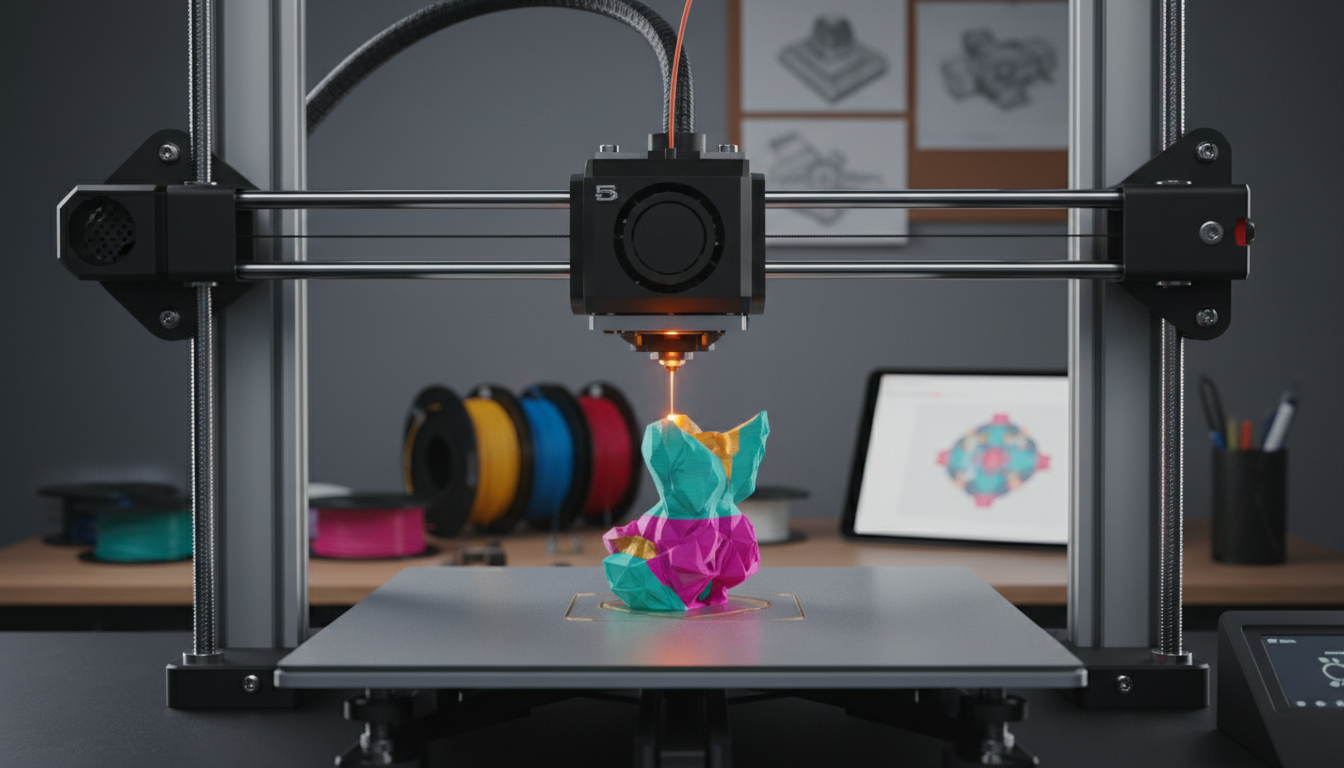
PLA is a thermoplastic derived from renewable resources like corn starch or sugarcane. It is favored in the 3D printing community for its environmentally friendly properties and relatively low melting point, making it easy to work with. PLA is ideal for creating prototypes that need to showcase form and fit, though it may not be suitable for functional testing due to its brittleness.
Another advantage of PLA is its wide color range, allowing for visually accurate models. This diversity enables designers to experiment with aesthetics early in the development process without additional costs.
Benefits of Prototyping with PLA
Prototyping with PLA offers several benefits that can significantly enhance early product development. Here are some key advantages:
- Cost-Effectiveness: PLA is one of the most affordable materials available for 3D printing, making it accessible for startups and small businesses.
- Ease of Use: With a lower melting point and minimal warping, PLA is user-friendly, even for beginners.
- Biodegradability: As an eco-friendly material, PLA aligns with sustainable development goals.

Techniques for Effective PLA Prototyping
To maximize the potential of PLA in prototyping, employing certain techniques can lead to more successful outcomes. Here are some tips:
Choose the Right Printer Settings
Setting your 3D printer correctly is crucial. Optimal settings for PLA generally include a nozzle temperature between 180-220°C and a bed temperature of 60°C. Adjusting the print speed can also make a difference; slower speeds often result in higher detail.
Post-Processing for Improved Quality
Post-processing can enhance the final appearance of PLA prototypes. Techniques such as sanding, painting, or acetone smoothing can help achieve a polished finish. These steps are essential when presenting prototypes to stakeholders or potential investors.
Challenges and Considerations
While PLA has many advantages, it's important to be aware of its limitations. Its low heat resistance means it’s not suitable for high-temperature environments. Additionally, PLA can be brittle, making it less ideal for parts that require flexibility or durability.
When designing prototypes, consider the end-use of the product. If the prototype needs to undergo rigorous testing, alternative materials like ABS or nylon might be more appropriate despite their higher cost and complexity.
Conclusion
PLA is a valuable tool in the prototyping phase of product development, offering a balance of affordability, ease of use, and environmental benefits. By understanding its properties and leveraging the right techniques, designers and engineers can effectively bring their concepts to life, setting the stage for further development and eventual production.