
Success Story: Revolutionizing Production with SLS Nylon PA12
Introduction to SLS Nylon PA12
In the world of modern manufacturing, innovation is key. One standout in recent advancements is Selective Laser Sintering (SLS) with Nylon PA12. This technology has transformed production processes across industries, offering unparalleled benefits such as precision, flexibility, and cost-effectiveness. Companies embracing this material and method are setting new benchmarks in efficiency and quality.
What is SLS Nylon PA12?
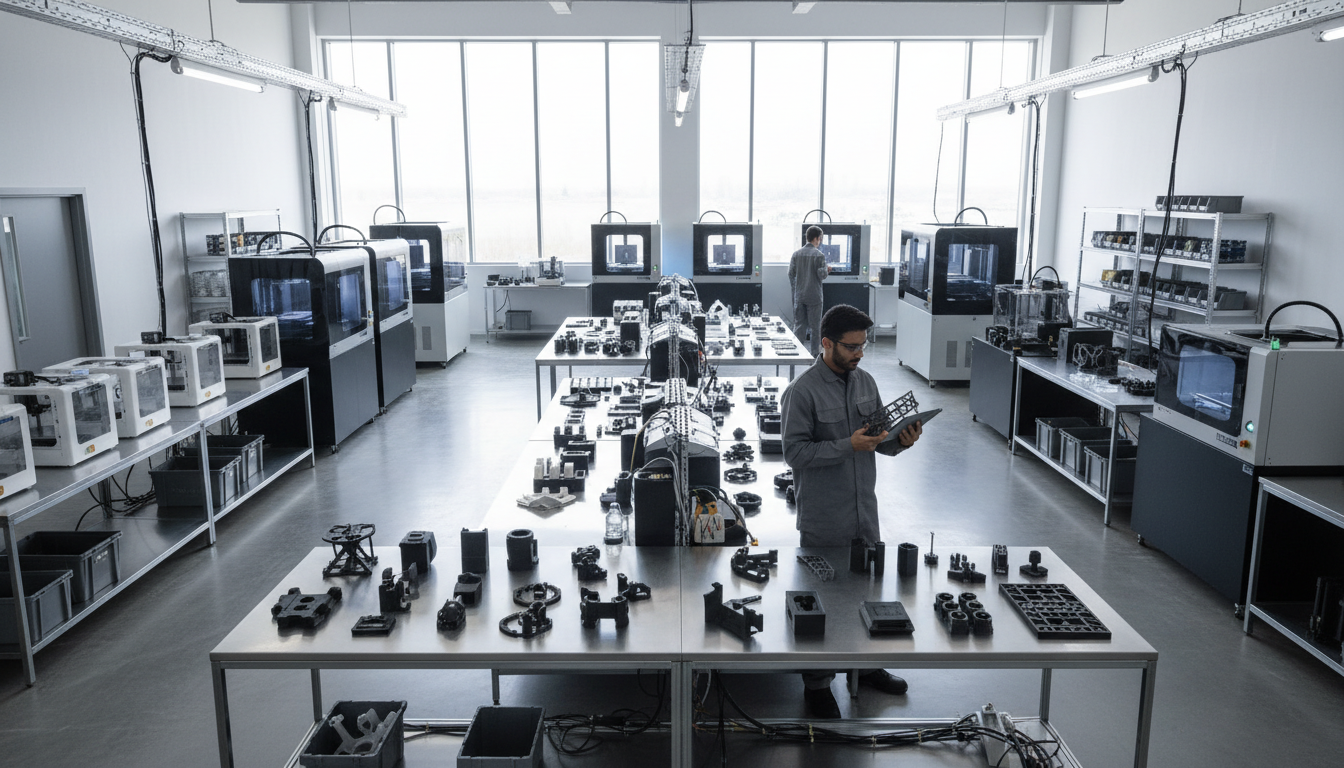
SLS is an additive manufacturing technique that uses a laser to sinter powdered material, binding it together to create a solid structure. Nylon PA12, a polyamide, is the preferred material for this process due to its strength, durability, and versatility. The combination of SLS and Nylon PA12 results in robust and complex components that can withstand rigorous use.
Advantages of SLS Nylon PA12
The use of SLS Nylon PA12 in production offers numerous advantages:
- High Durability: Products made with Nylon PA12 are resistant to wear and impact.
- Design Flexibility: Complex geometries can be achieved without the constraints of traditional manufacturing.
- Cost Efficiency: Reduces material waste and eliminates the need for molds, lowering production costs.

Real-World Applications
The adoption of SLS Nylon PA12 is revolutionizing various industries. In aerospace, it is used to produce lightweight, yet strong components that improve fuel efficiency. The automotive sector benefits from its ability to create functional prototypes and custom parts quickly. Additionally, the medical field utilizes this technology for patient-specific implants and devices.
Case Study: Automotive Industry
One notable success story comes from an automotive manufacturer that integrated SLS Nylon PA12 into their prototyping phase. By doing so, they reduced the development time of new models by 50%, allowing for faster market entry. This efficiency not only cut costs but also enhanced their competitive edge.

Environmental Impact
In addition to its economic benefits, SLS with Nylon PA12 contributes positively to sustainability efforts. The process minimizes waste through precise material usage and offers potential for recycling excess powder. This aligns with the growing demand for eco-friendly manufacturing solutions.
Future Prospects
The potential of SLS Nylon PA12 is vast. As technology evolves, its applications are expected to expand further. Innovations in material science could lead to even more resilient variations, opening doors to new industries and uses. Companies investing in this technology are likely to remain at the forefront of industrial advancements.

Conclusion
The success stories surrounding SLS Nylon PA12 illustrate the profound impact of this technology on production methodologies. Its ability to produce high-quality, durable, and cost-effective components makes it a valuable asset in modern manufacturing. As industries continue to seek ways to innovate and remain competitive, embracing such advanced technologies will be crucial.