
The Benefits of SLS 3D Printing in Contract Manufacturing
Introduction to SLS 3D Printing
Selective Laser Sintering (SLS) 3D printing is revolutionizing the field of contract manufacturing. This advanced technology employs a laser to sinter powdered material, fusing it into a solid structure based on a 3D model. SLS 3D printing offers numerous advantages, making it an ideal choice for manufacturers looking to optimize production processes.
Enhanced Design Flexibility
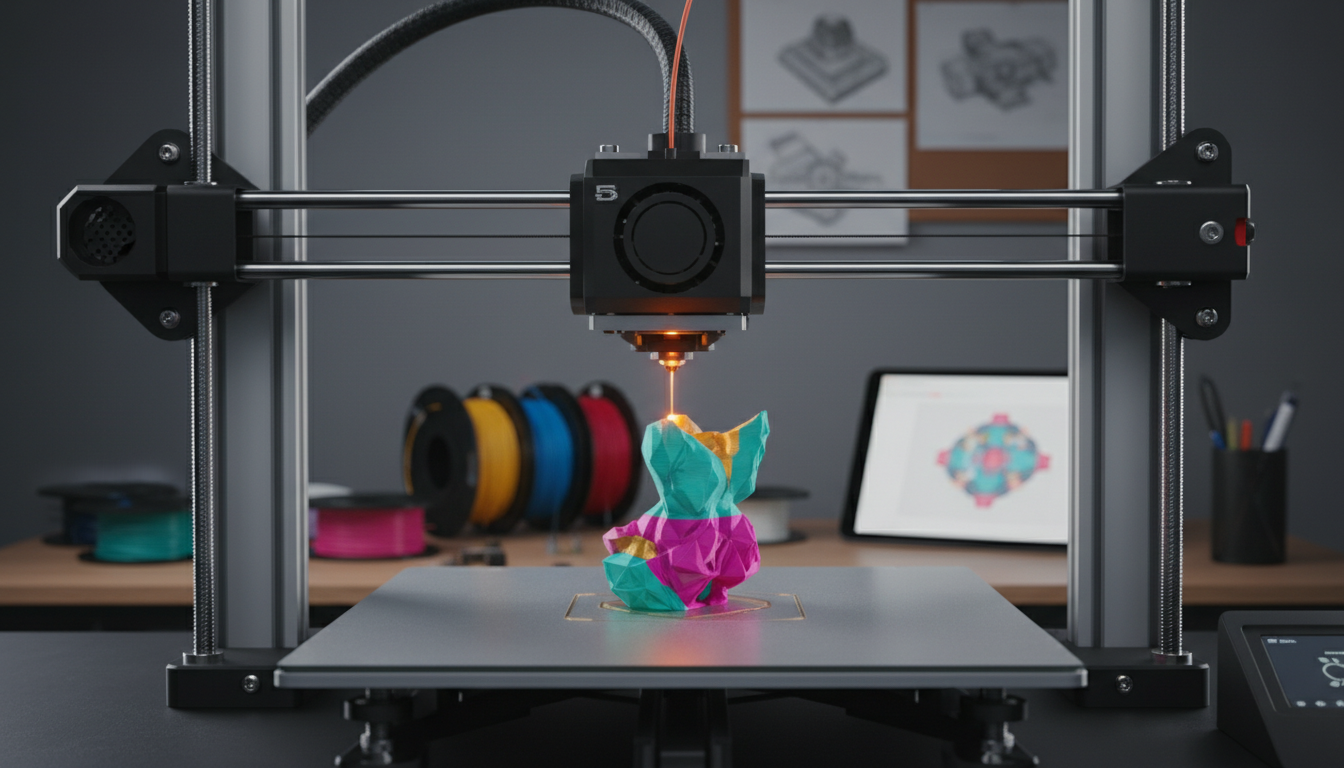
One of the most significant benefits of SLS 3D printing is the unparalleled design flexibility it offers. Manufacturers can create complex geometries and intricate designs that would be challenging or impossible with traditional manufacturing methods. This flexibility allows for rapid prototyping and iteration, enabling designers to refine their products efficiently.
Furthermore, SLS technology supports a wide variety of materials, including plastics and metals, expanding the possibilities for innovative product designs. This capability is particularly beneficial for industries such as aerospace, automotive, and medical devices, where precision and customization are crucial.
Cost-Effective Production
SLS 3D printing can significantly reduce production costs, especially for small to medium-sized batches. Unlike conventional manufacturing, which often requires expensive molds or tooling, SLS does not incur these setup costs. This reduction in overhead makes it an attractive option for startups and businesses looking to minimize expenses.
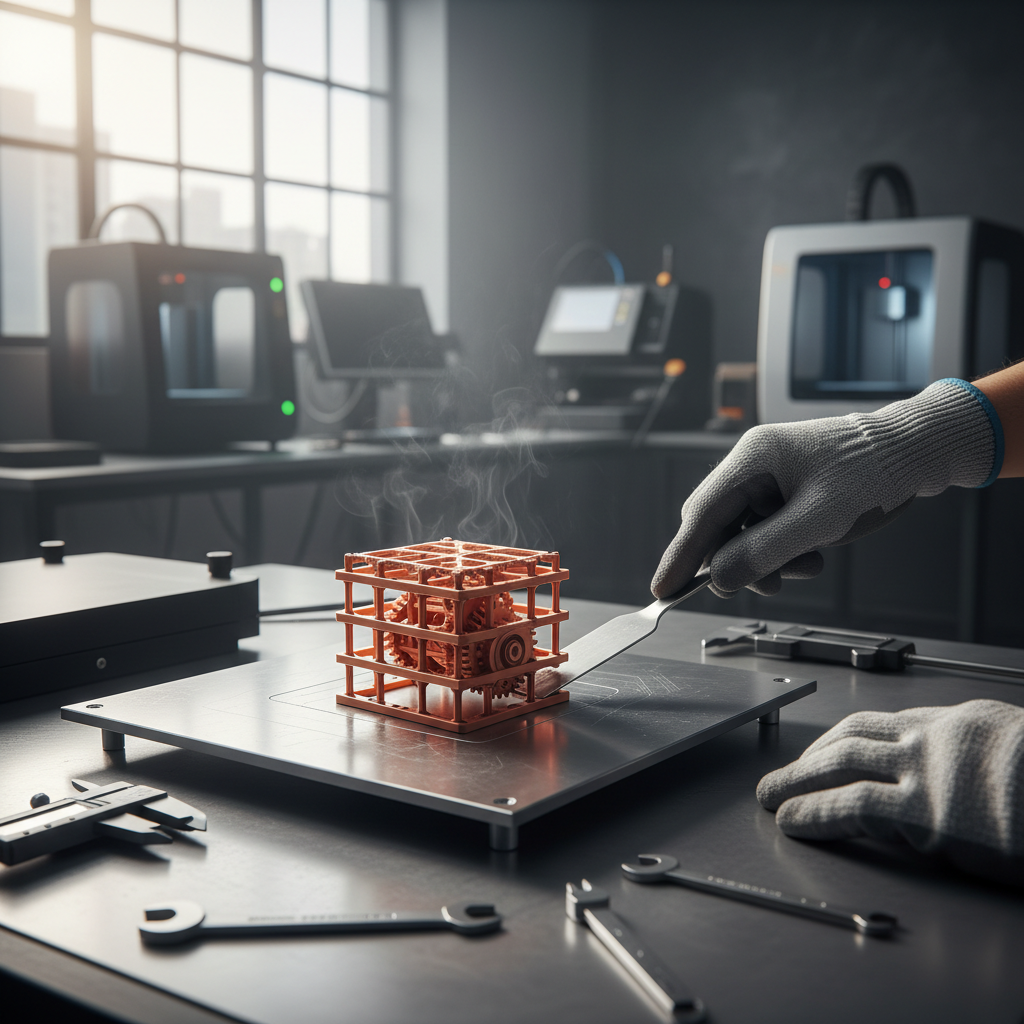
Additionally, the additive nature of SLS printing means that material waste is minimized. Only the necessary material is used to build the object, making it an environmentally friendly and cost-effective solution.
Speed and Efficiency
The speed of SLS 3D printing is another compelling advantage. Traditional manufacturing processes can be time-consuming, particularly when creating complex parts. SLS technology streamlines this process, allowing for rapid production cycles. This efficiency is essential for businesses aiming to reduce time-to-market and stay competitive.
Moreover, the ability to produce parts on-demand reduces the need for large inventories, further enhancing operational efficiency. This aspect is particularly beneficial for contract manufacturers who need to adapt quickly to changing client demands.
High-Quality Parts
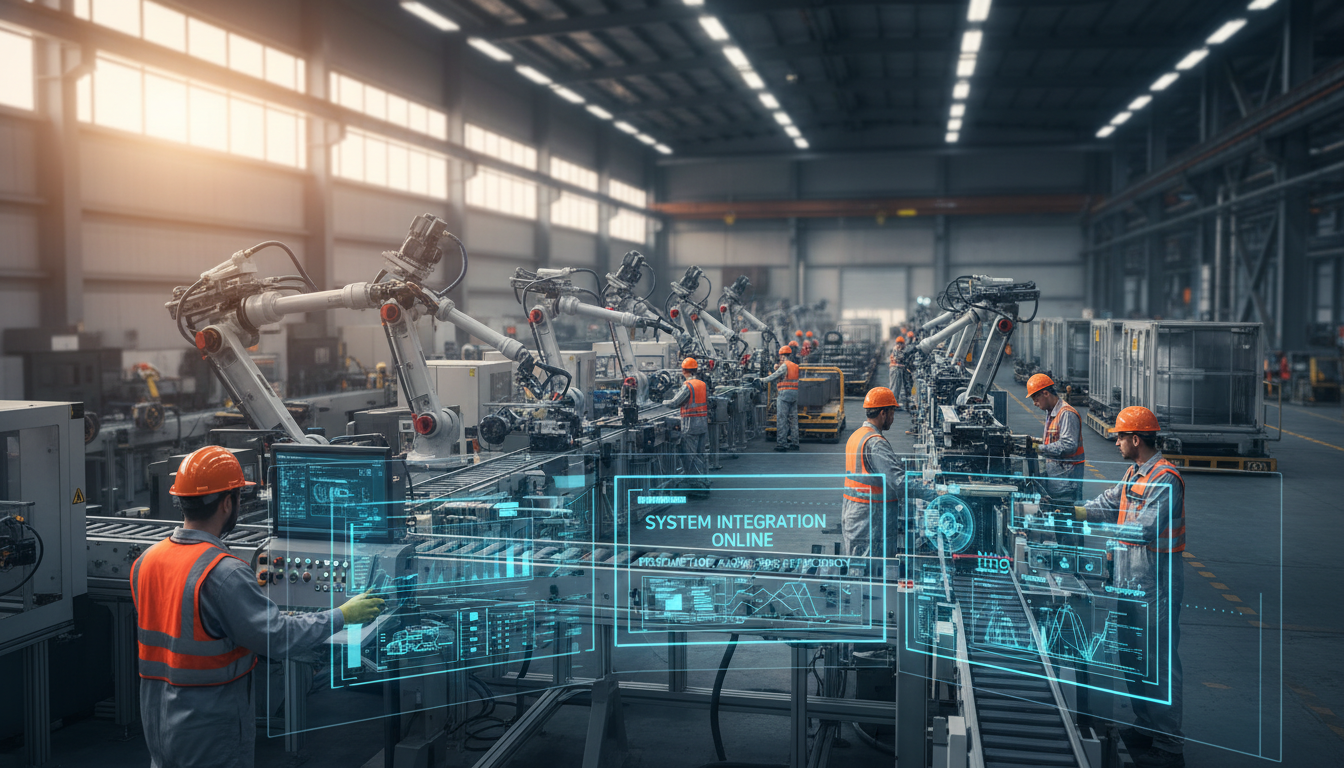
SLS 3D printing produces high-quality parts with excellent mechanical properties. The finished products are durable and can withstand rigorous use, making them suitable for functional testing and end-use applications. This quality assurance is crucial for manufacturers who rely on consistent performance and reliability in their products.
Conclusion
In conclusion, SLS 3D printing offers numerous benefits for contract manufacturing, from enhanced design flexibility and cost-effectiveness to speed and high-quality production. As technology continues to evolve, it is poised to play an increasingly vital role in the future of manufacturing, providing businesses with the tools they need to innovate and succeed.