
The Future of 3D Printing: Trends Every Engineer Should Know
Introduction to 3D Printing
The realm of 3D printing is evolving at an unprecedented pace, offering engineers endless possibilities. As we look towards the future, several trends are emerging that every engineer should be keenly aware of. These innovations not only promise to revolutionize industries but also reshape how we approach design and manufacturing.
Advancements in Materials
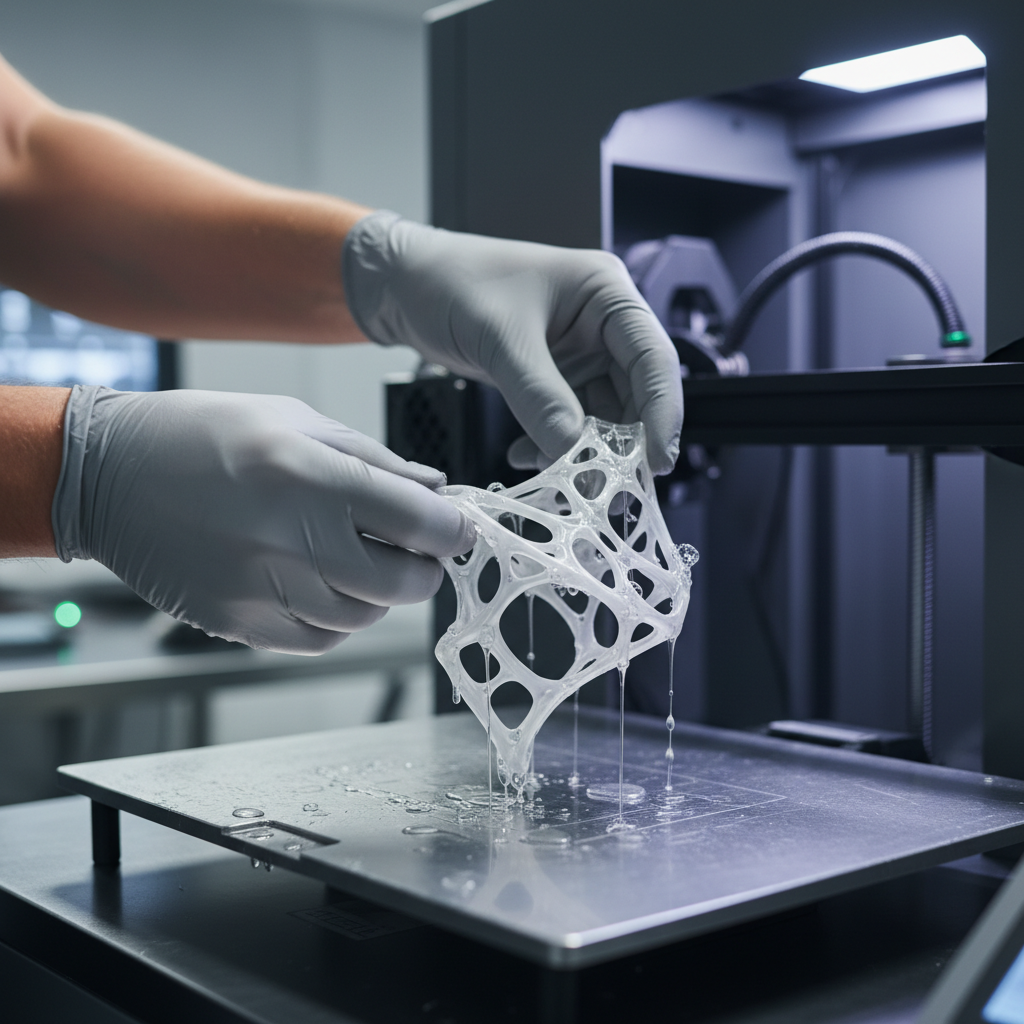
One of the most significant advancements in 3D printing is the development of new materials. Engineers can now work with a variety of options beyond traditional plastics. Metals, ceramics, and even bio-materials are becoming more accessible, allowing for diverse applications in fields like aerospace and medicine.
Metals and Alloys
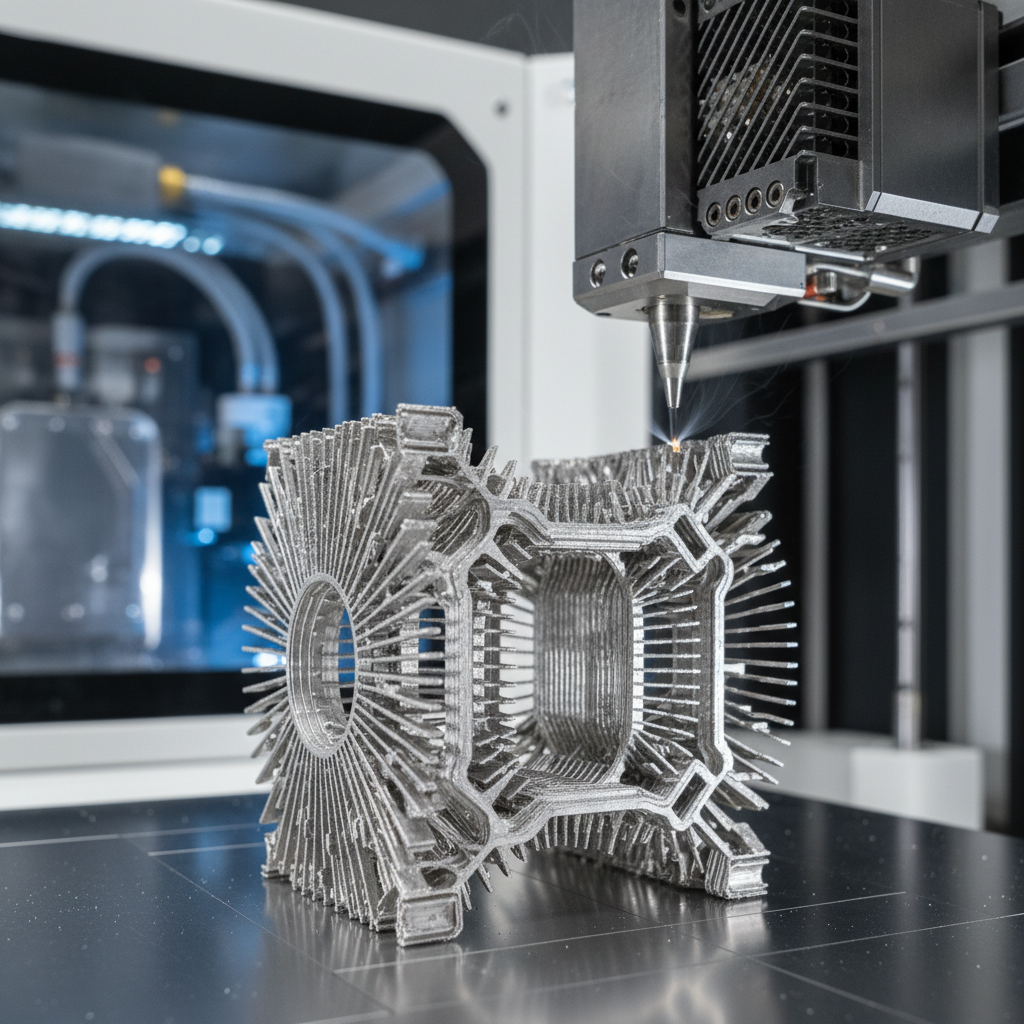
The introduction of metals and alloys in 3D printing has opened doors to creating stronger and more durable components. Engineers can now design complex structures that were previously impossible, pushing the boundaries of innovation.
Speed and Efficiency
As technology advances, 3D printing is becoming faster and more efficient. New techniques such as continuous liquid interface production (CLIP) and fused filament fabrication (FFF) are drastically reducing production times. This efficiency is critical for industries that require rapid prototyping and quick turnaround times.
Automation in 3D Printing
Automation is playing a pivotal role in enhancing the speed of 3D printing processes. Automated systems can now manage multiple printers simultaneously, optimizing workflow and reducing human intervention. This trend is particularly beneficial for large-scale manufacturing operations.
Customization and Personalization
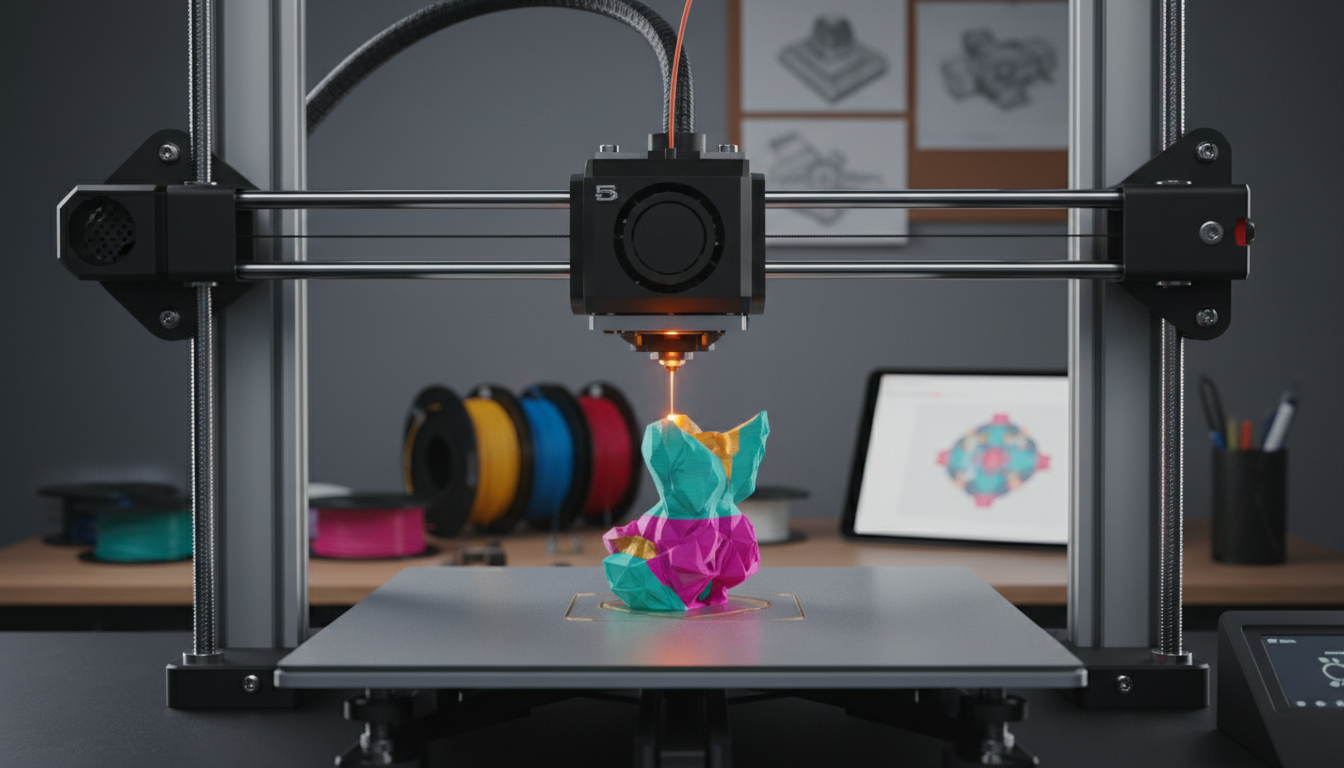
The future of 3D printing is highly personalized. Engineers can create custom products tailored to individual needs, from bespoke medical implants to personalized consumer products. This level of customization is revolutionizing industries by meeting specific consumer demands.
Impact on Healthcare
In healthcare, 3D printing is transforming patient care. Personalized prosthetics, dental implants, and even organ models are becoming more common, enhancing the precision and effectiveness of medical treatments.
Sustainability and Eco-Friendly Practices
As environmental concerns grow, 3D printing is stepping up with sustainable solutions. Many companies are developing eco-friendly materials and processes to reduce waste, making 3D printing a greener alternative to traditional manufacturing.
Recycled Materials
Innovations in recycled materials are playing a crucial role in sustainability. Engineers are now able to use recycled plastics and other materials in 3D printing, reducing the environmental impact and promoting a circular economy.
Conclusion
The future of 3D printing is bright and full of potential. With advancements in materials, speed, customization, and sustainability, engineers have an array of tools at their disposal to innovate and create. Staying informed about these trends will be crucial for any engineer looking to thrive in this rapidly evolving landscape.