
Top 5 Mistakes to Avoid in Rapid Prototyping and Low Volume Production
Understanding Rapid Prototyping and Low Volume Production
In today's fast-paced market, rapid prototyping and low volume production are essential strategies for businesses looking to innovate and bring products to market quickly. These processes allow companies to test ideas, identify issues early, and adapt rapidly to changing consumer needs. However, several common mistakes can hinder success in these areas.

1. Overlooking the Importance of Design for Manufacturability
One of the biggest pitfalls is neglecting to consider design for manufacturability (DFM) during the early stages. A design that looks great on paper may encounter numerous challenges during production. It's crucial to involve manufacturing experts early in the design process to ensure that prototypes can be easily and cost-effectively produced in larger quantities.
Failure to do so can lead to increased costs and delays. By integrating DFM principles, you can streamline production and enhance overall product quality.
2. Ignoring Material Selection
Choosing the wrong materials can have significant consequences on the functionality and durability of your product. It's essential to select materials that align with the product's intended use and environment. Consider factors such as strength, flexibility, and temperature resistance.

Collaborating with material specialists can provide valuable insights and help avoid costly mistakes. This ensures that your prototype not only meets design specifications but also performs well in real-world conditions.
3. Skipping Thorough Testing
In the rush to market, some companies may bypass comprehensive testing. This can be a critical error, as testing is vital for identifying design flaws and ensuring product reliability. Implementing rigorous testing protocols helps catch issues before full-scale production, saving time and resources in the long run.
Investing in testing not only improves product performance but also boosts customer satisfaction and brand reputation.
4. Underestimating the Role of Feedback
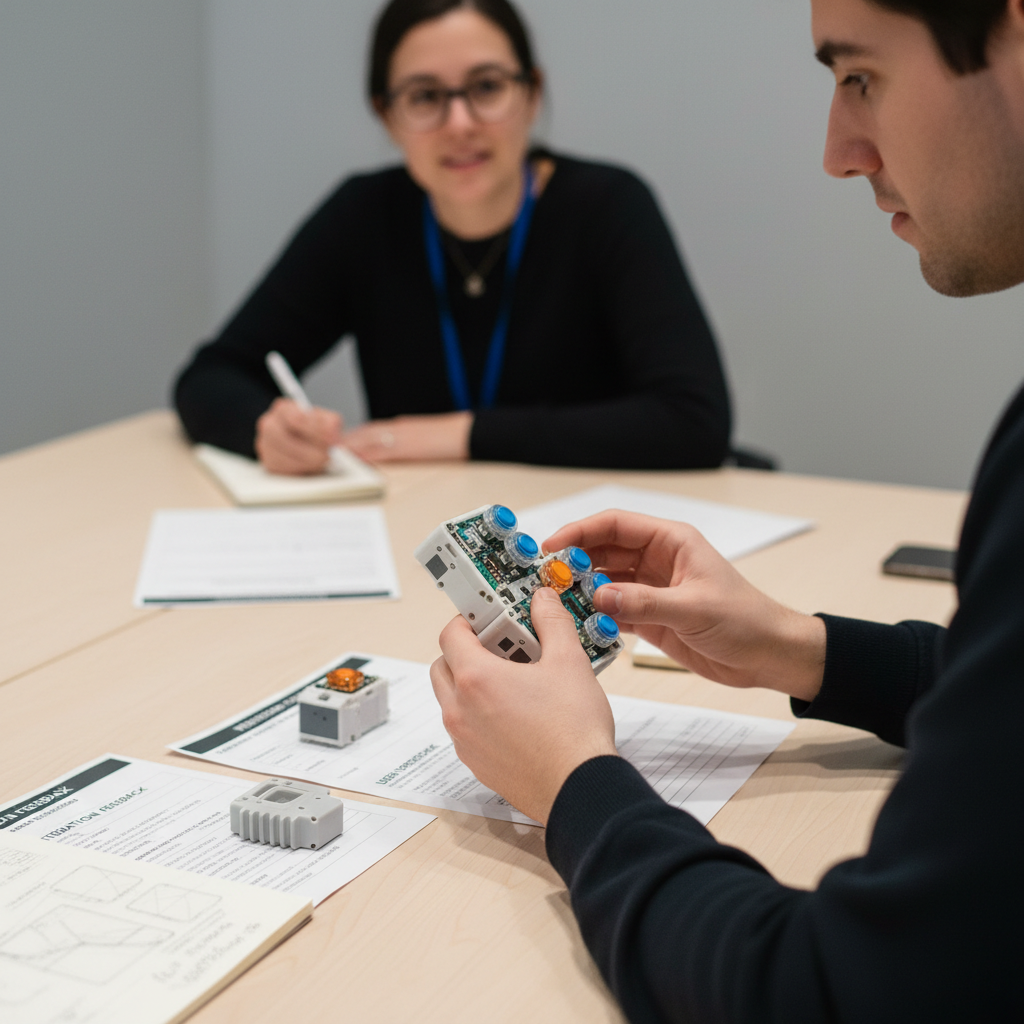
Feedback is invaluable during the prototyping phase. It provides real-world insights that can drive design improvements. Engaging with stakeholders, including customers, engineers, and marketers, helps refine the product to better meet market demands.
Ignoring feedback can result in products that miss the mark, leading to wasted effort and financial loss. Embrace feedback as a tool for continuous improvement.
5. Mismanaging Time and Resources
Effective time and resource management are critical to successful prototyping and production. Many businesses fall into the trap of underestimating the complexity of the process, leading to rushed timelines and resource overextension.

Developing a realistic timeline and budget, while allowing for flexibility, can help avoid unnecessary stress and setbacks. A well-organized approach ensures that projects stay on track and meet desired outcomes.
Conclusion
Avoiding these common mistakes in rapid prototyping and low volume production can lead to more successful product launches and a competitive edge in the market. By focusing on design, material selection, testing, feedback, and resource management, companies can streamline their processes and deliver high-quality products efficiently.