
Top Engineering Applications for SLS 3D Printing
The Rise of SLS 3D Printing in Engineering
Selective Laser Sintering (SLS) 3D printing has revolutionized the engineering landscape by providing a versatile and efficient method for creating complex structures. By using a high-powered laser to fuse small particles of polymer powder, SLS allows for the creation of detailed and durable parts.
Prototyping and Product Development
One of the primary applications of SLS 3D printing in engineering is in prototyping and product development. Engineers can quickly produce prototypes that closely mimic the final product, both in form and function. This allows for rapid iterations and testing, significantly accelerating the development cycle.
The ability to create functional prototypes means that engineers can test design concepts thoroughly before committing to mass production. This reduces costs and minimizes the risk of errors, making it an invaluable tool in the product development process.
Custom Tooling and Parts Production
SLS 3D printing is also widely used for creating custom tooling and manufacturing aids. Traditional tooling methods can be expensive and time-consuming, but SLS offers a faster and more cost-effective alternative. Engineers can design and produce customized tools tailored to specific tasks or parts, enhancing manufacturing efficiency.
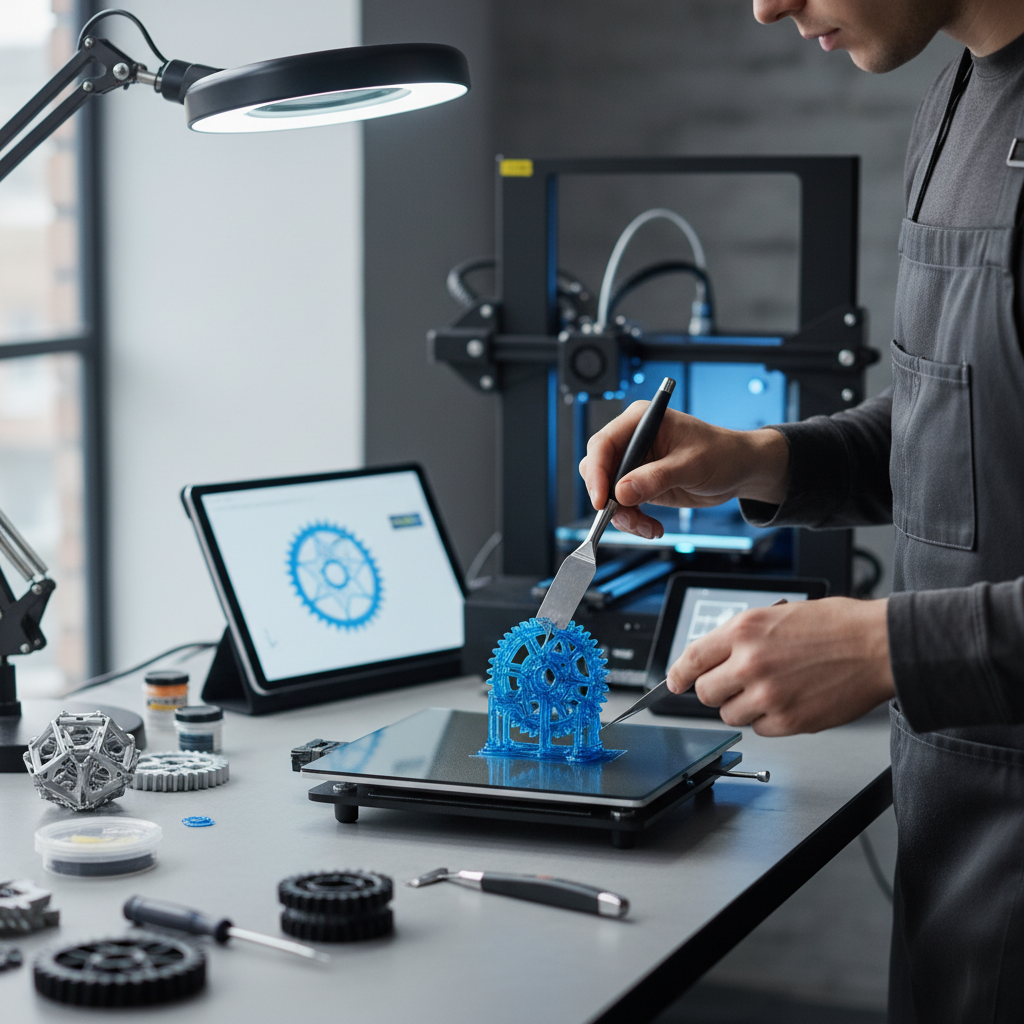
Additionally, SLS can be used to manufacture end-use parts, especially when dealing with complex geometries that are difficult to achieve with conventional methods. This opens up new possibilities for producing lightweight and high-strength components for various industries.
Applications in Aerospace and Automotive Sectors
The aerospace and automotive industries have embraced SLS 3D printing for its ability to produce lightweight yet robust components. In aerospace, reducing weight is crucial for improving fuel efficiency and performance. SLS allows engineers to design intricate lattice structures that maintain strength while minimizing weight.
Similarly, in the automotive industry, SLS is used to create custom parts that enhance vehicle performance. The technology enables the production of complex shapes that improve aerodynamics and reduce overall vehicle weight, leading to better fuel efficiency and performance.
Medical and Healthcare Innovations
The medical field also benefits from SLS 3D printing, particularly in the creation of customized implants and prosthetics. Engineers can design patient-specific solutions that improve comfort and functionality. The precision of SLS ensures that these medical devices fit perfectly, enhancing patient outcomes.
Furthermore, SLS is used to produce surgical guides and models, aiding surgeons in planning and executing complex procedures with greater accuracy.
Future Prospects and Developments
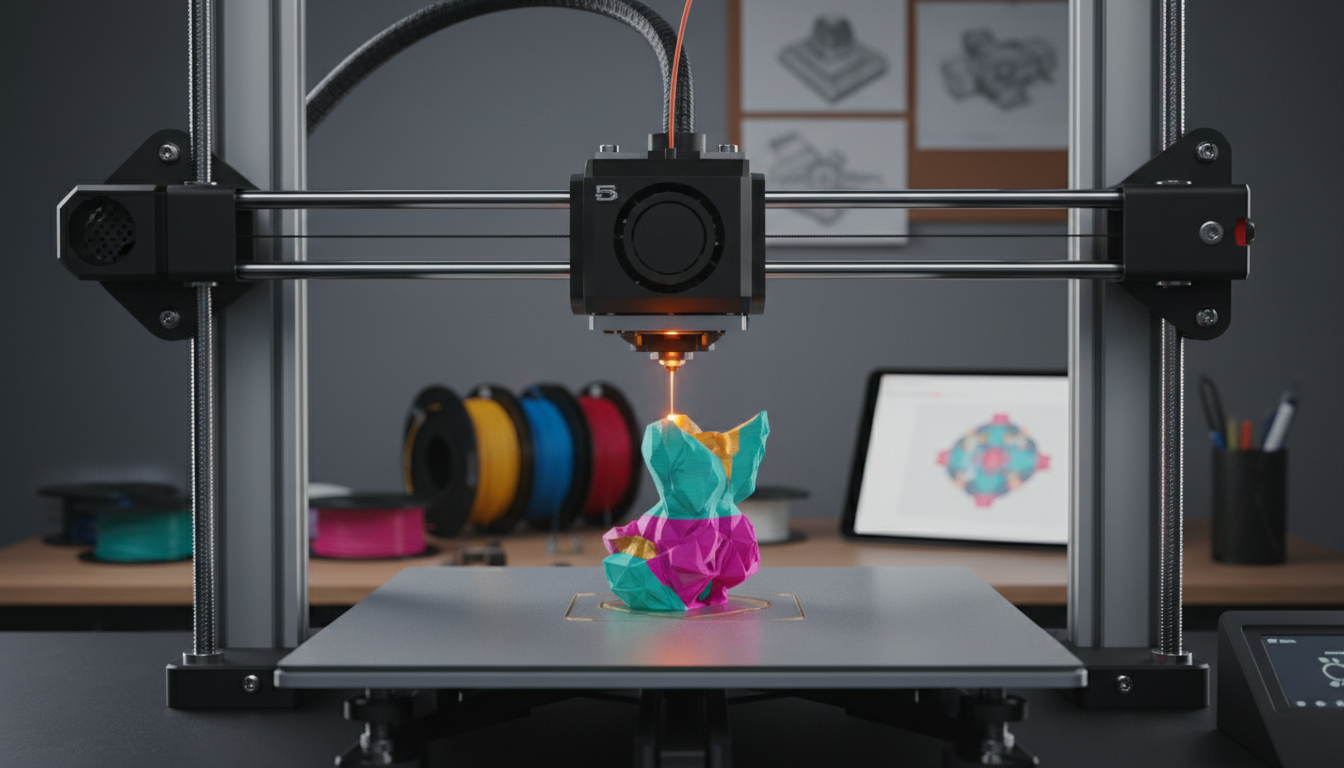
The future of SLS 3D printing in engineering looks promising, with ongoing advancements in materials and technology. Researchers are exploring the use of new materials that could further expand the capabilities of SLS, making it applicable to even more industries.
As the technology continues to evolve, SLS 3D printing is likely to become an integral part of engineering processes, driving innovation and efficiency across various sectors.