
Understanding Rapid Prototyping vs. Low Volume Production in 3D Printing
Introduction to Rapid Prototyping and Low Volume Production
In the dynamic world of 3D printing, understanding the difference between rapid prototyping and low volume production can significantly impact the development process. Both approaches offer unique advantages, but they serve distinct purposes in the product lifecycle.
What is Rapid Prototyping?
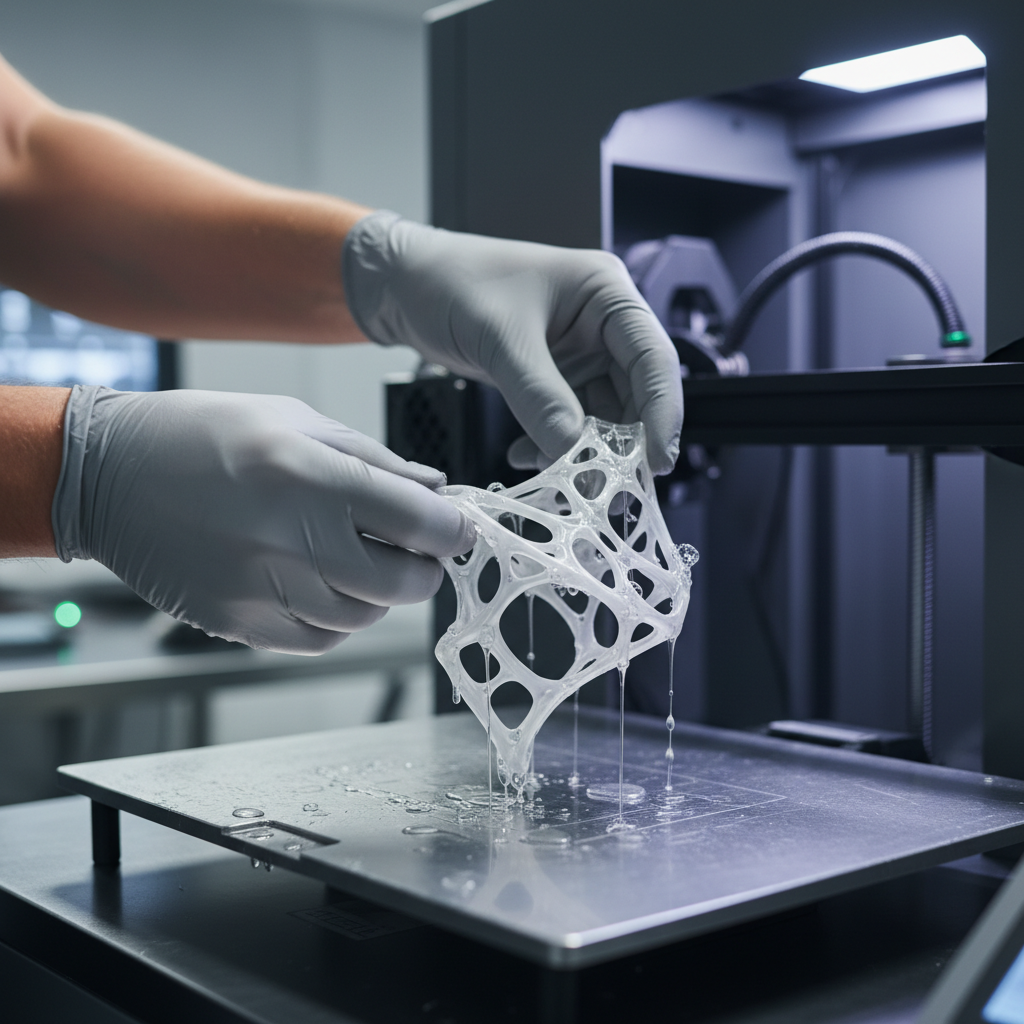
Rapid prototyping is a process used to quickly fabricate a scale model of a physical part or assembly using three-dimensional computer-aided design (CAD) data. It's a crucial step in the development phase, allowing designers to test and refine their concepts efficiently. This method is particularly beneficial for discovering design flaws early, reducing time and costs associated with product development.
Several techniques are employed in rapid prototyping, including stereolithography (SLA), selective laser sintering (SLS), and fused deposition modeling (FDM). These techniques enable the creation of highly detailed and accurate prototypes, which can be used for testing form, fit, and function.
Advantages of Rapid Prototyping
One of the most significant advantages of rapid prototyping is its speed. By quickly producing prototypes, businesses can accelerate their product development cycles. This agility allows companies to stay competitive and responsive to market demands.
- Cost-Effective: Reduces the cost of product development by identifying design flaws early.
- Iterative Testing: Facilitates multiple iterations and testing without significant financial impact.
- Enhanced Communication: Provides a tangible product for stakeholders to review and provide feedback.
Understanding Low Volume Production
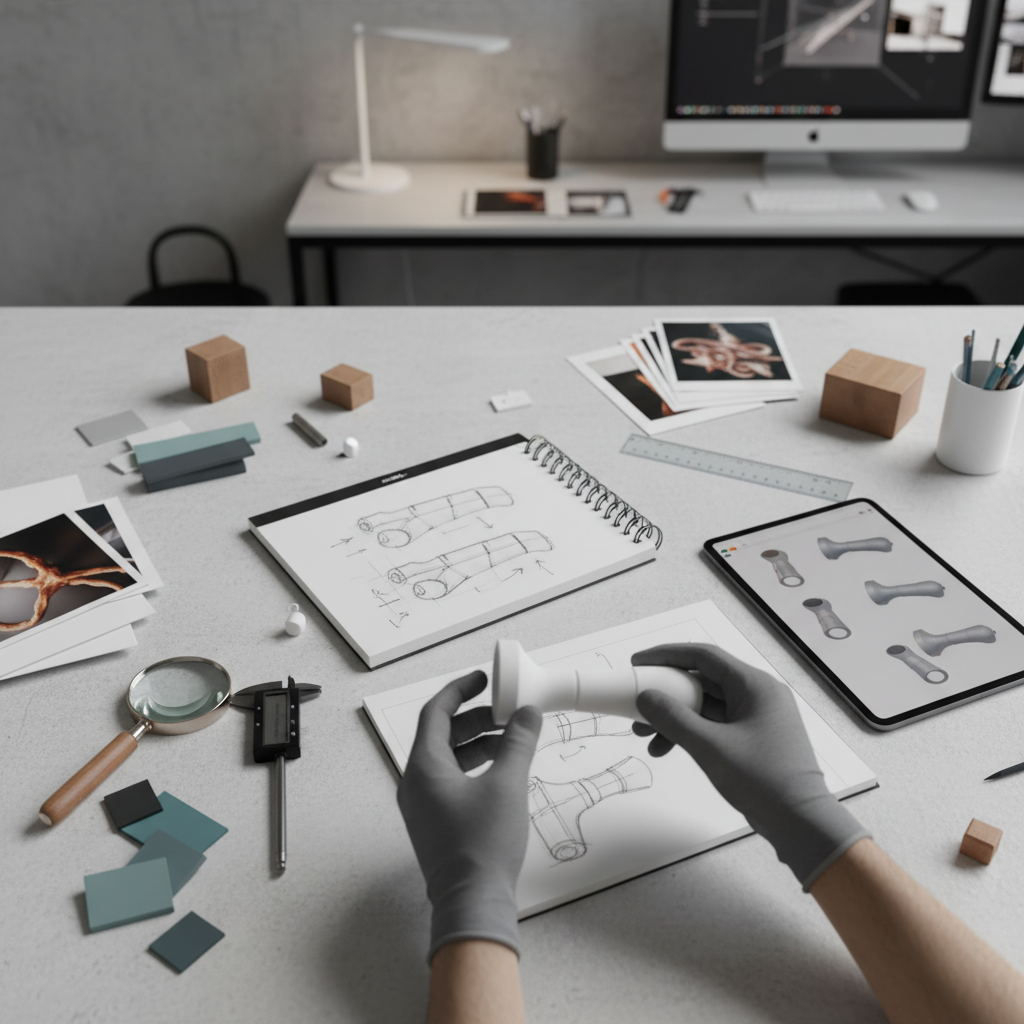
Low volume production, on the other hand, is the process of manufacturing a small number of products, typically ranging from 50 to a few thousand units. This approach is ideal for market testing, limited edition products, or when demand forecasts are uncertain.
In 3D printing, low volume production leverages the same technologies used in rapid prototyping but focuses on producing end-use parts. This means that the printed parts are ready for market use, meeting the necessary quality and durability standards.
Benefits of Low Volume Production
Low volume production offers several advantages, especially for startups and small businesses. It allows companies to enter the market without the need for large-scale manufacturing investments.
- Flexibility: Easily adapt to design changes and market feedback without incurring major costs.
- Reduced Risk: Minimize financial risk by producing only what is needed.
- Customization: Offer personalized products to cater to specific customer needs.

Choosing Between Rapid Prototyping and Low Volume Production
When deciding between rapid prototyping and low volume production, consider the stage of your product development and your specific needs. Rapid prototyping is best for early-stage testing and development, while low volume production is suited for initial market entry and niche product offerings.
Both methods are integral to modern manufacturing, allowing businesses to innovate and adapt quickly. By understanding their distinct benefits, you can better align your production strategy with your business goals.