Understanding SLS 3D Printing: A Comprehensive Guide for Engineers
Introduction to SLS 3D Printing
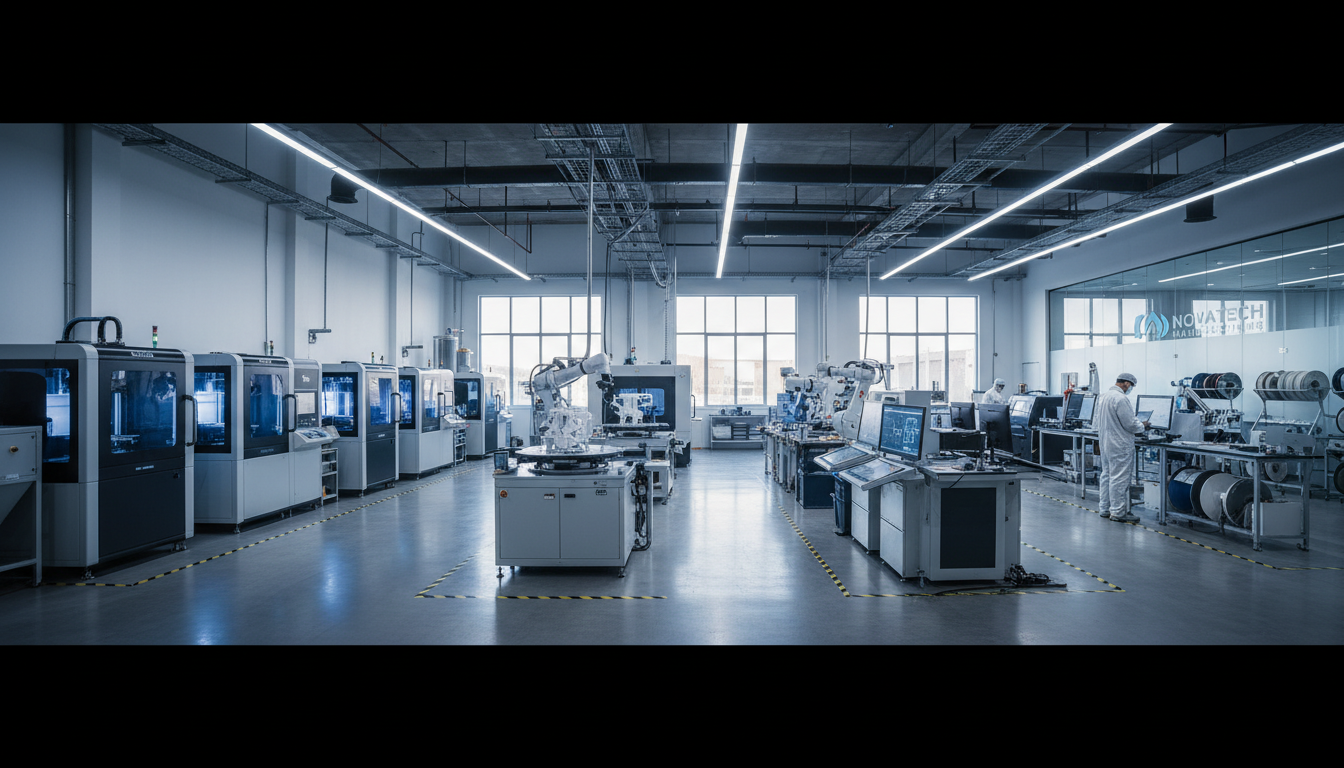
SLS stands for Selective Laser Sintering, a popular 3D printing technology widely used in engineering and manufacturing. This method utilizes a laser to sinter powdered material, binding it together to create intricate, durable parts. Engineers favor SLS for its ability to produce complex geometries without the need for support structures.
SLS 3D printing is renowned for its versatility and efficiency, making it ideal for producing functional prototypes and end-use parts. Its ability to work with a range of materials, including plastics, metals, and ceramics, further enhances its appeal in various industries.
How SLS 3D Printing Works
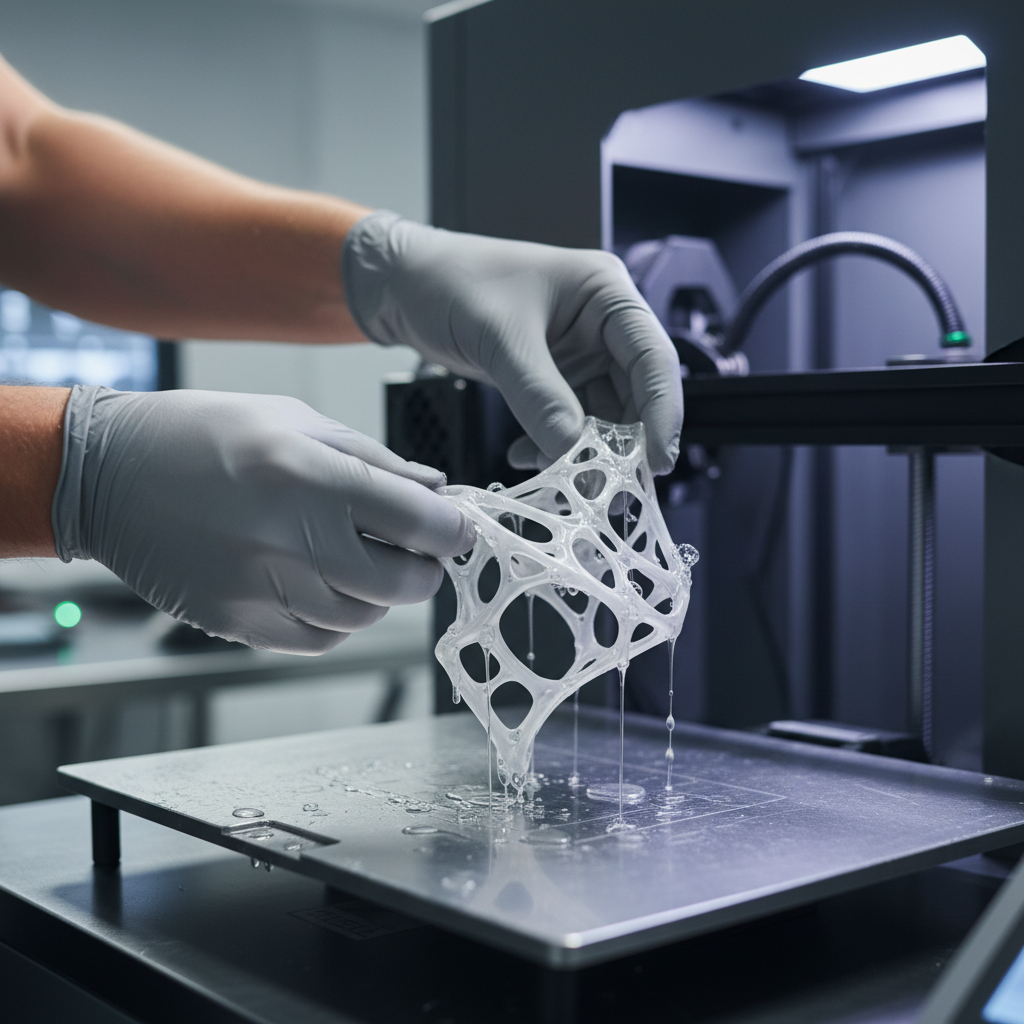
The SLS process begins with a digital 3D model, which is sliced into thin layers. A laser selectively fuses powdered material layer by layer to form the desired shape. The unsintered powder supports the part during printing, eliminating the need for additional support structures.
This layer-by-layer approach allows for the creation of highly detailed and complex parts. After printing, the parts are cooled and then cleaned of excess powder, which can often be reused for future prints, reducing material waste.
Advantages of SLS 3D Printing
SLS offers several advantages that make it an attractive option for engineers:
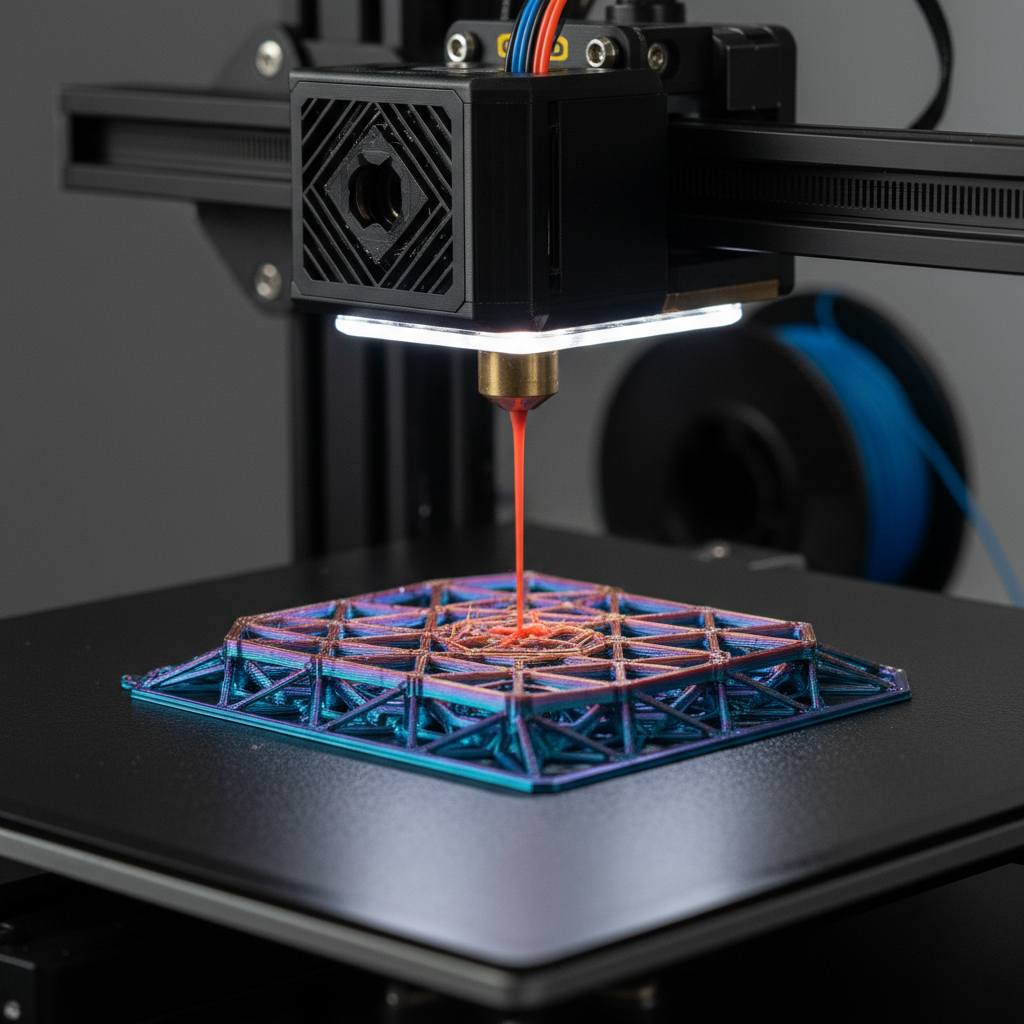
- Complex Geometries: The technology can produce intricate designs that are difficult or impossible to achieve with traditional manufacturing methods.
- Material Efficiency: Unused powder can be recycled, minimizing waste.
- No Support Structures: The surrounding powder acts as a support, allowing for more freedom in design.
Materials Used in SLS
SLS is compatible with a variety of materials, each offering unique properties:
- Nylon: Known for its strength, flexibility, and durability, making it ideal for functional prototypes.
- Polyamide: Offers excellent detail and surface finish, suitable for aesthetic and functional parts.
- Metals: Metal SLS, also known as Direct Metal Laser Sintering (DMLS), is used for creating strong, complex metal parts.
Applications of SLS in Engineering
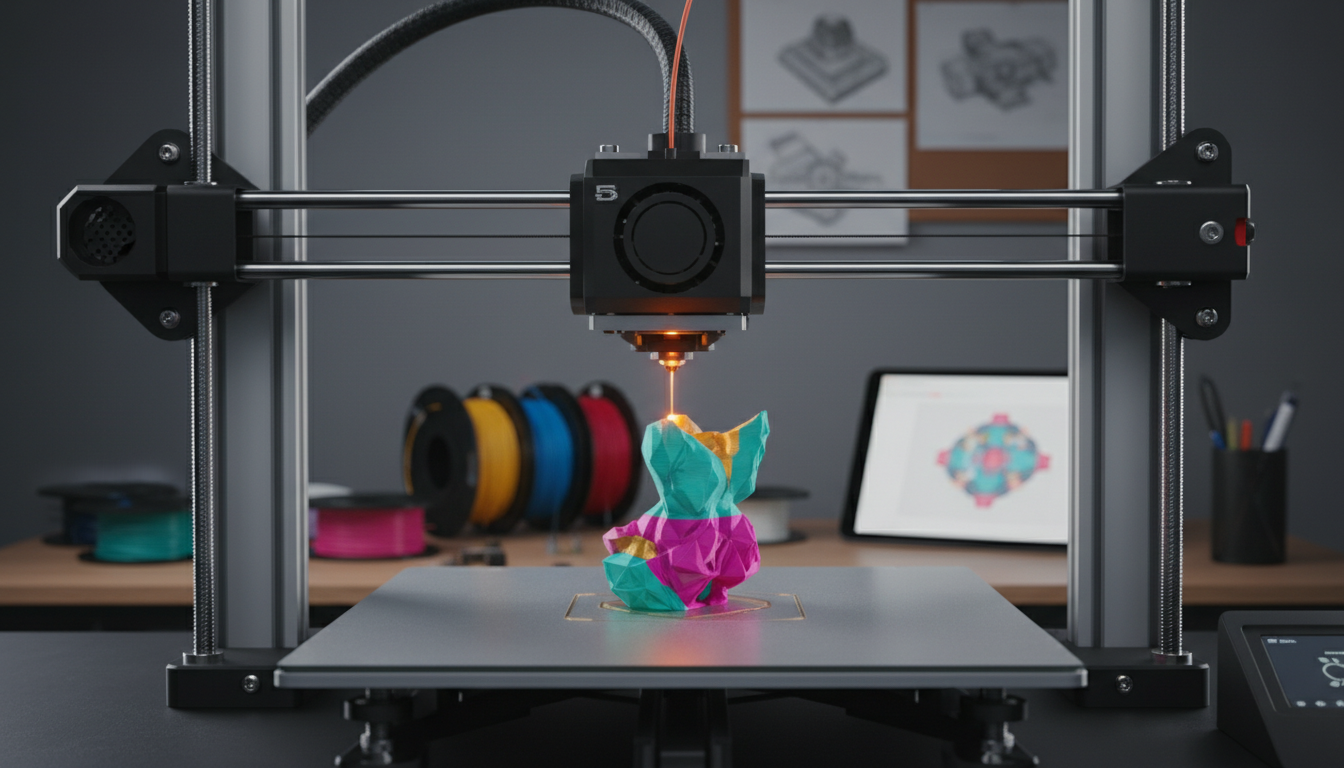
SLS 3D printing is employed across various engineering fields due to its flexibility and precision. Common applications include:
- Automotive: Producing lightweight, durable components and complex prototypes.
- Aerospace: Creating intricate parts that must withstand high temperatures and stresses.
- Medical Devices: Manufacturing custom implants and prosthetics tailored to individual patients.
By leveraging SLS technology, engineers can innovate and iterate rapidly, reducing time to market and enhancing product performance.
Conclusion
Understanding SLS 3D printing is crucial for engineers looking to leverage advanced manufacturing techniques. Its ability to produce complex, high-quality parts with minimal waste makes it a valuable tool in modern engineering. As technology continues to evolve, SLS will undoubtedly play a significant role in shaping the future of manufacturing.