
Understanding the Strength of SLS PA12 for Functional Parts
Introduction to SLS PA12
Selective Laser Sintering (SLS) is a popular additive manufacturing technique known for its ability to produce highly detailed and durable parts. Among the various materials used in SLS, PA12, or Polyamide 12, stands out due to its exceptional strength and versatility. This blog post delves into the qualities of SLS PA12, explaining why it is a preferred choice for creating functional parts.

What Makes SLS PA12 Strong?
PA12's strength lies in its unique molecular structure, which provides excellent mechanical properties. It boasts a high tensile strength and impact resistance, making it ideal for parts that need to withstand rigorous use. Additionally, PA12 is resistant to chemicals and environmental factors, which further enhances its durability.
One of the standout features of PA12 is its balance of strength and flexibility. This balance allows for the creation of parts that are not only robust but also capable of enduring bending and stress without breaking. This characteristic is particularly advantageous for applications where parts will experience dynamic loads.
Applications of SLS PA12
SLS PA12 is widely used across various industries due to its strength and reliability. In the automotive sector, it is used to produce functional prototypes and end-use parts that require precision and resilience. Similarly, in aerospace, PA12 components are valued for their lightweight nature and ability to endure high-stress conditions.
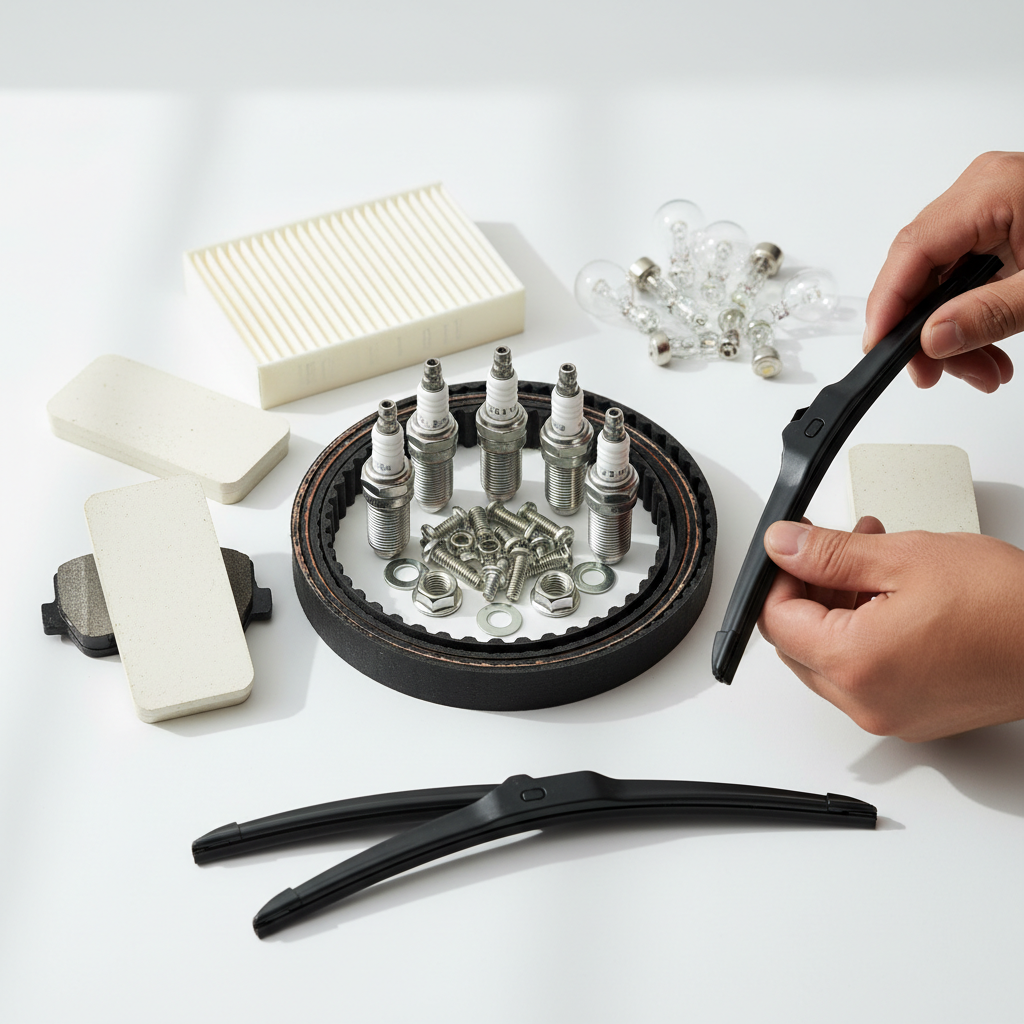
The medical field also benefits from PA12's properties. It is frequently employed in creating prosthetics and medical devices that require both strength and flexibility. The material's biocompatibility and ability to be sterilized make it suitable for such sensitive applications.
Benefits of Using SLS PA12
Choosing SLS PA12 for manufacturing offers numerous advantages. Here are some key benefits:
- Design Freedom: The SLS process allows for complex geometries that would be challenging to achieve with traditional methods.
- Cost-Effectiveness: Reducing material waste and minimizing post-processing can lead to significant cost savings.
- Speed: SLS PA12 enables rapid prototyping and production, accelerating the time-to-market for new products.

Comparing SLS PA12 with Other Materials
When compared to other materials used in additive manufacturing, SLS PA12 often comes out on top due to its unique combination of properties. While materials like ABS or PLA might offer ease of use and lower costs, they do not match PA12's strength and durability. For applications where performance is critical, PA12 is usually the superior choice.
Moreover, PA12's ability to maintain its properties under a wide range of temperatures and conditions makes it a more versatile solution. This adaptability is crucial for industries looking for materials that can perform in varied environments.
Conclusion
Understanding the strength of SLS PA12 is crucial for industries aiming to produce high-quality, functional parts. Its impressive mechanical properties, combined with the advantages of the SLS process, make PA12 a compelling choice for manufacturers. By leveraging the strengths of SLS PA12, businesses can create parts that meet rigorous quality and performance standards, ensuring success across a range of applications.