
Expert Insights: Overcoming Challenges in SLS 3D Printing for Engineers
Understanding SLS 3D Printing
Selective Laser Sintering (SLS) is a powerful additive manufacturing technology that offers engineers the ability to create complex geometries with high precision. However, it comes with its own set of challenges. Engineers must navigate these hurdles to fully harness the potential of SLS 3D printing.

Material Challenges
One of the primary challenges in SLS 3D printing is material selection. Unlike other 3D printing methods, SLS offers a variety of materials, each with distinct properties. Engineers must carefully evaluate these materials to ensure they meet the specific requirements of their projects. This involves understanding the mechanical properties, thermal stability, and even the aesthetic quality of each material.
Moreover, the availability of materials can be a limiting factor. While the market is expanding, not all materials are readily accessible, which can hinder project timelines. Engineers need to stay updated on the latest material developments to mitigate this issue.

Design Considerations
Designing for SLS 3D printing requires a different approach compared to traditional manufacturing methods. Engineers must consider factors such as support structures, orientation, and part density. These elements can significantly impact the final product's strength and accuracy.
Additionally, understanding the limitations of SLS, such as the minimum feature size and layer thickness, is crucial. Engineers need to balance innovation with practicality to ensure designs are both manufacturable and functional.

Post-Processing Techniques
Another significant challenge is post-processing. After printing, SLS parts often require additional finishing to achieve the desired surface quality and mechanical properties. This might include sanding, dyeing, or coating, each adding time and complexity to the process.
Engineers must plan for these post-processing steps early in the design phase to avoid unexpected delays. Collaborating with specialists in post-processing can also provide valuable insights and improve outcomes.
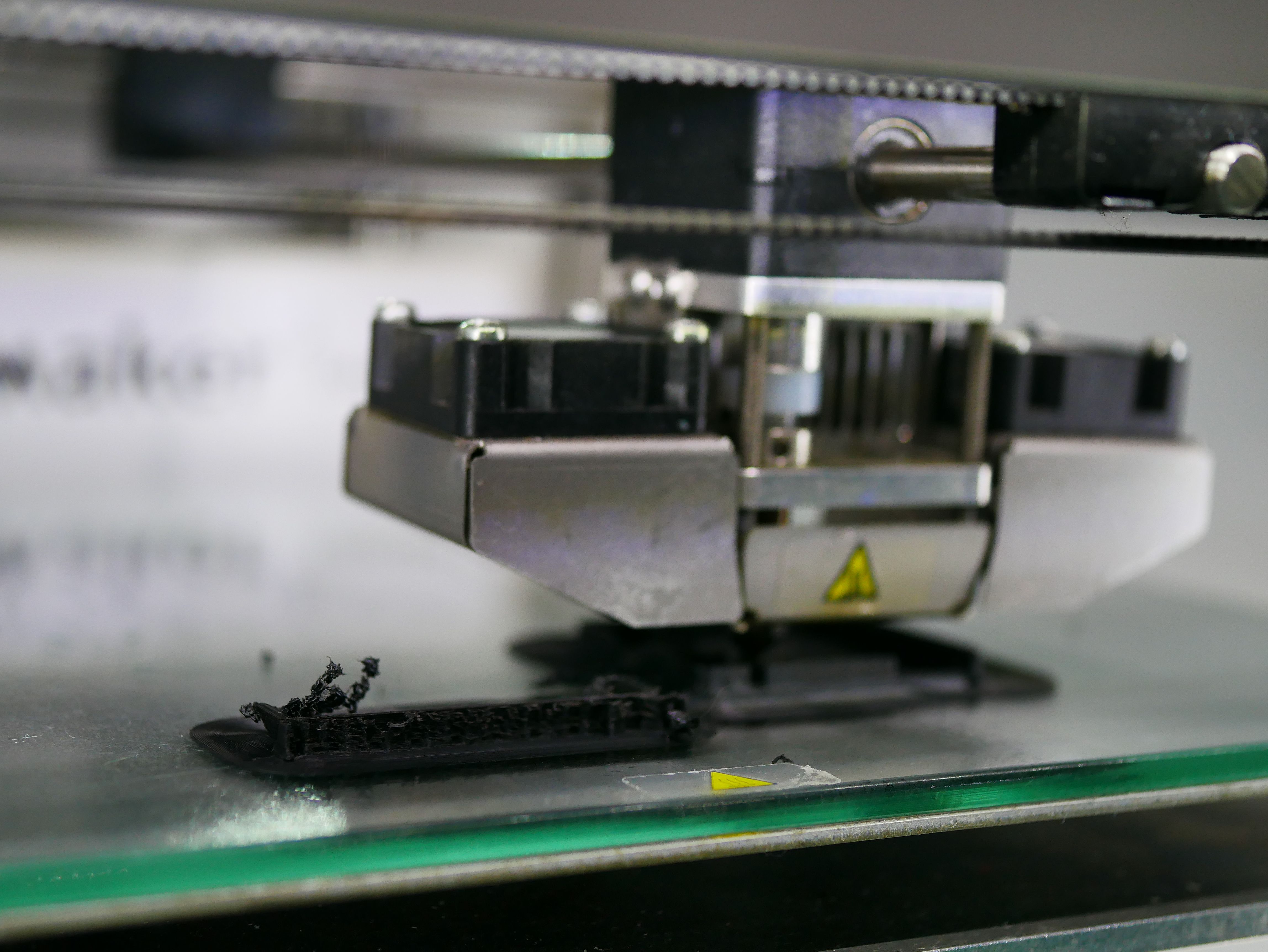
Ensuring Quality Control
Quality control is paramount in SLS 3D printing. Engineers must implement rigorous testing and inspection processes to ensure that each part meets the necessary standards. This often involves using advanced scanning and measurement technologies to detect any defects or inconsistencies.
Developing a robust quality control protocol can help in identifying issues early, reducing waste, and improving overall efficiency. Continuous monitoring and improvement of these processes are essential for maintaining high-quality outputs.

Conclusion
Overcoming the challenges in SLS 3D printing requires a comprehensive understanding of the technology and its intricacies. By focusing on material selection, design considerations, post-processing, and quality control, engineers can unlock the full potential of SLS and drive innovation in their fields. Staying informed and adaptable is key to succeeding in this dynamic and evolving landscape.