
How Seasonal Changes Affect 3D Printing in Illinois
Introduction to 3D Printing in Illinois
3D printing has revolutionized manufacturing and design, offering new possibilities in various industries. As with any technology, environmental factors can significantly impact its efficiency and output. In Illinois, the changing seasons present unique challenges and opportunities for 3D printing enthusiasts and professionals alike.
Temperature Variations and Their Impact
The fluctuating temperatures in Illinois throughout the year can affect the quality of 3D printed materials. During colder months, the ambient temperature can cause some materials to become brittle, leading to warping or cracking. To combat this, many users opt for heated print beds or enclosures to maintain consistent conditions.
Conversely, the hot and humid summer months pose a different set of challenges. Materials like PLA and ABS can become too pliable, impacting structural integrity. Proper ventilation and climate control in printing environments are crucial to ensure optimal results.
Humidity and Material Storage
Humidity levels, which vary significantly with the seasons, also play a critical role in 3D printing. High humidity can lead to moisture absorption by filaments, particularly those made from hygroscopic materials like nylon and PVA. This can result in poor print quality and nozzle blockages.
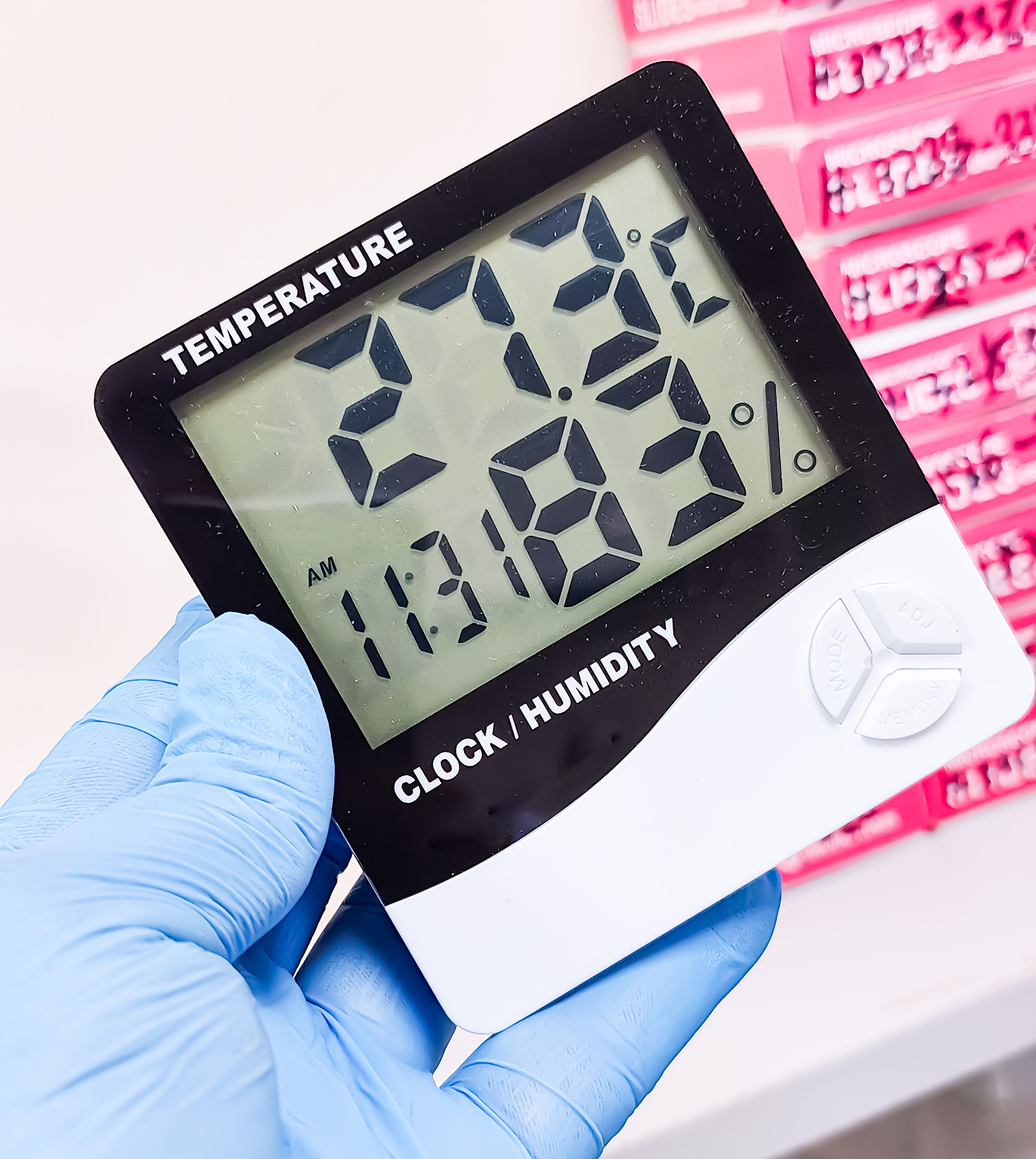
To mitigate these issues, storing materials in airtight containers with desiccants is recommended. Additionally, pre-drying filaments using a filament dryer can help maintain their quality.
Electrical Considerations
Illinois is known for its severe weather, including thunderstorms in the summer and snowstorms in the winter. These conditions can lead to power outages or fluctuations that may disrupt the 3D printing process. Investing in an uninterruptible power supply (UPS) can protect your equipment and ensure that prints are not lost during unexpected power cuts.
Seasonal Maintenance Tips
Regular maintenance of 3D printers is essential to ensure they operate optimally throughout the year. Here are some tips:
- Clean and lubricate: Regularly clean and lubricate moving parts to prevent wear and tear.
- Calibrate frequently: Seasonal temperature changes can affect the calibration of your printer. Regular checks will help maintain accuracy.
- Inspect wiring: Check for any damage caused by temperature fluctuations, which can cause materials to expand and contract.
Conclusion
Understanding how seasonal changes affect 3D printing in Illinois is crucial for anyone involved in this innovative field. By taking the necessary precautions and adjusting to environmental conditions, you can ensure the quality and reliability of your prints year-round. Whether you are a hobbyist or a professional, these insights will help you navigate the challenges and make the most of 3D printing technology.