
How Strong is SLS PA12 for Functional Parts? An Engineer's Guide
Understanding SLS PA12
Selective Laser Sintering (SLS) is a popular 3D printing technology, widely used for creating durable and functional parts. Among the materials used in SLS, PA12, a type of polyamide, stands out for its exceptional properties. This engineering-grade thermoplastic is known for its strength, making it suitable for various applications.
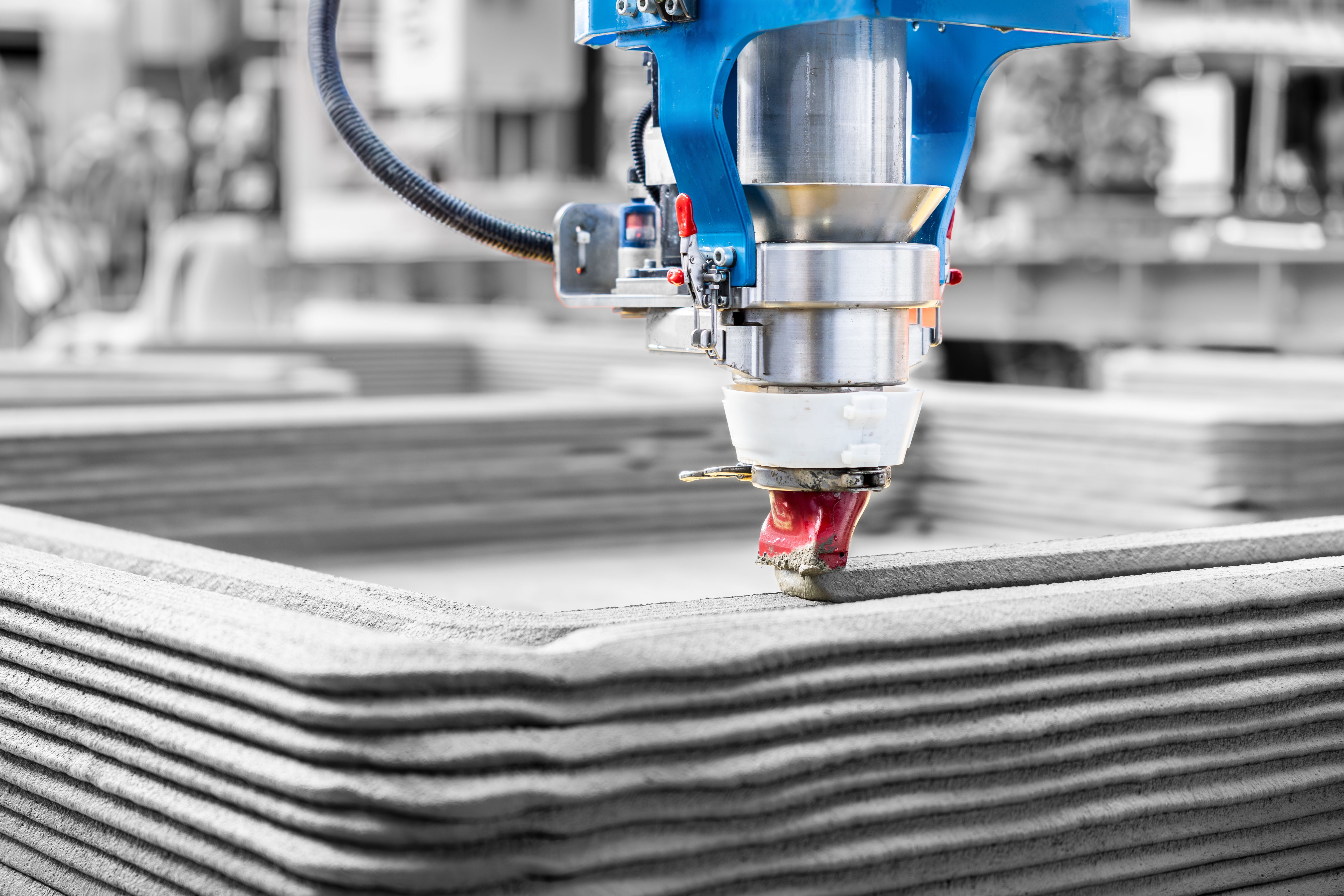
PA12 offers a unique combination of high impact resistance, flexibility, and chemical resistance. These characteristics make it an ideal choice for engineers looking to produce robust prototypes and end-use parts. But how strong is SLS PA12, really?
Mechanical Properties of PA12
The strength of SLS PA12 can be attributed to its excellent mechanical properties. It demonstrates a tensile strength of approximately 48 MPa and a tensile modulus of 1700 MPa. These values highlight its ability to withstand significant stress without deforming.
Moreover, PA12 exhibits a high elongation at break, typically around 20%. This flexibility allows it to absorb impacts without cracking, a critical factor for functional parts used in demanding environments.

Chemical and Thermal Resistance
In addition to its mechanical strength, SLS PA12 is renowned for its chemical resistance. It can withstand exposure to fuels, oils, and various chemicals, making it suitable for automotive and industrial applications. Furthermore, PA12 retains its properties over a wide temperature range, from -40°C to 120°C, ensuring performance in both hot and cold conditions.
Applications of SLS PA12
The strength and versatility of SLS PA12 make it applicable across numerous industries. It's commonly used in the production of functional prototypes, jigs, fixtures, and even final production parts. Its lightweight nature, combined with durability, makes it ideal for aerospace components, where weight reduction is crucial.

In the medical industry, PA12 is used for producing surgical guides and prosthetics. Its biocompatibility and sterilization capability ensure it meets the stringent requirements of medical applications.
Design Considerations
When designing parts with SLS PA12, it's important to consider factors such as wall thickness and feature size. Ensuring that the design aligns with the material's properties will maximize its strength and functionality.
Engineers should also account for the natural grainy surface finish typical of SLS parts, which may require post-processing for certain applications.
Conclusion
SLS PA12 is a robust and versatile material, suitable for a wide range of functional applications. Its combination of mechanical strength, chemical resistance, and thermal stability makes it a reliable choice for engineers.

By understanding the material's properties and capabilities, designers can effectively utilize SLS PA12 to create durable and high-performing parts that meet specific industry requirements. Whether for prototypes or end-use products, PA12 offers a powerful solution in the realm of 3D printing.