
Innovative Trends in 3D Printing: What Engineers Need to Know
Introduction to 3D Printing Trends
3D printing has rapidly evolved from a niche technology to a mainstream engineering tool. With advances in materials, software, and hardware, engineers are finding new ways to harness its potential. This post explores the latest trends in 3D printing that every engineer should be aware of.
The flexibility of 3D printing allows for customization, rapid prototyping, and complex geometries that were previously impossible. Keeping up with these innovations is crucial for engineers looking to stay competitive in their fields.

Advanced Materials
One of the most significant trends in 3D printing is the development of advanced materials. Engineers now have access to a wider array of materials, including metals, ceramics, and composites, each offering unique properties.
These materials can enhance the durability, flexibility, and thermal resistance of printed parts. For instance, metal 3D printing is transforming industries like aerospace and automotive, allowing for lighter and more efficient components.

Biocompatible Materials
The emergence of biocompatible materials is revolutionizing the medical field. Engineers are now able to design implants and prosthetics that integrate seamlessly with the human body, reducing rejection rates and improving patient outcomes.
Improved Software and Design Tools
Software advancements are unlocking new possibilities in 3D printing design. Modern CAD tools are more sophisticated, enabling complex and optimized designs that maximize material efficiency and performance.
Generative design and AI-driven modeling are leading the way, allowing engineers to explore thousands of design iterations quickly. This results in innovative solutions that would be difficult to achieve manually.

Simulation and Testing
Simulation software has made it possible to predict how a design will perform under real-world conditions. Engineers can now test and refine their models before printing, saving time and resources.
Automation and Integration
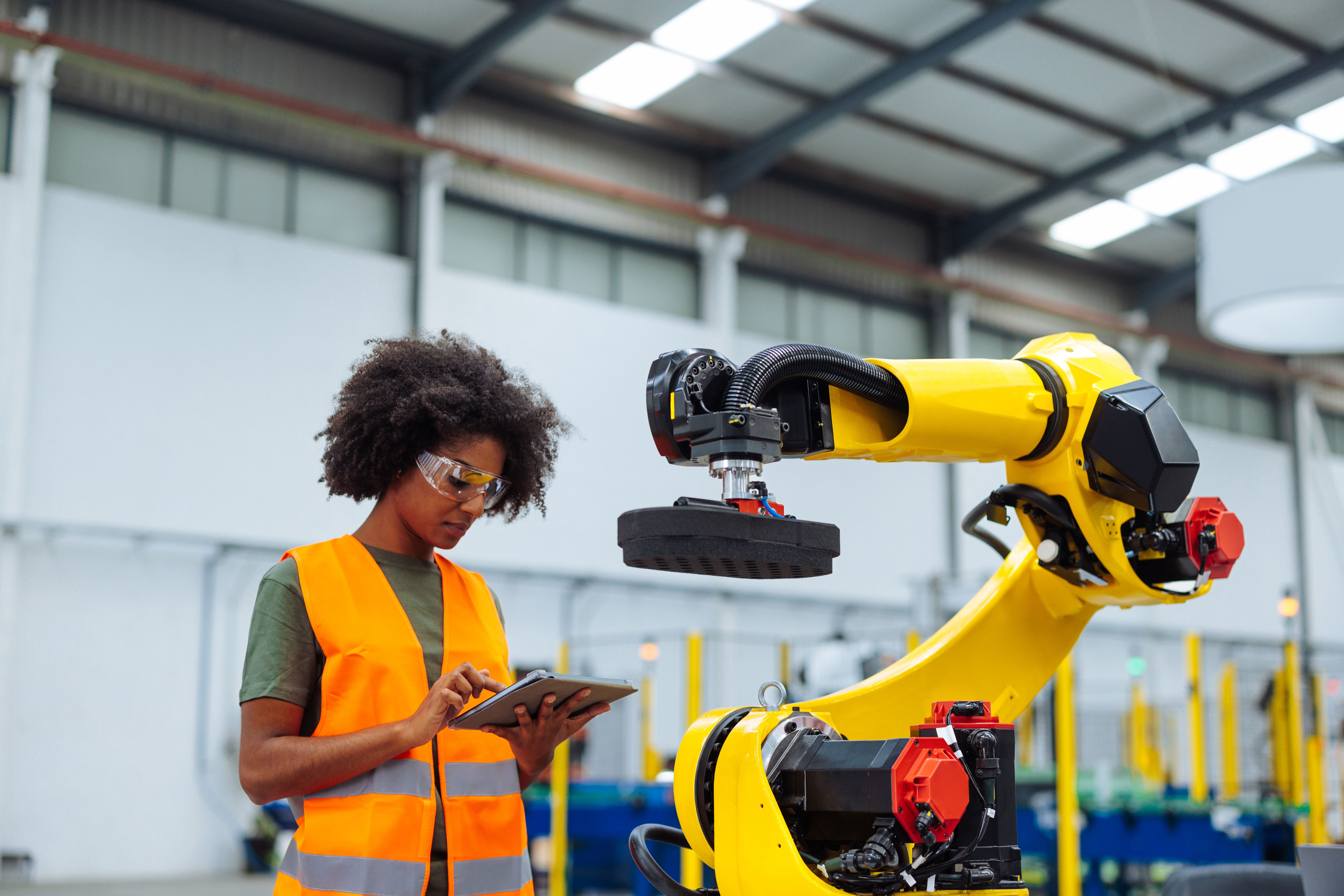
Automation is streamlining the 3D printing process, reducing the need for manual intervention. This trend is making large-scale manufacturing more feasible and cost-effective.
Integration with other manufacturing processes is also on the rise. Hybrid manufacturing, which combines 3D printing with traditional methods, is enabling engineers to produce complex parts more efficiently.
Scalability and Speed
The scalability and speed of 3D printing are improving, with new techniques such as continuous liquid interface production (CLIP) and multi-jet fusion leading the charge. These innovations are drastically cutting down production times.
Conclusion
3D printing is a dynamic and rapidly evolving field. By staying informed about the latest trends and technologies, engineers can leverage these advancements to drive innovation and efficiency in their projects.
As 3D printing continues to grow, its impact on various industries will only increase, offering exciting opportunities for engineers worldwide.