
PLA vs ABS: A Comprehensive Guide for Engineers
Introduction to PLA and ABS
In the world of 3D printing, the choice of material is crucial for engineers looking to create prototypes or final products. Two of the most popular materials are PLA and ABS. Understanding the differences between these two can help in making an informed decision for your projects.

What is PLA?
PLA, or Polylactic Acid, is a biodegradable thermoplastic derived from renewable resources like corn starch or sugarcane. It is favored for its eco-friendly properties and ease of use. Engineers often choose PLA for prototypes that don’t require high heat resistance.
Pros of Using PLA
- Biodegradable and environmentally friendly
- Easy to print with minimal warping
- Available in a wide range of colors
Cons of Using PLA
- Lower heat resistance compared to ABS
- Less durable for mechanical parts

What is ABS?
ABS, or Acrylonitrile Butadiene Styrene, is a petroleum-based thermoplastic known for its toughness and impact resistance. It is widely used in automotive and electronic applications due to its durability and strength.
Pros of Using ABS
- High impact resistance and toughness
- Better suited for high-temperature applications
- Can be post-processed with acetone for a smooth finish
Cons of Using ABS
- Non-biodegradable
- Requires higher printing temperatures
- Prone to warping without a heated bed
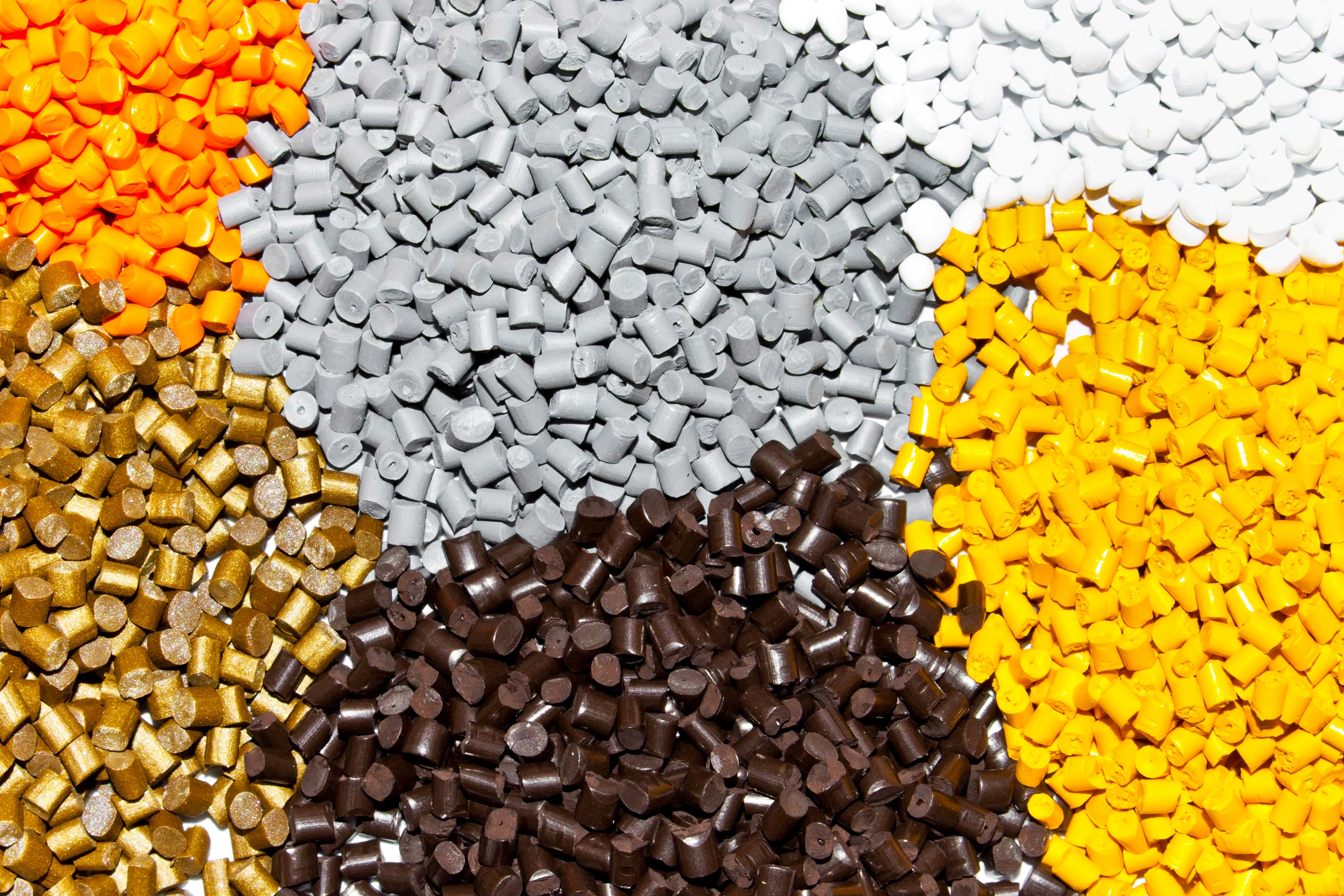
Comparing PLA and ABS
When deciding between PLA and ABS, consider the specific requirements of your project. PLA is ideal for projects where environmental impact is a concern, and ease of printing is a priority. ABS, on the other hand, is better suited for functional parts requiring higher strength and heat resistance.
Application Scenarios
For engineers working on prototypes that need to be produced quickly and with minimal hassle, PLA might be the best choice. However, for parts that need to endure stress and heat, ABS is more appropriate.

Conclusion
Both PLA and ABS have their place in the engineering and 3D printing world. By understanding their distinct properties and use cases, engineers can make the right choice for their specific needs, ensuring both efficiency and effectiveness in their projects.