Using FDM 3D Printing for Short-Run Manufacturing: An Expert's Guide
In recent years, Fused Deposition Modeling (FDM) 3D printing has emerged as a powerful tool for short-run manufacturing. It offers a cost-effective and flexible way to produce small batches of parts and prototypes, making it an attractive option for businesses looking to minimize production costs while maintaining quality.
Understanding FDM 3D Printing
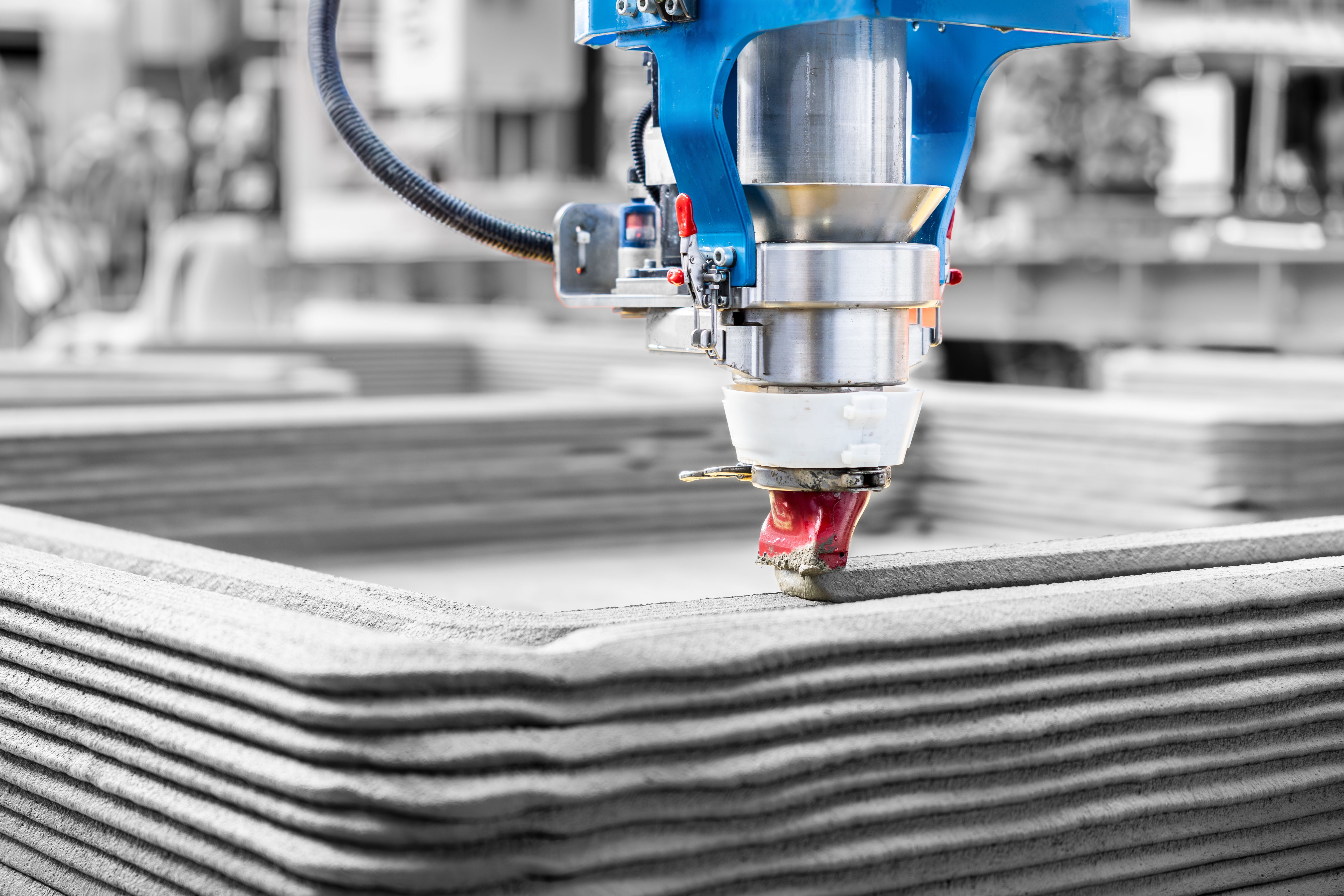
FDM 3D printing is a type of additive manufacturing that uses thermoplastic materials to create objects layer by layer. It is known for its affordability and ease of use, which makes it ideal for both hobbyists and industrial applications. Moreover, FDM printers are widely available, with a range of options to suit different production needs.
The process begins with a digital model, usually in the form of a CAD file. The printer then heats and extrudes the thermoplastic material, building the object from the bottom up. This method allows for significant customization and rapid prototyping without the need for expensive molds or tooling.
Advantages of FDM for Short-Run Manufacturing
One of the primary benefits of FDM 3D printing for short-run manufacturing is its cost-effectiveness. Traditional manufacturing methods often require high initial costs, which can be prohibitive for small-scale production. In contrast, FDM reduces these costs by eliminating the need for molds and minimizing material waste.
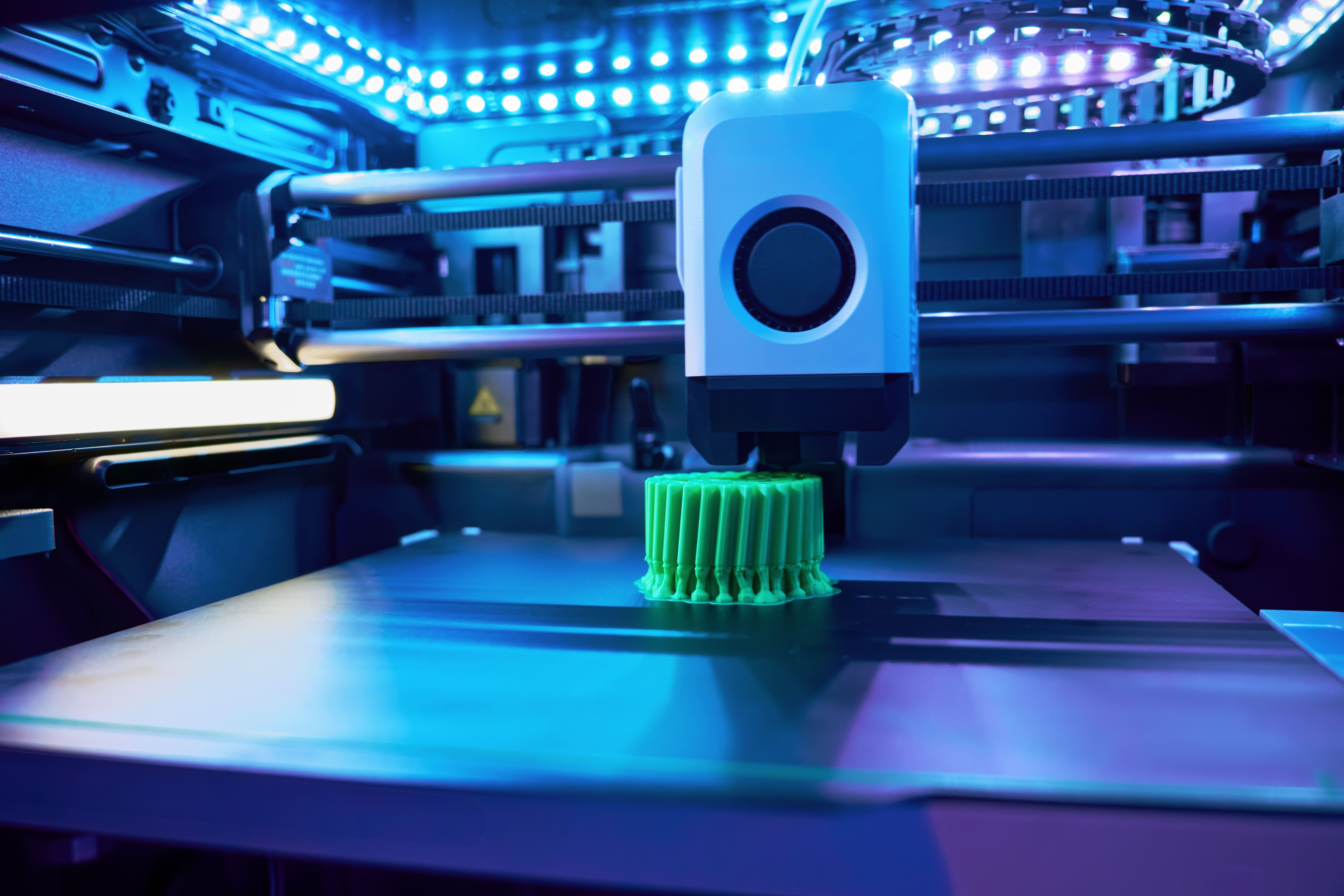
Another advantage is the speed and flexibility it offers. With FDM, design changes can be made quickly and easily, allowing manufacturers to adapt to market demands and customer feedback. This agility is particularly beneficial in industries where innovation and rapid iteration are key to success.
Choosing the Right Materials
Material selection is crucial in FDM 3D printing, as it directly impacts the durability and functionality of the final product. Common materials include PLA, ABS, and PETG, each with unique properties suited to different applications. PLA is biodegradable and easy to print, making it ideal for prototypes, while ABS offers more strength and resistance to heat.
For more demanding applications, advanced materials such as carbon-fiber-reinforced filaments can be used to enhance strength and reduce weight. Understanding the specific requirements of your project will help in selecting the most appropriate material.

Design Considerations for FDM Printing
Designing for FDM 3D printing requires careful consideration of factors such as part orientation, support structures, and infill density. Proper orientation can minimize the need for supports, reducing material usage and print time. Additionally, optimizing infill density helps balance strength and material consumption.
It's also important to consider the limitations of FDM, such as layer adhesion and surface finish. While post-processing techniques can improve appearance, understanding these constraints will aid in designing more effective parts.
Applications and Industries
FDM 3D printing is versatile and finds use across various industries. In aerospace, it is used for producing lightweight components, while in healthcare, it aids in creating custom prosthetics and medical devices. The automotive industry benefits from rapid prototyping and the production of complex geometries that would be challenging with traditional methods.
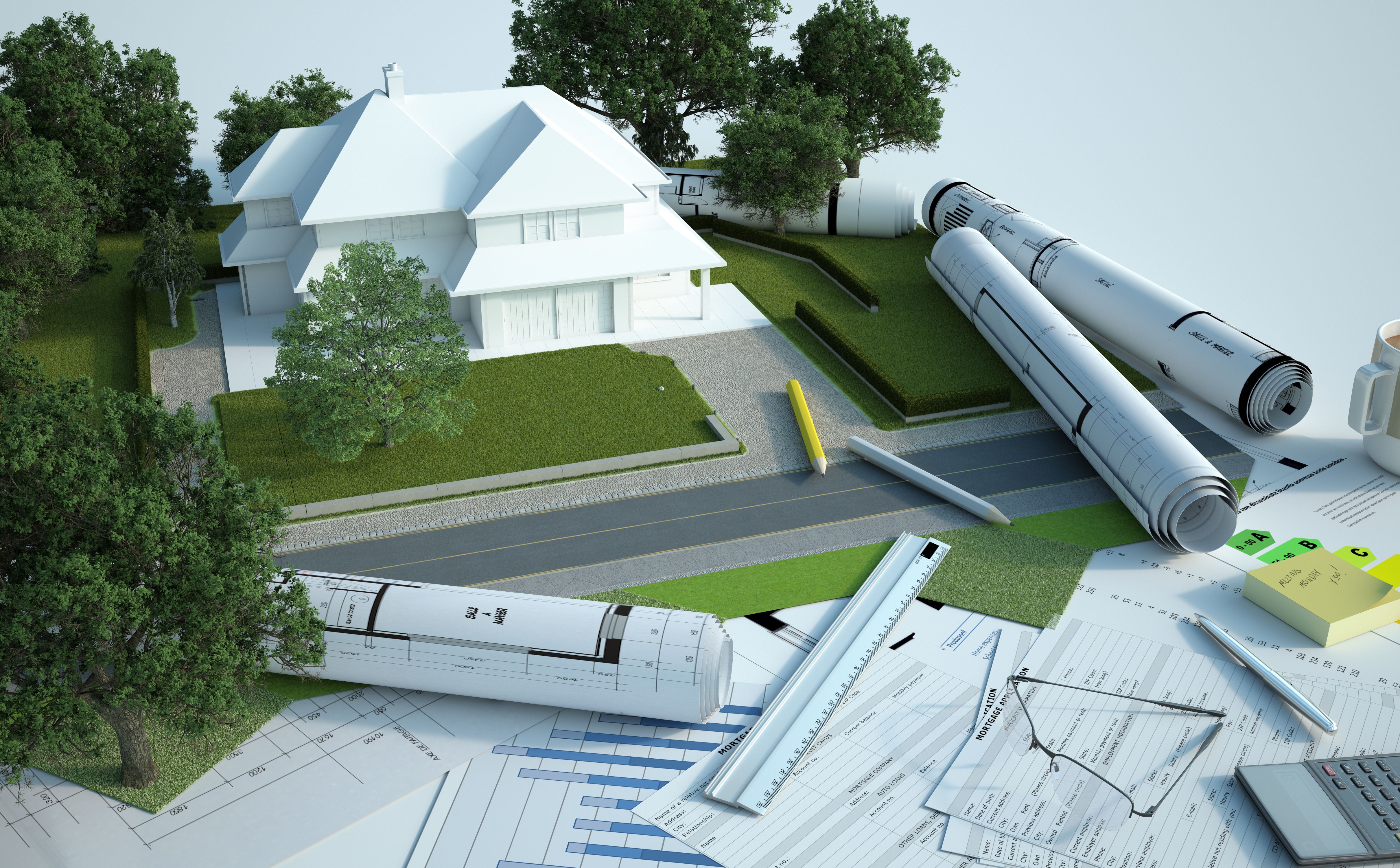
Consumer products, fashion, and architecture are other sectors where FDM 3D printing is making a significant impact, offering endless possibilities for customization and innovation.
Challenges and Considerations
While FDM 3D printing offers numerous advantages, it is not without challenges. Warping, poor surface finish, and limited material strength are common issues that manufacturers must address. Fortunately, advancements in technology and materials are continually improving these aspects, making FDM an increasingly viable option for short-run manufacturing.
Careful planning and understanding of the technology can help mitigate these challenges, ensuring successful implementation in your manufacturing process.